
Lasers replacing LED? This disruptive technology could rewrite agricultural lighting
In artificial light-type plant factories, balancing the photosynthetic efficiency required for plant growth with the visual comfort of artificial lighting has always been a core challenge in the field of agricultural lighting. Traditional LED light sources suffer from efficiency degradation, while laser-driven lighting can achieve high power density.
In May 2025, a research team from the University of Tokyo and Stanley Electric published a breakthrough study in Frontiers in Plant Science, showing that: Laser Diodes (Laser Diode, LD) are significantly superior to traditional Light-emitting diodes (LED) in promoting plant photosynthesis and growth.
The study found that laser diodes with a wavelength of 660nm increased the net photosynthetic rate of plants by 19.1% compared to LEDs with a peak of 664nm, and stomatal conductance and water use efficiency were also significantly improved. This means that plants can absorb carbon dioxide more efficiently and synthesize organic matter.
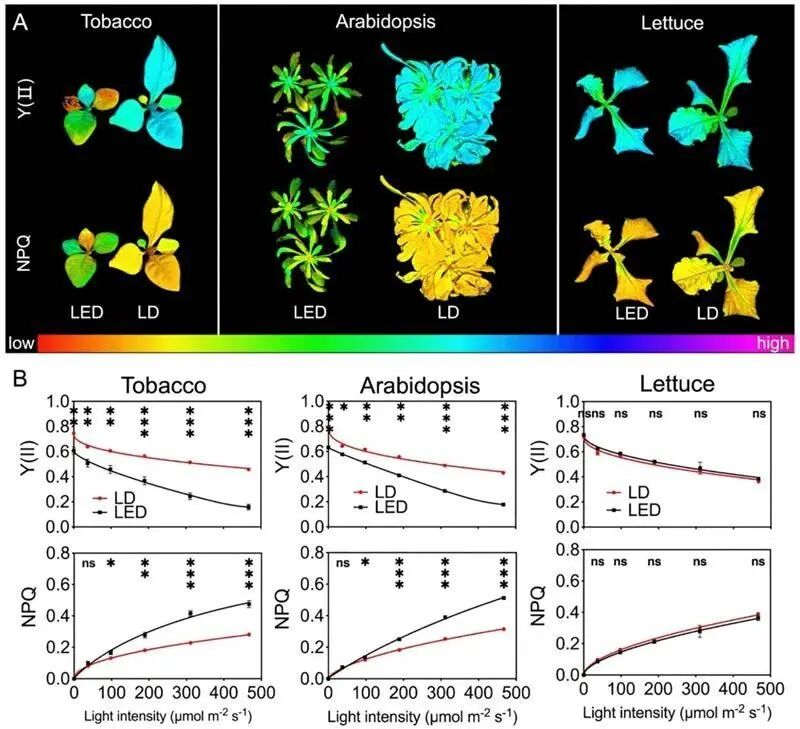
Laser Plant Growth Regulation Light Technology
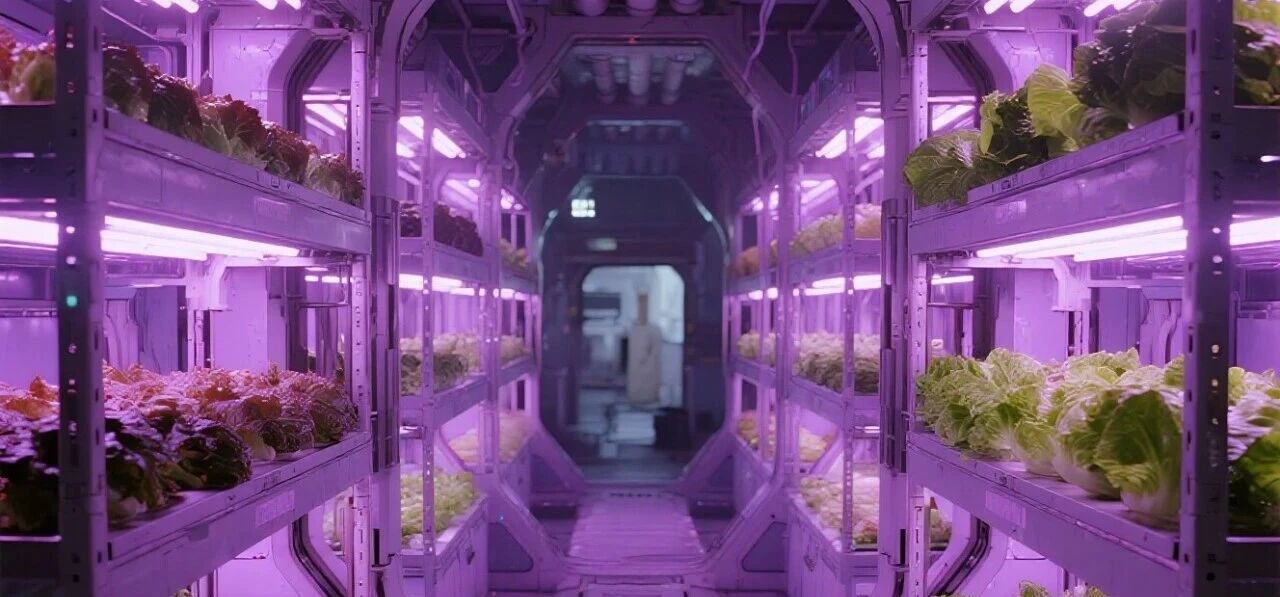
The laser plant growth regulation light developed by Zhejiang Changxin Optoelectronics Technology Co., Ltd. is a plant growth regulation technology that uses semiconductor lasers as the light source.
This technology uses red light (660nm) and blue light (450nm) semiconductor lasers to supplement light energy for cash crops in facility agriculture. By changing the power ratio of red/blue light, it regulates the light environment in greenhouses, achieving precise light supplementation for cash crops of different types and at different growth stages.
The technical features of this product are the use of laser beam shaping technology to optimize the elliptical light spot of semiconductor lasers into a rectangular light spot, increasing the coverage area and uniformity of light supplementation of the laser lamp, effectively improving the utilization rate of light energy.
Practical Performance: The Advantages of Laser Lighting Fully Demonstrated
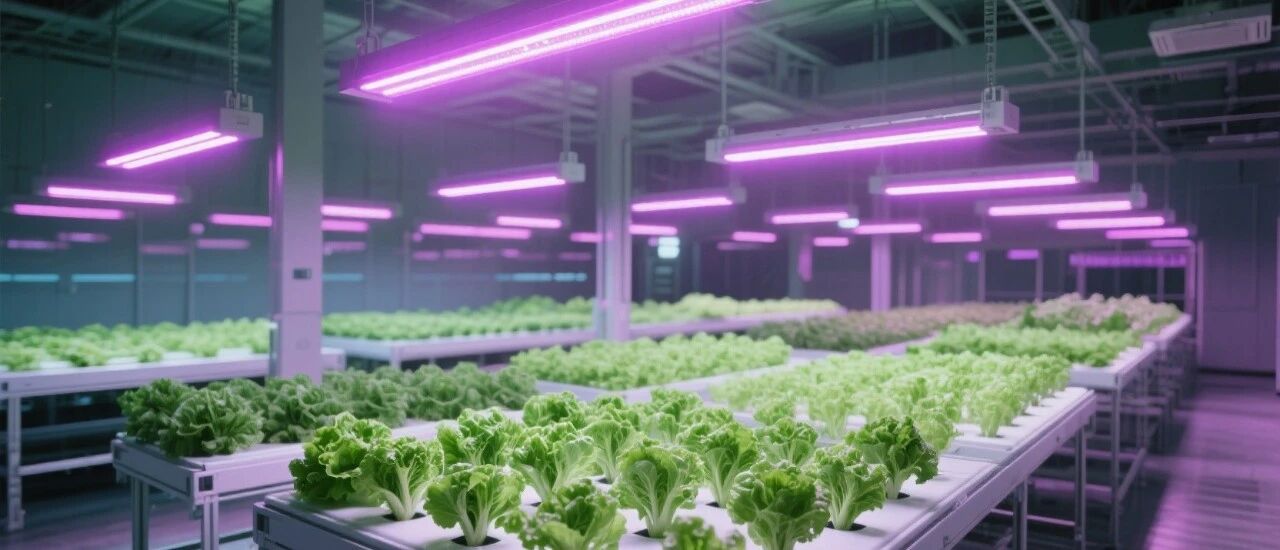
Laser plant growth regulation lamps demonstrate significant advantages in practical applications. Compared to mainstream plant supplemental lighting technologies such as LED or high-pressure sodium lamps, laser technology requires only one percent of the photosynthetic photon flux density of LED to achieve the same supplemental lighting effect.
The laser plant growth regulation lamp pilot demonstration project, a collaboration between Suken Nongfa Xinyang Branch and Jilin Agricultural University, has been put into application in 2025. Zhang Zhongning, captain of the 19th Brigade, introduced: "This lamp creates a highly suitable light environment for seedlings, acting like pressing an 'accelerator button', which not only significantly improves photosynthetic efficiency but also accelerates nutrient absorption and accumulation."
The energy saving performance of laser plant growth regulation lamps is equally outstanding. Professor Yang Minglai from Jilin Agricultural University stated: "Under the same light intensity, the energy consumption of laser lamps is only 40% of that of traditional equipment, with a longer service life and lower maintenance costs."
Laser vs LED: Technical Comparison and Development Prospects
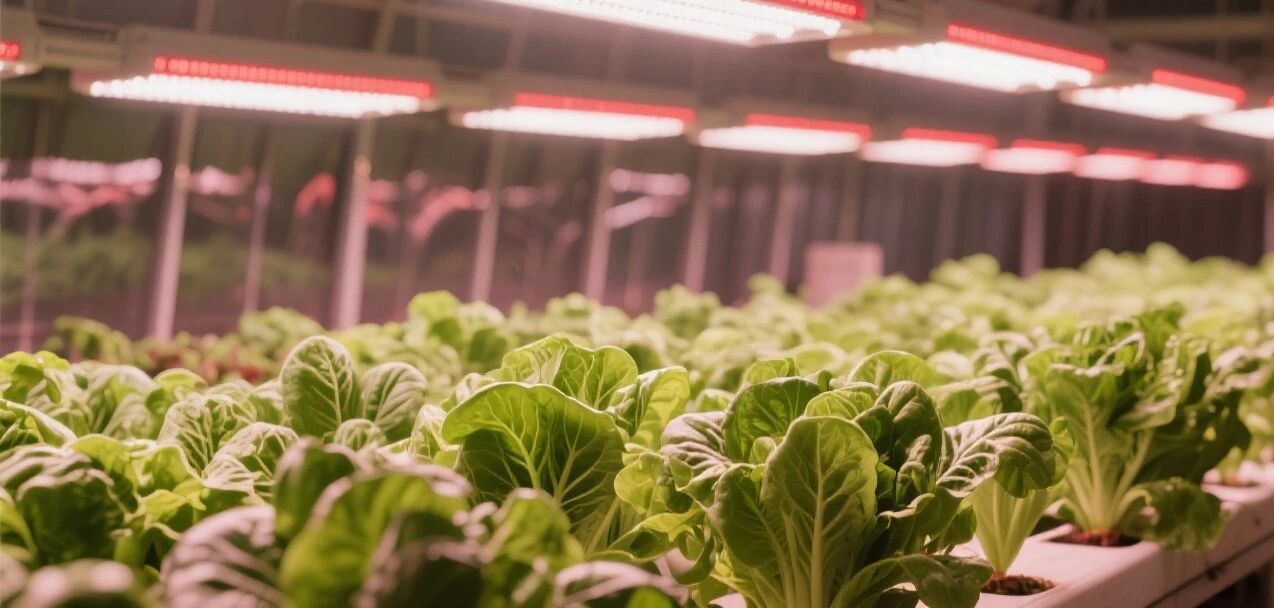
Although laser technology shows great potential, LED technology is also continuously advancing. Jinko Electronics showcased its high-performance LED technology at the 2025 GreenTech exhibition, including high-power 3535 deep red LED and high-power 3535 white LED.
The advantages of LED technology lie in its low heat generation, long lifespan, and low energy consumption, which can effectively promote crop yield increases and bring products to market earlier. However, laser technology currently has higher costs and certain usage limitations.
However, laser technology offers significant advantages in precision and energy efficiency. A research team supported by the Natural Science Foundation of Fujian Province achieved a synergistic improvement in PLER (up to 683 plm/W) and CRI (>90) by combining blue laser diodes with YAG:Ce3+ phosphor glass materials.
The Future Path of Agricultural Lighting

With the global population expected to exceed 9.7 billion by 2050, and 70% of people living in cities, traditional agriculture faces challenges such as reduced arable land and extreme climate conditions. Indoor horticulture, with advantages like freedom from geographical constraints and controlled environments, has become a key direction for solving food security issues.
Laser lighting technology not only performs excellently in plant factories and applications but also shows application potential in extreme environments such as space cultivation. Combined with fiber-optic distributed lighting, LD can achieve "layered precise supplemental lighting" to meet the spectrum requirements of different plants at various growth stages.
Laser lighting agricultural technology is moving out of the laboratory, illuminating the future of modern agriculture. In the future, laser lighting may complement LED to build more efficient composite spectrum systems. Research achievements from institutions such as the Chinese Academy of Sciences are paving new paths for modern agricultural lighting.
The above article is sourced from Agricultural Lighting Network, authored by Agricultural Lighting Network.
China Light
The official website of the China Association of Lighting Industry and a full-media platform for the lighting sector. We provide authoritative and timely lighting information while striving to be a growth partner for businesses. From brand promotion and channel expansion to consulting, talent training and participation in standards development, we provide comprehensive professional services to help businesses improve quality and efficiency and jointly advance the high-quality development of the lighting industry.
Business Contacts
仇纯 (Ms.): 158 6155 3579
顾君 (Mr.): 137 7157 5253