
Say goodbye to "missed inspections, eye injuries, and short lifespans". Excimer UV light sources + National standards (mandatory / recommended) reshape the disinfection market!
Since humans first discovered the bactericidal properties of ultraviolet light in 1878, this technology has evolved over nearly one and a half centuries. In the 1940s, the advent of low-pressure mercury lamps enabled the first large-scale application of UV disinfection technology; entering the 21st century, with breakthroughs in LED technology, UV disinfection devices began moving from professional medical fields to ordinary households. Especially after the global outbreak of the pandemic in 2020, UV disinfection products experienced explosive growth. Industry data shows that in recent years, the scale of China's UV disinfection equipment market has continued to expand, with an annual growth rate remaining at a high level.
However, behind the rapid development of the industry, negative news such as "hospital disinfection lamps injuring patients' eyes", "home UV products having less than 30% sterilization rate", and "industrial-grade equipment lasting only three months" are frequently seen. The UV disinfection market appears prosperous, but hidden behind it are chaos such as "missed inspections, eye injuries, and short lifespans". Consumers and industry practitioners cannot help but ask: When will this chaos end?
01
Chaos in the market: The "hidden disease" of the UV sector
"Ineffective disinfection" is rampant
To maximize profits, some manufacturers use inferior raw materials and simplified production processes, resulting in UV disinfection products that seriously fail to meet performance standards. These products commonly suffer from technical defects such as wavelength shift and unstable radiation intensity. There is a significant gap between their actual sterilization effect and claimed performance, severely impacting usage effectiveness and user experience.
"Human-machine coexistence" safety hazards
Although some UV disinfection products on the current market claim to have "human-machine coexistence" functionality, they pose significant safety hazards in actual use due to the lack of comprehensive photobiological safety protection measures. During operation, these products may emit excessive ultraviolet radiation; long-term exposure can lead to skin burns, corneal damage, and other health risks, posing potential harm to users, especially high-frequency contact groups such as medical staff.
"Short-lived" devices become a pain point in the industry
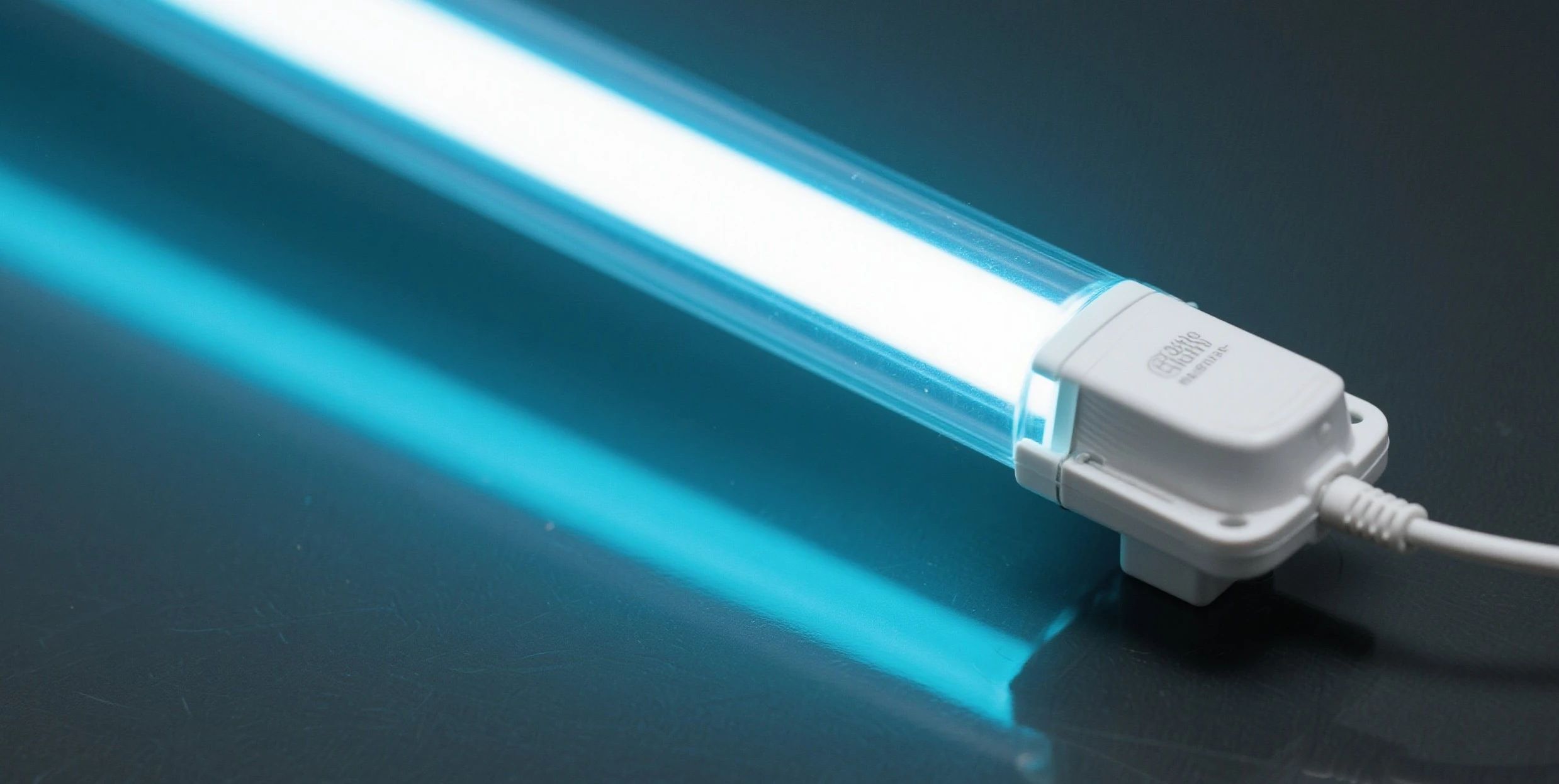
Some UV disinfection products, due to the use of inferior components and simplified production processes, have significantly shortened service lives. These products often show obvious lumen depreciation and performance degradation after only hundreds of hours of use, far falling short of the basic lifespan requirements for UV disinfection equipment in the industry. Frequent device replacement not only greatly increases usage costs, but their inferior circuit designs and material choices may also bring electrical safety hazards, posing potential risks to users.
02
Technological breakthrough: The rise of excimer UV light sources
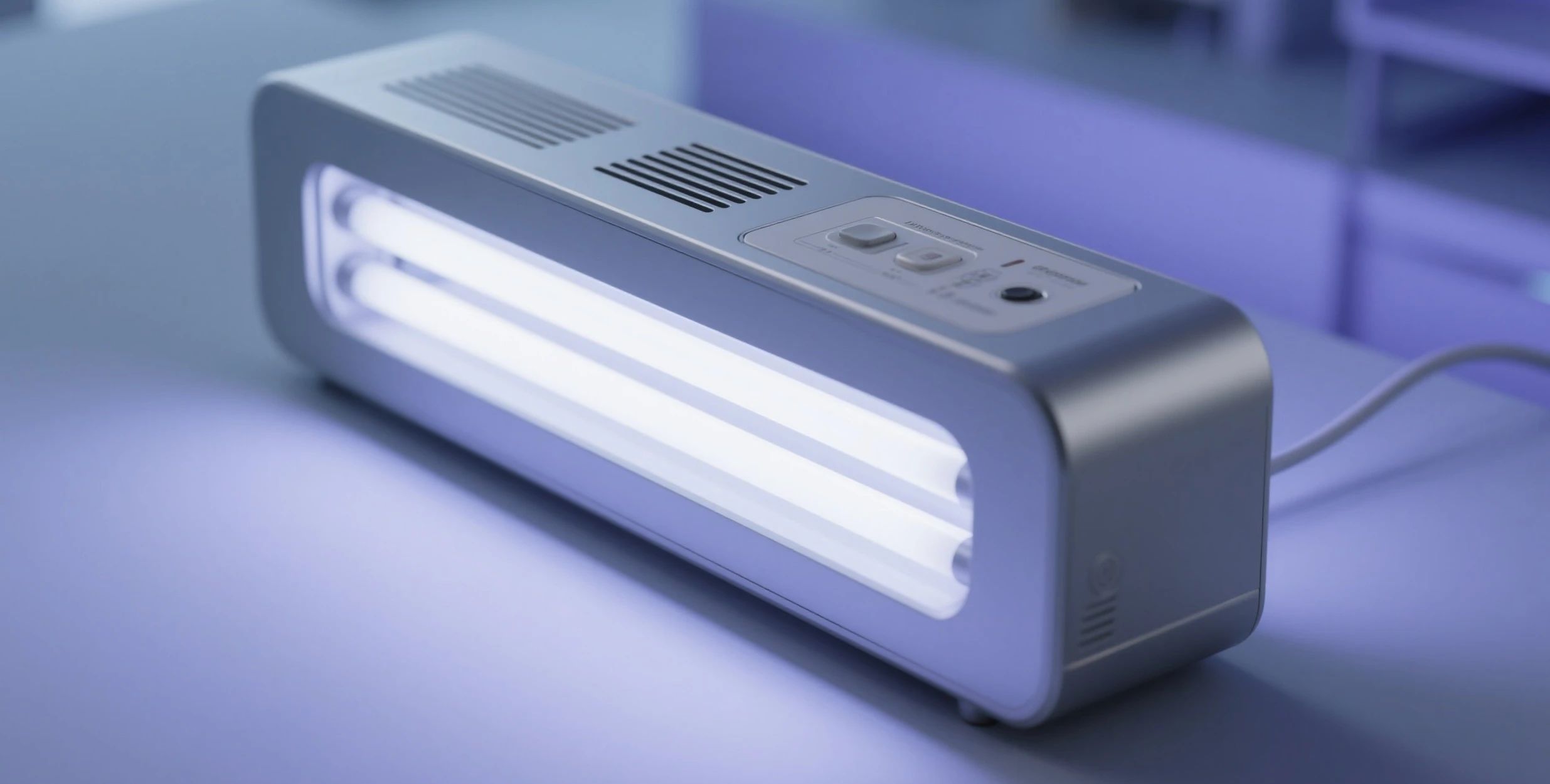
Compared with traditional UV lamps based on low-pressure mercury vapor discharge, excimer UV radiation sources, through dielectric barrier discharge (DBD) technology, excite specific gas molecules to form highly excited-state excimers that precisely emit UV light at specific wavelengths. They are widely used in disinfection, semiconductor manufacturing, material processing, UV curing , biomedicine, and other fields.
Precision Applications: Unique Functions of Excimer UV Radiation Sources Across Wavelengths
172nm Short-wave UV possesses extremely strong oxidizing capabilities, effectively decomposing organic matter. It is widely used in high-end manufacturing fields such as semiconductor wafer cleaning and surface treatment of precision optical components.
207nm This wavelength band, characterized by shallow penetration depth into biological tissue and minimal damage, has become the ideal choice for disinfecting minimally invasive surgical instruments and treating skin surface layers.
222nm Far-ultraviolet light can efficiently inactivate pathogens without penetrating the human stratum corneum, pioneering a new real-time disinfection model of "coexistence of humans and machines".
308nm Due to its special regulatory effect on immune cells, it is widely used in clinical phototherapy for autoimmune skin diseases such as psoriasis and vitiligo.
However, this new technology also faces the dilemma of "lack of standards"—product performance on the market varies widely, technical parameters lack unified specifications, severely constraining healthy industry development.
03
Path to Breakthrough: National Standards Launch with Impact
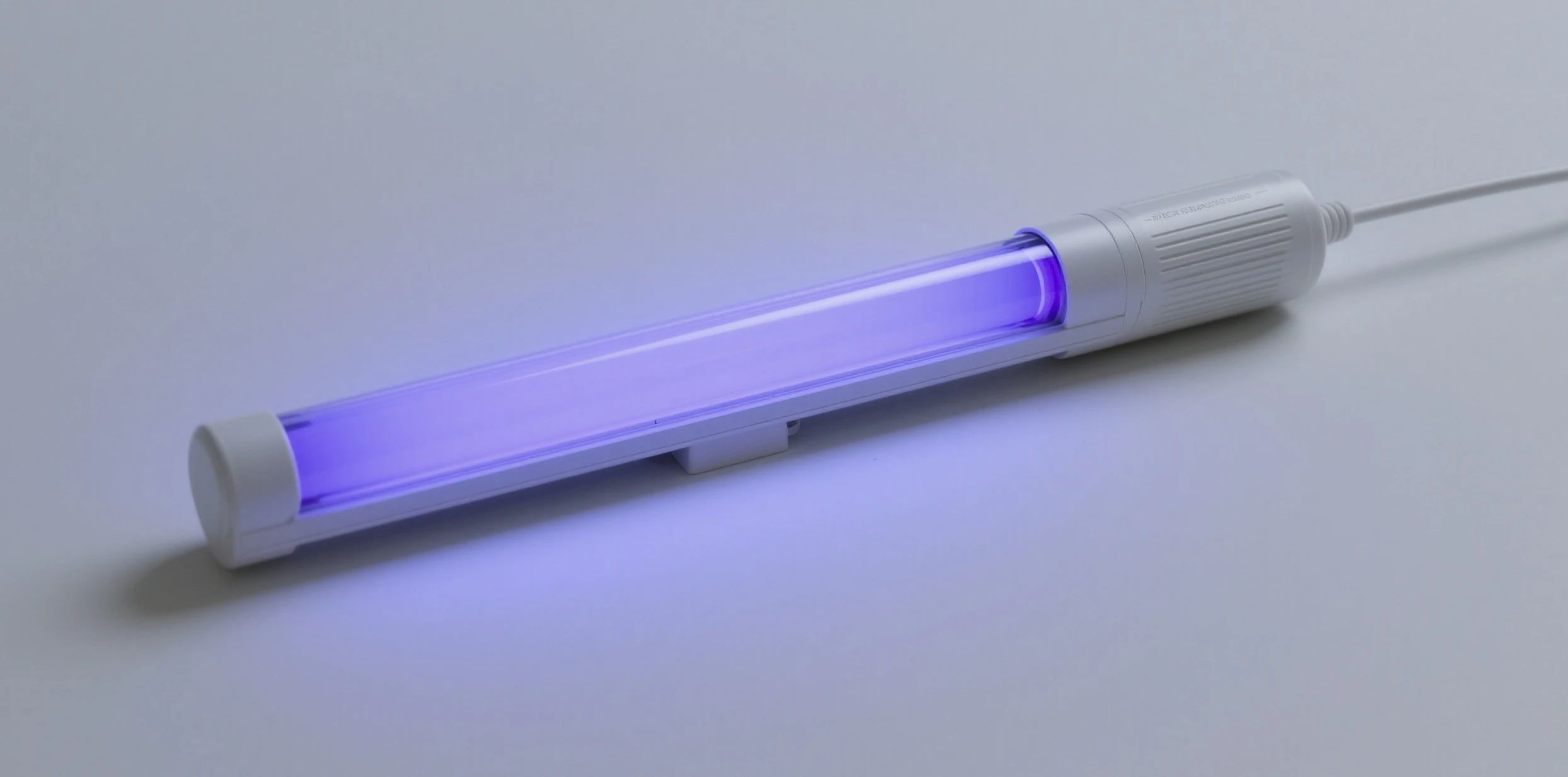
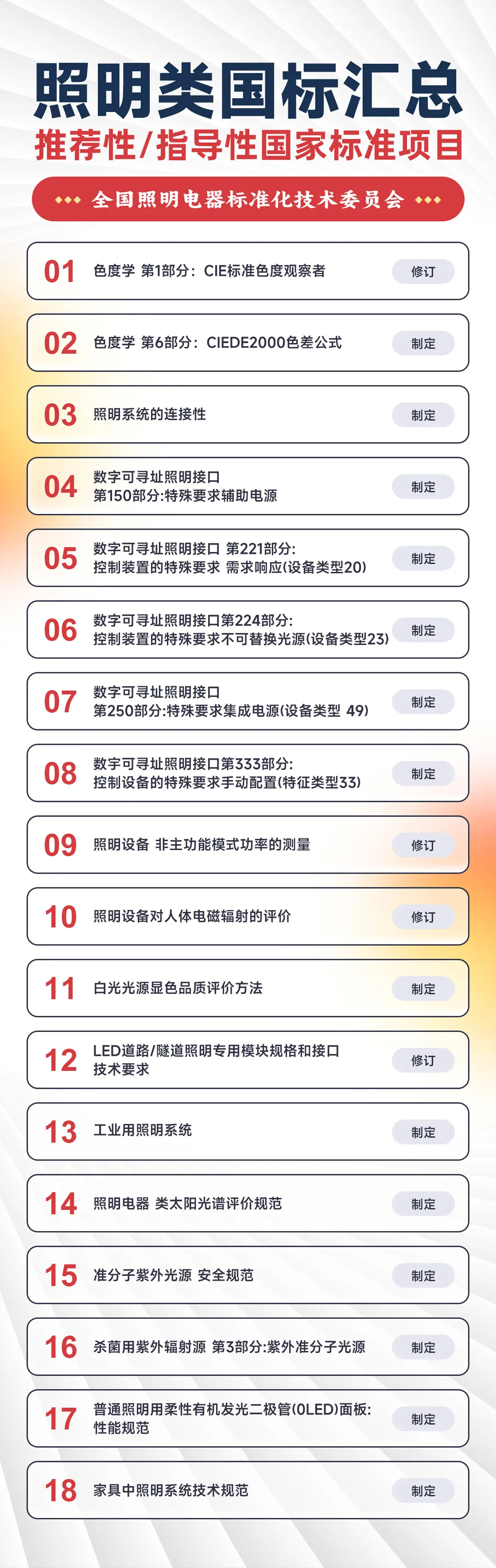
Now, two national standards 《Excimer Ultraviolet Radiation Source Safety Specifications》 (20251256-T-607) and 《Ultraviolet Radiation Sources for Sterilization Part 3: Excimer Ultraviolet Radiation Sources》 (20251262-T-607) have been officially launched, aiming to:
Significance of National Standards
Fill the gap in technical specifications: Existing standards struggle to cover the characteristics of excimer light sources , and the new standard will provide clear guidance for R&D, testing, and application.
Break through technical barriers: Help domestic excimer light sources improve their technical level and enhance international competitiveness.
Promote industrial upgrading: Through scientific and authoritative unified standards, help domestic products break through technical barriers and promote high-quality development of the ultraviolet disinfection industry.
Ensure public safety: Establish technical and application requirements such as photobiological safety thresholds, irradiance intensity, and electrical protection to avoid safety and health risks caused by product design defects.
To accelerate the implementation of standards, now seeks enterprises, institutions, research institutes, universities, and application units with technical accumulation and practical experience in the design and manufacturing, testing and evaluation, and application integration of excimer UV radiation sources. Co-build a technical ecosystem and industry standards, standardize industry development, and help Chinese enterprises occupy a leading position in the global market.
04
Standard Protection: UV Technology Empowering a Healthy Future
From "wild growth" to "regulated progress", the popularization of excimer UV technology requires not only technical breakthroughs but also the "protection" of standards. The formulation of National Standards (mandatory / recommended) is a "collective upgrade" for the industry and a solemn commitment to public safety. Let every beam of UV light truly become a guardian of health!
China Light
The official website of the China Association of Lighting Industry and a full-media platform for the lighting sector. We provide authoritative and timely lighting information while striving to be a growth partner for businesses. From brand promotion and channel expansion to consulting, talent training and participation in standards development, we provide comprehensive professional services to help businesses improve quality and efficiency and jointly advance the high-quality development of the lighting industry.
Business Contacts
仇纯 (Ms.): 158 6155 3579
顾君 (Mr.): 137 7157 5253