
How to control spill light in outdoor street lighting to achieve functional lighting energy saving and efficiency improvement
With the continuous deepening of national dual-carbon construction, lighting energy saving has entered a fast lane. Traditional lighting is gradually being replaced by LED lighting, and lighting energy saving is expected to become one of the industries that will率先 complete carbon reduction targets. As energy saving and carbon reduction innovate and iterate within the industry, the focus of lighting energy saving seems to have shifted to the manufacturing sector and smart energy saving. However, manufacturing processing and intelligent control are applicable to almost all industries; strictly speaking, they cannot be classified under the category of lighting technology carbon reduction. In addition to high-luminous-efficacy lamp beads, lighting energy saving can be further improved through measures such as optimizing luminaire light control design to reduce spill light. This article combines application cases to share technical insights on how to achieve efficient light control energy saving by reducing spill light.
01
For functional outdoor lighting, unnecessary light should be avoided as much as possible
How to reduce spill light? Lighting designers have conducted extensive light control simulations, but with little effect. We know that the principle of LED lighting is to form a light source by arranging LED chips in a matrix; each chip has a downward emission characteristic but emits at different angles. Even after secondary optical design, it is difficult to avoid excessive total internal reflection within the luminaire, which forms spill light. The higher the luminous efficacy of the luminaire, the more spill light is generated. This is also the main reason why functional lighting luminaires with higher efficacy result in higher ambient brightness but fail to achieve further energy savings.
Taking street lights as an example (the same applies below)
Under the premise of meeting road surface illuminance (luminance), replacing high-pressure sodium lamps with different efficacy LED street lights always results in an energy saving rate hovering around 35%, which does not increase synchronously with the improvement in efficacy. However, using high-efficacy luminaires for functional lighting creates more light pollution and affects the urban light environment.
At present, there is a strong international call to address light pollution. The Global Lighting Association and the United Nations Environment Programme have successively issued statements to strictly define and warn against lighting application scenariosstandards. Observatories, astronomy enthusiasts, experts and scholars from educational and medical institutions, and animal protection organizations are also urgently appealing that light pollution has seriously affected astronomical observations, people's healthy sleep, and animal migration, becoming an urban malady that must be resolved. The 15th Shanghai Municipal People's Congress has taken the lead in national legislation, imposing corresponding administrative penalties on energy-using units for violations in areas with severe light pollution.
02
Currently, the technical route of relying solely on lenses for secondary optical distribution does not help eliminate spill light.
From the perspective of current industry development, secondary optical distribution technology still cannot solve the problem that excessive total internal reflection leads to increased spill light and reduced lighting efficiency. Controlling spill light can be achieved through other optical imaging technologies, but the cost is prohibitively high and unrealistic for outdoor lighting. However, effective light organization such as cross-optical design can achieve concentrated directional emission, eliminate free reflection inside the luminaire, and thus achieve precise light control.
At the same time, we also note that directional emission is achieved by intervening in the light-emitting surface, which inevitably reduces the overall luminous efficacy of the luminaire to some extent. However, the luminous intensity directed at specific required interfaces will increase (the light source's ability to emit light in a specific direction is enhanced). That is, further energy saving can be achieved by precisely controlling the path of light propagation, which is beneficial for reducing power density and maximizing the useful luminous flux per unit power.
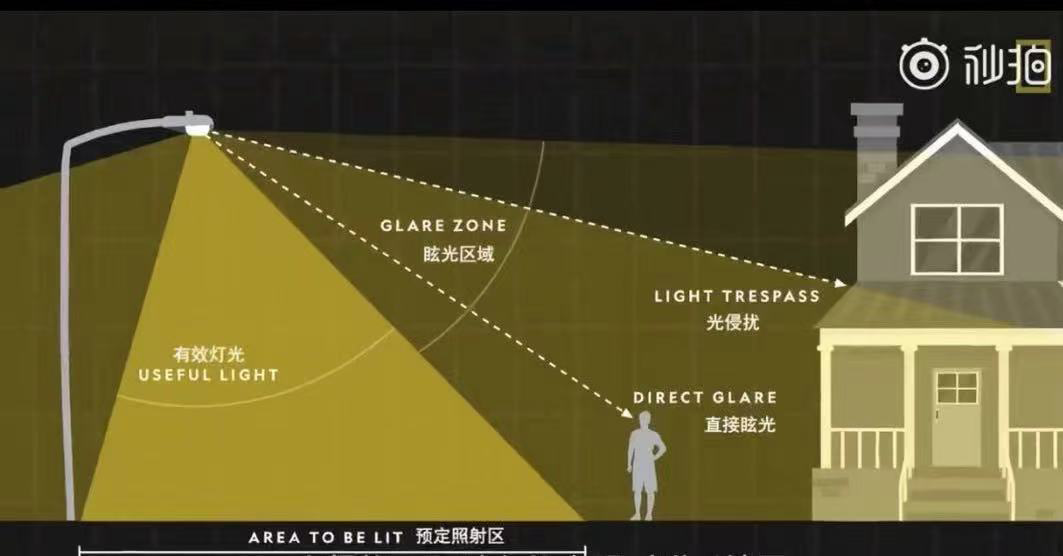
Figure 1: Effect comparison between precise light control and conventional optical distribution
As shown in Figure 1, comparing luminaires of the same power: the measured overall luminaire luminous efficacy (luminous flux) in the dark yellow directional emission area will be lower; the measured overall luminaire luminous efficacy (luminous flux) in the light yellow emission area is relatively higher. However, the dark yellow area emits more focused light on the predetermined illumination area; although the luminous flux (lumens) is small, the luminous intensity is high. In contrast, although the light yellow area has high overall luminous efficacy, the luminous flux (lumens) allocated to the predetermined illumination area becomes smaller, and the luminous intensity is also relatively low. To meet the same illuminance requirements, it is obvious that the dark yellow area can choose lower power and be more energy saving.
Current energy efficiency standards have not yet fully recognized that high-luminous-efficacy luminaires can produce such significant "side effects" (i.e., the glare area in Figure 1, direct glare and light intrusion), and still encourage prioritizing high-efficacy products. High-efficiency lighting achieves overall application efficiency by combining high-efficacy light sources, precisely optically controlled luminaires, and zoned lighting design, while ensuring lighting performance. "High-efficiency lighting" does not illuminate extra ground, saving on luminaires and building materials, and avoids wasting excess light.
It needs to be clarified that not all application scenarios using high-luminous-efficacy luminaires are more harmful than beneficial ; for example, in indoor spaces, sports venues, etc., under the premise of meeting standard luminance requirements, using high-efficacy luminaires is more advantageous for cost reduction. The focus here is on how, under the premise of meeting functional lighting requirements in outdoor spaces, to avoid light pollution's intrusion on the environment and thereby unlock greater energy-saving potential.
After precise optical control design, the Shanghai Disney Resort, Haijiang Road in Baoshan District, Shanghai, and Nanzhuang Highway in Fengxian District, Shanghai street lights, appropriately reduced product luminous efficacy, decreased brightness in invalid spaces, increased road illuminance; compared with non-precisely controlled LED luminaires at the same road grade, energy saving was improved by nearly 30%.
03
Basic technical principles for suppressing spill light
3.1 Characteristics of Refractive and Reflective Optics
Current lighting products achieve light control via lenses for secondary optical distribution (refractive optics). This utilizes the property that light waves change direction when traveling through different media (lenses). For instance, in road lighting, where poles are placed roadside, a typical asymmetric illumination is required; lenses must be used to direct LED light to specific areas.
The advantage of refractive optics is that the luminous intensity distribution curve (LDC) in the driving direction can be easily designed to achieve optimal driving illumination, with the LDC maximum at 60°~65°. The disadvantage is that the LDC angle distribution in the road width direction is harder to design; if designed to cover a wider road width, it reduces lighting efficiency, creating more total internal reflection. Although lighting utilization may meet requirements, the overall optical utilization (luminaire efficiency × lighting utilization) remains low, which is not conducive to energy saving.
In contrast, matrix concentrated reflective optical design (Fig. 5), by adjusting the height and angle of the reflector (light guide plate), precisely guides the light emitted by LEDs to the intended locations. The advantage of reflective optical design is that the LDC angle distribution in the vertical direction perpendicular to traffic flow (road width direction) can be precisely designed, allowing the beam distribution angle to slightly exceed the road width, fully controlling the optimal critical point of lighting efficiency. The benefit is high luminaire efficiency and high lighting utilization, resulting in high overall optical utilization, maximizing energy saving. As mentioned earlier, the drawback is some loss of luminous efficacy, making the space appear less bright compared to refractive optical design.
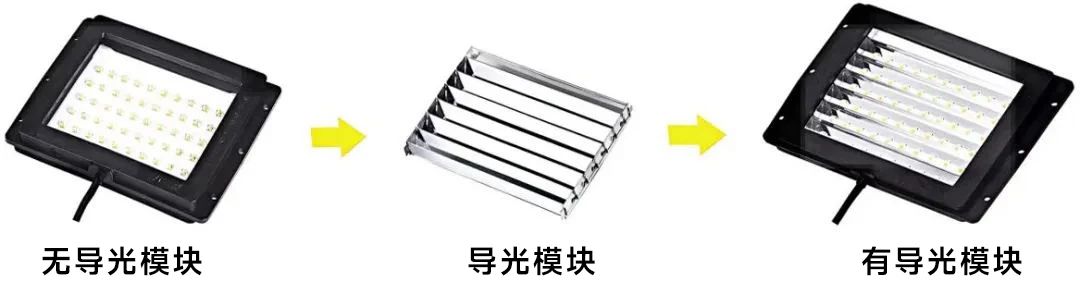
Fig. 5 Variable-angle light guide module achieving on-demand optical distribution
3.2 Principles of Luminaire Light Distribution Design for Improving Lighting Energy Efficiency
Any slight change in visual effect brought by light distribution design is inevitable. To improve the lighting utilization level (lighting energy efficiency), it is necessary to reduce total reflected light. Luminaire design should meet the following principles:
(1) Luminous intensity distribution curve design: The distribution angle of the luminous intensity distribution curve in the road width direction should be narrowed as much as possible to prevent the beam from falling outside the effective range of the road;
(2) Spatial distribution design: Ineffective light within the annular area with an angle of 80°~90° relative to the vertical line of the luminaire should be avoided as much as possible, and upward light beyond the effective illumination area should be shielded (see references [4]).
Figure 6 shows the ray path diagram of refractive optics, showing that LED beads emit light in different directions, causing excessive spill light and reducing lighting efficiency.
Figure 7 shows the ray path diagram of organized light control reflective cross-optical system, indicating that the conditions for generating spill light can be greatly reduced.
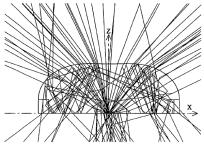
Figure 6 Ray path diagram of refractive optics
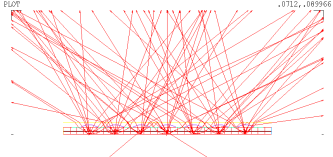
Figure 7 Ray path diagram of organized light control reflective cross-optical system
Figure 8 is a schematic diagram of conventional lighting (refractive optics). The lighting effect after superimposing precise light control with conventional beam distribution is shown by the red line in Figure 9. Comparing Figures 8 and 9, it can be seen that after precise light control, a large amount of invalid light within the inverted triangular area above the red line (invalid lighting area) has been significantly shielded, achieving excellent energy saving results.
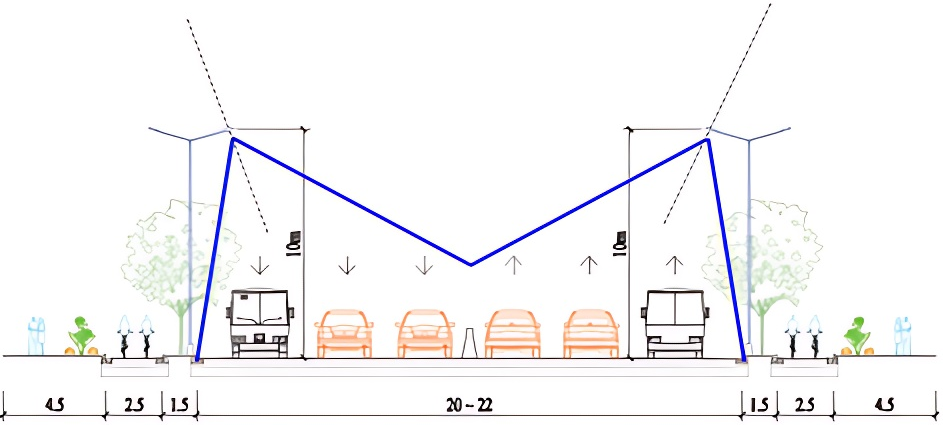
Figure 8 Schematic diagram of conventional lighting
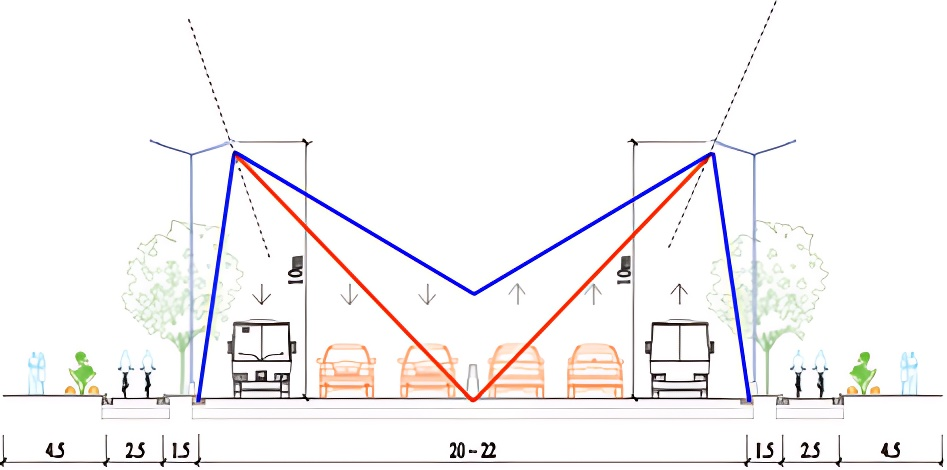
Figure 9: Illumination diagram after precise light control and superimposed with conventional distribution
04
Conclusions and Recommendations
Based on the above analysis, the following conclusions can be drawn.
4.1 Every thing has both advantages and disadvantages; only by maximizing strengths and avoiding weaknesses can one achieve exceptional value
The significant improvement in LED luminous efficacy has greatly enhanced area illumination luminance. Compared with traditional light sources, LEDs offer high color rendering and high luminous efficacy, appearing brighter at the same power. However, if this 'brightness' is not precisely controlled, it can cause disturbance to the nighttime environment. Appropriately reducing unnecessary brightness in spaces while increasing intensity on required surfaces helps control light pollution and achieve truly greater energy saving.
The color rendering index (CRI) of LEDs is inversely proportional to their luminous efficacy and color temperature. Appropriately "reducing" luminous efficacy and prioritizing the use of low color temperature light sources can improve visual acuity in rainy or foggy conditions, maintaining better safety. Therefore, implementing combined applications based on the characteristics of light sources can yield ideal multi-benefit results.
Use power density as the standard for evaluating functional lighting. This facilitates the selection of different luminaires with varying luminous efficacy by different technology routes, provided they meet design standards, allowing them to leverage their respective design strengths: maximizing luminous efficacy where appropriate and minimizing it where suitable. Encourage manufacturers and energy users to select "matched" energy efficiency products corresponding to lighting scene requirements, thereby minimizing power consumption and promoting energy saving. In principle, lower power density is always better.
4.2 On the difference between luminaire luminous efficacy and luminaire energy efficiency
Luminaire luminous efficacy and luminaire energy efficiency are two different concepts. High luminaire luminous efficacy means more light output per unit of power, which is certainly what we expect. However, luminaire luminous efficacy is also a double-edged sword; if not properly managed, it can have adverse effects on the environment.
Luminous efficacy is typically understood as the output indicator for determining the luminous flux (in lumens) of LED chips. However, while luminaire efficacy can approach chip efficacy through technical means, it must not be confused with the concept of luminaire energy efficiency. Although luminaire energy efficiency is provided by the light source, its value is determined by the intended lighting scenario. If the luminaire's luminous flux cannot cover the optimal prescribed lighting scenario, the selection of its energy efficiency must be redefined. It has long been advocated that higher luminous efficacy is better for the same lighting scenario. While this satisfies the basic function of area lighting ('usable'), it overlooks the importance of intensive and effective lighting ('energy use'). Especially in the current environment of energy saving and carbon reduction with a people-centric approach, imprecise qualitative analysis can mislead consumers. There is an urgent need to improve the efficiency of functional lighting.
Electric light source → Luminaire → Ground surface illuminated, there are multiple stages of energy conversion, as shown in Figure 10. Therefore, the meanings of relevant terms are as follows:
Driver efficiency: η1=P2/P1(%)
Luminaire efficiency: η2=L2/L1(%)
Lighting efficiency: η3=L3/L2(%)
Utilization Factor (U):
U(η0) = η3 × η2 = L3 / L2 × L2 / L1 = L3 / L1 (%)
Luminaire Energy Efficiency: L2/P1 (lm/W)
Lighting Energy Efficiency: L3/P1 (lm/W)
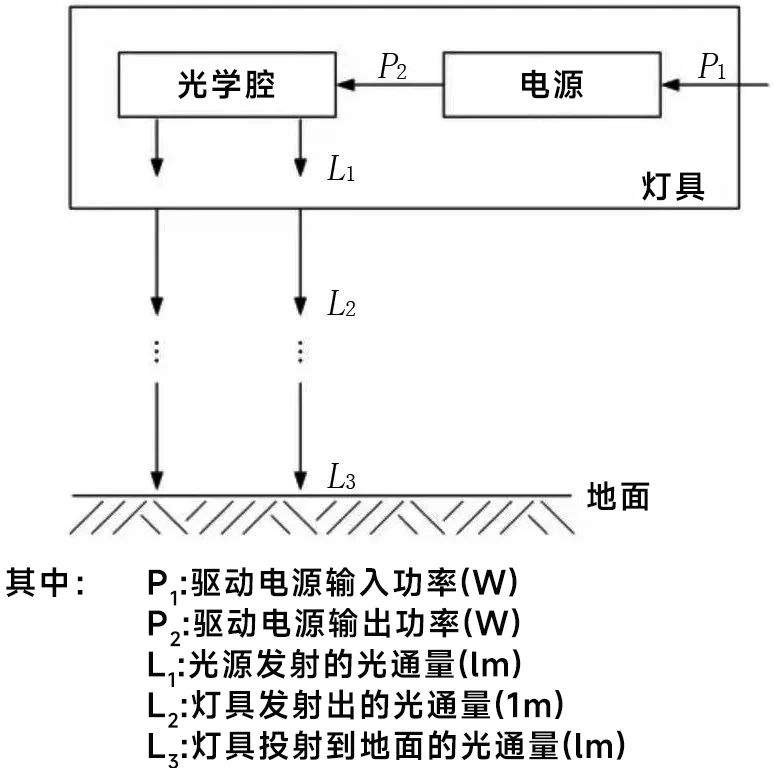
Figure 10: Diagram defining multi-stage energy conversion in road lighting
Practice has proven that the optimal lighting scenario for should precisely match the luminous efficacy of luminaires at different levels. This represents a major conceptual breakthrough and an important step towards international alignment. Because under different application scenarios and different LDC design conditions, the measured overall luminaire efficacy can vary significantly. For instance, for luminaires with relatively low installation heights such as low-level lighting and tunnel lighting, it is difficult to achieve "high luminous efficacy" in actual measurements. The same applies to precision light-control street lights; by tightening the transverse distribution of road lighting, the total luminous flux is focused on the effective area, reducing the lumen count (the dark yellow area in Figure 1), which naturally lowers the overall luminaire efficacy.
This further illustrates that defining the high or low overall luminaire efficacy without considering the application scenario and precise light distribution is not rigorous enough. The energy efficiency of functional luminaires should correspond to the actual compliance effect of the scenario, meaning that only the energy efficiency of luminaires that have been tested and achieved ideal lighting effects is the "adapted" overall luminaire efficacy we pursue.
4.3 Selecting adapted luminaire efficacy based on lighting scenarios
Lighting effect testing must first meet design specifications and secondly avoid ineffective lighting (energy saving considerations). This tests whether the luminaire's light control technology can match the best light distribution design. Unfortunately, current mandatory energy efficiency grading standards still guide luminaire selection to prioritize high-luminous-efficacy luminaires. This inevitably raises some concerns: if higher luminous efficacy does not contribute to a greater energy saving rate (as mentioned earlier, while luminous efficacy doubles, the energy saving rate remains around 35%), then luminous flux beyond what is needed for illuminance requirements will become de facto light pollution.
The original intention of advocating high luminous efficacy was for high energy saving; one should balance energy saving needs and select adapted efficacy according to application scenarios. If not properly controlled, this could backfire and harm the lighting environment. After all, energy reduction and carbon reduction are the original purpose of energy efficiency grading. At the same time, revising energy efficiency standards should not overly encourage luminaire manufacturers to compete on luminous efficacy (that is the job of LED chip manufacturers), but rather encourage manufacturers to perfect product designs that perfectly match usage scenarios. The best light distribution design always matches a relatively lower luminaire efficacy; relatively lower luminaire efficacy better fits the power selection of adapted efficacy luminaires.
4.4 Energy saving and environmental protection are the direction of effort for improving quality and efficiency in the lighting industry
Currently, the state is vigorously promoting the transition from "dual control of energy consumption" to "dual control of carbon emissions". It is clearly stated that reducing carbon emissions while meeting usage needs is the top priority. This is both a solemn commitment to the international community and an inevitable requirement for China's own development. The lighting industry should also keep pace with the times, seize historical opportunities, overcome difficulties with lighting scenarios as the guide, and strive to push lighting energy saving towards higher goals.
With the rapid advancement of urbanization, urban functions have become more diverse, the boundaries between residential and office areas have become increasingly blurred, making it difficult to precisely define functional positioning. This is also the reality of our country with a large population. In addition, people have long had the traditional habit of "seeing joy upon opening the door and seeing light when looking up," which seems to make them more accepting or adaptable to night lighting that is "colorful and like daylight." But reality tells us that the planet we live on can no longer bear the unrestrained demands of human activities due to excessive energy consumption; global climate change has sounded the alarm for us. Restricting light use does not mean reducing the quantity of our functional lighting needs, but rather making light use more precise and efficient.Compared to this basic national policy of energy saving, our consumption habits should also change.
4.5 Artificial lighting should strive to be people-oriented and provide lighting according to demand
The establishment and improvement of the ESG (Environmental, Social and Governance) evaluation system is becoming increasingly well-known and has become an important part of the national governance system. Among them, environmental governance is listed as the top priority. Light pollution is an important part of environmental governance. Astronauts looking at Earth from afar see that the brightest parts are city block lighting. If measures are taken to control it slightly, it is possible to avoid artificial light competing with the sun and moon, allowing people to look up at the vast starry sky while freely moving around. To avoid sending light into the sky, we must unswervingly choose light-controlling luminaires, purifying the night sky while also protecting human health and preventing disturbance to plants and animals.
"Precise light control, lighting on demand, full coverage where needed, and maximizing benefits while avoiding harm" may become the behavioral guidelines to be followed for future high-quality development.
Authors: Yuan Qi, Zhu Hong, Bai Guangfeng (Shanghai Yiyong Optoelectronics Technology Co., Ltd.)
Originally published in "China Lighting & Electrical Appliances", Issue 1, 2025
China Light
The official website of the China Association of Lighting Industry and a full-media platform for the lighting sector. We provide authoritative and timely lighting information while striving to be a growth partner for businesses. From brand promotion and channel expansion to consulting, talent training and participation in standards development, we provide comprehensive professional services to help businesses improve quality and efficiency and jointly advance the high-quality development of the lighting industry.
Business Contacts
仇纯 (Ms.): 158 6155 3579
顾君 (Mr.): 137 7157 5253