
Zhimouji CEO Zhu Dongliang: AI Lighting Empowers Commercial Spaces, Opening a New Era of Intelligent Light Environments
Since its establishment in 2020, Zhimouji has focused on cutting-edge AI technology innovation and commercial applications, dedicated to building globally leading AI full-scenario intelligent solutions. Its product categories are complete, covering both residential and commercial fields, with a Color rendering index (CRI) as high as 96 and Glare rating (GR) below 16, capable of highly restoring the true colors of products under sunlight.
Since its establishment in 2020, Zhimouji has focused on cutting-edge AI technology innovation and commercial applications, committed to building globally leading AI full-scenario intelligent solutions. Its comprehensive product range covers both residential and commercial sectors, with a Color rendering index (CRI) of up to 96 and a Glare rating (GR) below 16, enabling highly accurate reproduction of the true colors of products under sunlight.
Its AI sensor controller enables scene recognition and automatic lighting mode configuration, significantly reducing energy consumption while providing big data support to merchants to boost performance. In recent years, Zhimouji has accumulated extensive project experience worldwide, successfully serving multiple industries, and has become the preferred lighting partner for international major brands and contractors.
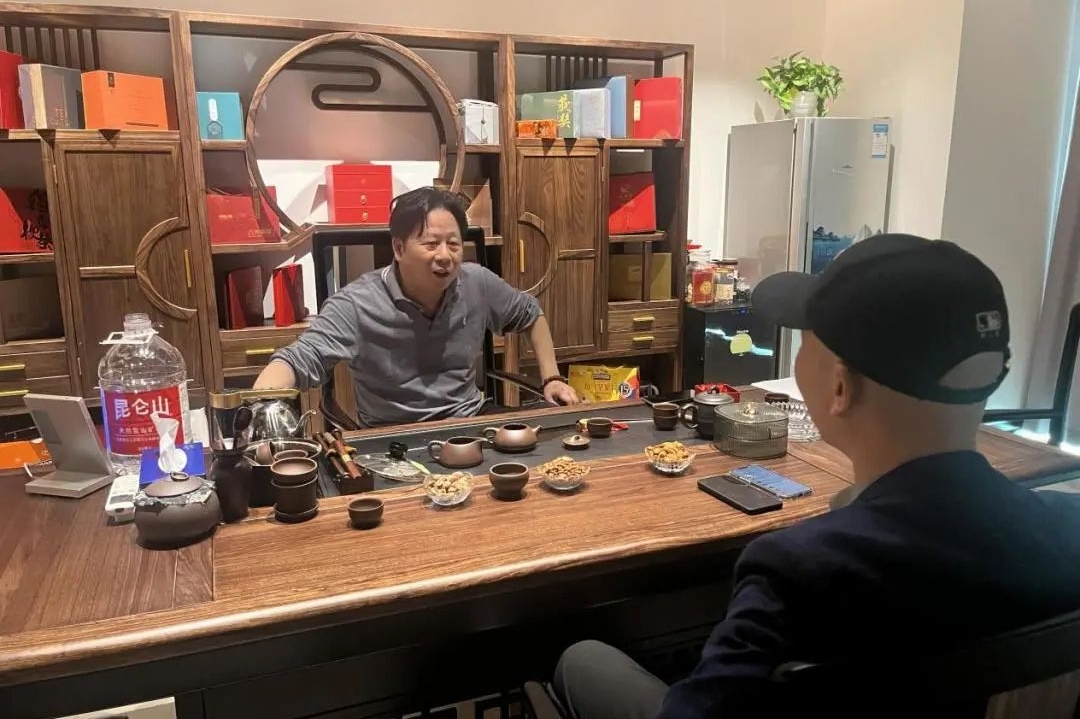
In this interview, Hong Bing, Editor-in-Chief of China Light Network, and Zhu Dongliang, CEO of Zhimouji, conducted a profound discussion on the current application status, advantages, and future development trends of AI lighting technology in commercial spaces.
01
China Light Network: Currently, Jinliuming has launched multiple industry-first technologies and products. In your opinion, how does Zhimouji's AI lighting technology compare to traditional lighting and general smart lighting solutions, what industry pain points have been solved?
Zhu Dongliang: Our products mainly focus on the commercial space sector. For traditional commercial space lighting, there are several relatively obvious pain points.
Poor product display effect: Especially for color-sensitive products, traditional lighting makes it difficult to accurately present the true colors of the products, affecting consumers' purchasing desire. It requires customizing luminaires with specific color temperatures to meet the display needs of different products, but this approach is not only costly but also lacks flexibility.
Severe energy waste: Traditional commercial lighting is typically kept at a constant high luminance, but consumers actually stay only 1/10 of the operating time, resulting in 90% of energy being consumed uselessly.
Unsuitable light environment: To ensure consumers can see products clearly, traditional commercial lighting usually sets the brightness of the entire space very high, but this overly bright environment creates a sense of oppression for consumers, affecting their stay duration and shopping experience.
Poor commercial operations: Traditional commercial spaces cannot accurately grasp customer traffic and product popularity, making it difficult to optimize operational strategies.
Insufficient product protection: In traditional commercial lighting, certain special material products, such as silk and leather, due to their protein content, are prone to aging, fading, or damage from long-term exposure to light. Traditional lighting cannot flexibly adjust according to product materials and display requirements, increasing merchants' maintenance costs and the risk of product loss.
The advantage of our AI lighting technology lies in its ability to actively identify and precisely output various color temperatures , meeting the display needs of different products without the need for custom luminaires with specific color temperatures, greatly enhancing flexibility and display effects. Meanwhile, through consumer positioning functionality, the system can intelligently determine consumer location . When no one is near the products, it automatically switches to energy-saving mode , effectively reducing energy consumption and avoiding energy waste.
In addition, our system can intelligently adjust lighting brightness based on consumer behavior , creating a comfortable and non-oppressive light environment that enhances the shopping experience and dwell time for consumers. Leveraging big data capabilities, the system can monitor foot traffic in real-time and predict product popularity , helping merchants optimize operational strategies and boost performance.
Through smart sensors and algorithms, the system can identify the material and display requirements of products and automatically adjust the spectrum and brightness. When no one is detected near the product, the system automatically switches to 'Protection Mode' , reducing brightness or adjusting the spectrum to avoid unnecessary light damage to the product, providing strong protection. For example, preventing moisture loss in the main component of fruits, reducing the aging time of artworks, etc. . This truly represents a leap from traditional lighting equipment to an intelligent light environment solution.
02
China Light Network: Can you give a practical example to explain how Zhimouji's AI lighting technology helps customers improve their performance?
Zhu Dongliang: Of course. Taking a leading fruit chain brand as an example, we started renovating its fruit display area starting last August. After the renovation, the sales at that store achieved a 30% growth in the same month and have maintained this level, resulting in a qualitative leap overall.
This is because our lighting can accurately present the fresh state of fruits under natural light, giving consumers a stronger desire to purchase and creating a willingness to spend. Moreover, this improvement represents an incremental market; it does not rely on competing with peers but rather encourages consumers to increase their purchase volume by optimizing the lighting.
03
China Light Network: Different commercial scenarios, such as fresh produce, clothing, tiles, etc., may have different needs. How does Zhimouji provide customized solutions for these different industries?
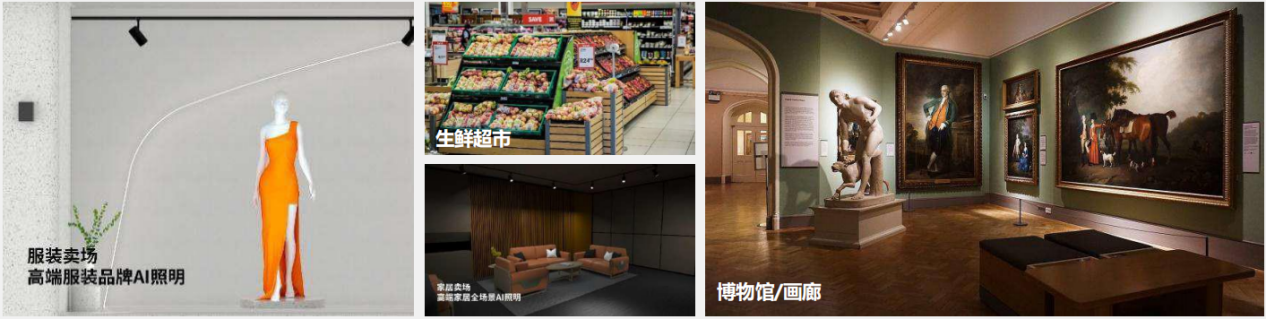
Zhu Dongliang: We adopt a scenario-based approach for customization; different scenarios have different requirements for product form. For example, a fruit store may need track lights, but has special requirements for light intensity that cannot be too high, otherwise it will affect our recognition system. In response to this situation, we adjust the luminaire form, such as adopting a pendant form to meet the needs. Another example is tile display; its light distribution requirements differ from ordinary scenarios, requiring more uniform light spots, so we have specifically developed a product solution suitable for tile display.
Secondly, the functional requirements of different scenarios also vary. Taking a fruit store as an example, they are most concerned about color display and hope that the lighting will make the fruit look fresher, which requires us to adjust the spectrum to highlight the freshness of the fruit. In an office scenario, customers may be more concerned about energy saving, because although the energy consumption of the lighting may not be large, the power consumption of equipment such as air conditioning is very high.
If our system can help them achieve energy saving, the value is extremely high. Therefore, when designing solutions, we deeply understand the core needs of each scenario, identify their top priorities, and then address those issues specifically.
04
China Light Network: Current AI technology development is rapid; large models like DeepSeek have also triggered widespread attention. What do you think is Zhi Mou Ji's core competitiveness in the field of AI lighting? What new technologies and market areas are planned for expansion in the future?
Zhu Dongliang: Actually, language large models like DeepSeek are mainly used for language interaction and are difficult to apply directly in the lighting field. They may be suitable for offices, copywriting, etc., but offer little help for vertical applications in the lighting industry. Our core competitiveness lies in closely integrating AI technology with LED lighting and developing innovative vertical applications tailored to the characteristics of the lighting industry.
We currently mainly use visual algorithms, spectrum algorithms, and positioning algorithms, etc. These algorithms combined with LED technology can achieve functions such as scene recognition, color recognition, and precise positioning. For example, our system can automatically switch lighting modes based on the scene without requiring manual operation by users, which is unique in the industry.
In the future, we will continuously expand into new technologies and application areas based on market demand. On one hand, we will continue to optimize existing AI lighting technology, such as further improving the accuracy of scene recognition and the flexibility of light adjustment.
On the other hand, we are also exploring integrating AI lighting technology with other smart systems, for example, in office scenarios, not only controlling lights but also managing air conditioning, air quality, etc., creating a more comprehensive intelligent office environment. In addition, we are also researching how to integrate functions such as circadian lighting and far-infrared phototherapy into products to further expand the application scope of AI lighting.
05
China Light Network: From the perspective of industry development, what do you think will be the development trend of AI lighting in the next five to ten years? What plans does Zhimouji have in this regard?
Zhu Dongliang: I believe that AI lighting technology will drive the lighting industry towards intensification and intelligence. In the future, consumers will focus more on product functionality and user experience, rather than just appearance design.
Luminaire will not only be a lighting device, but also a terminal node integrating multiple sensors and smart functions. In this way, we can not only achieve energy saving, but also provide a more comfortable and healthy light environment.
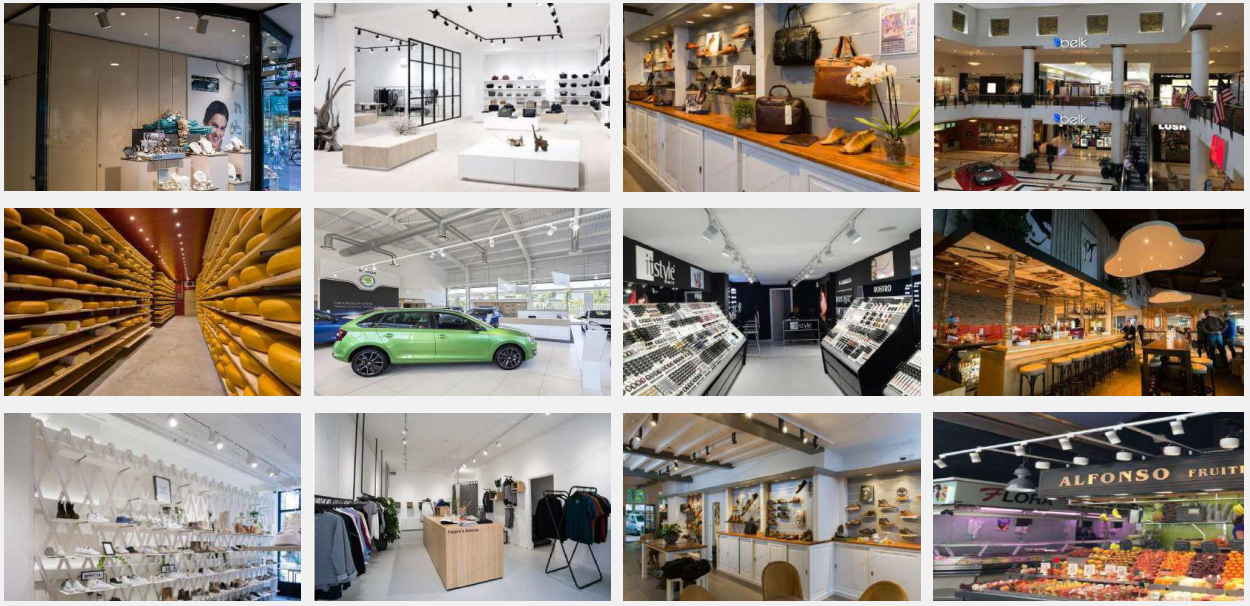
For example, in private activity spaces, cafes or bars, our technology can simultaneously meet social functions and energy saving needs, allowing consumers to enjoy a comfortable experience while contributing to environmental protection.
Currently, our focus remains on commercial spaces because the market demand for commercial lighting is very large, and our technical advantages can be fully utilized in this field. We are already building our own brand; in the future, we will continue to strengthen brand building so that users can prioritize choosing our AI lighting solutions when using smart home systems. In the future, we may gradually expand into the residential field, but the residential market differs from commercial spaces; we may seek cooperation with ecosystem partners.
China Light
The official website of the China Association of Lighting Industry and a full-media platform for the lighting sector. We provide authoritative and timely lighting information while striving to be a growth partner for businesses. From brand promotion and channel expansion to consulting, talent training and participation in standards development, we provide comprehensive professional services to help businesses improve quality and efficiency and jointly advance the high-quality development of the lighting industry.
Business Contacts
仇纯 (Ms.): 158 6155 3579
顾君 (Mr.): 137 7157 5253