Japanese telecom giant leads the round! Plant factory company Oishii raises $150 million in Series B
Source: 中国之光网|| Views: 2938
Oishii co-founder Hiroki Koga (Image source:Oishii)
Recently, plant factory company Oishii announced the completion of a $150 million Series B financing round (previously disclosed raising $134 million in February this year). This round was led by Japanese telecom giant NTT, with participation from Bloom8, McWin Capital Partners, Mizuho Bank, Japan Investment Corporation for Carbon Neutrality and Green Innovation (JICN), andYaskawa Electric among other institutions. Climate tech fund Resilience Reserve and Japanese venture capital firm Miyako Capital also joined before the closing. Oishii will use the new funds to open a solar-powered vertical farming facility (located in central Tokyo), expand into new markets, and invest in R&D projects in breeding, robotics, and automation.
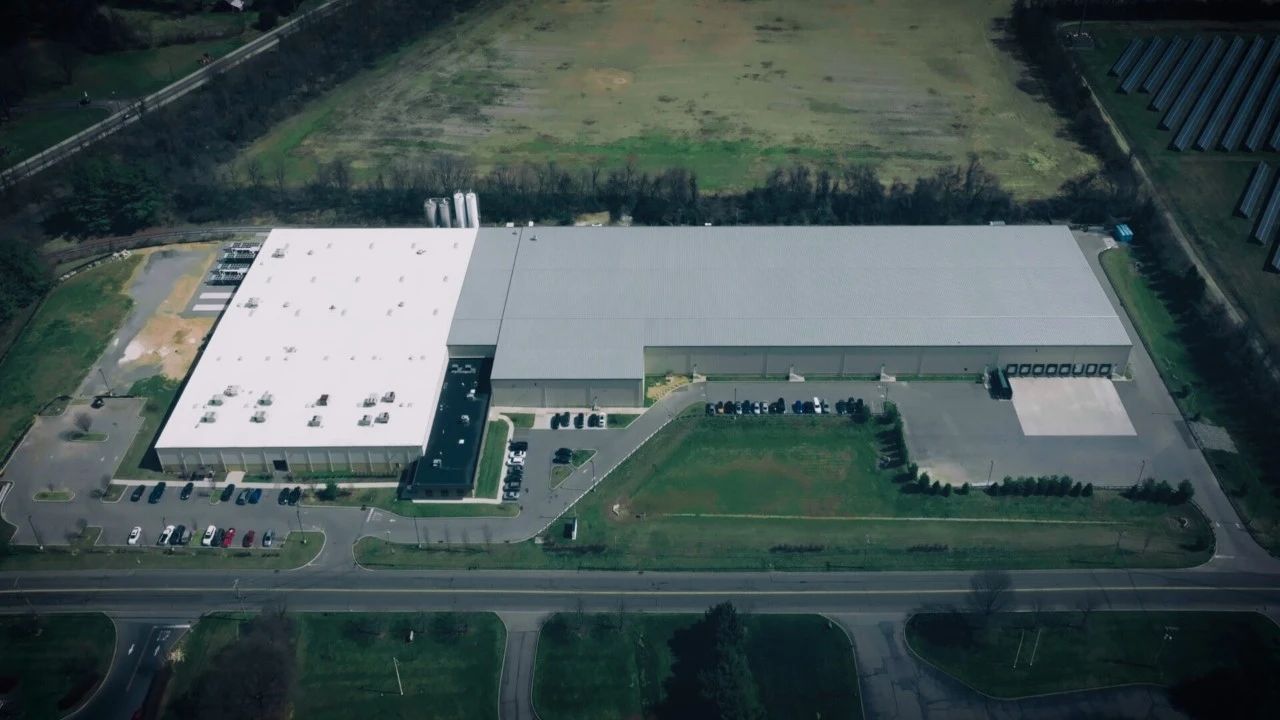
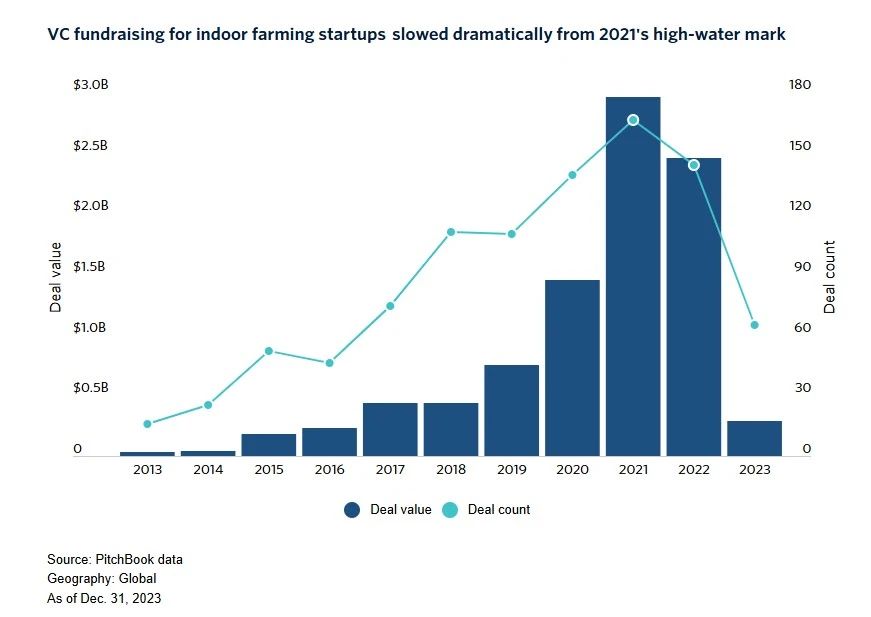
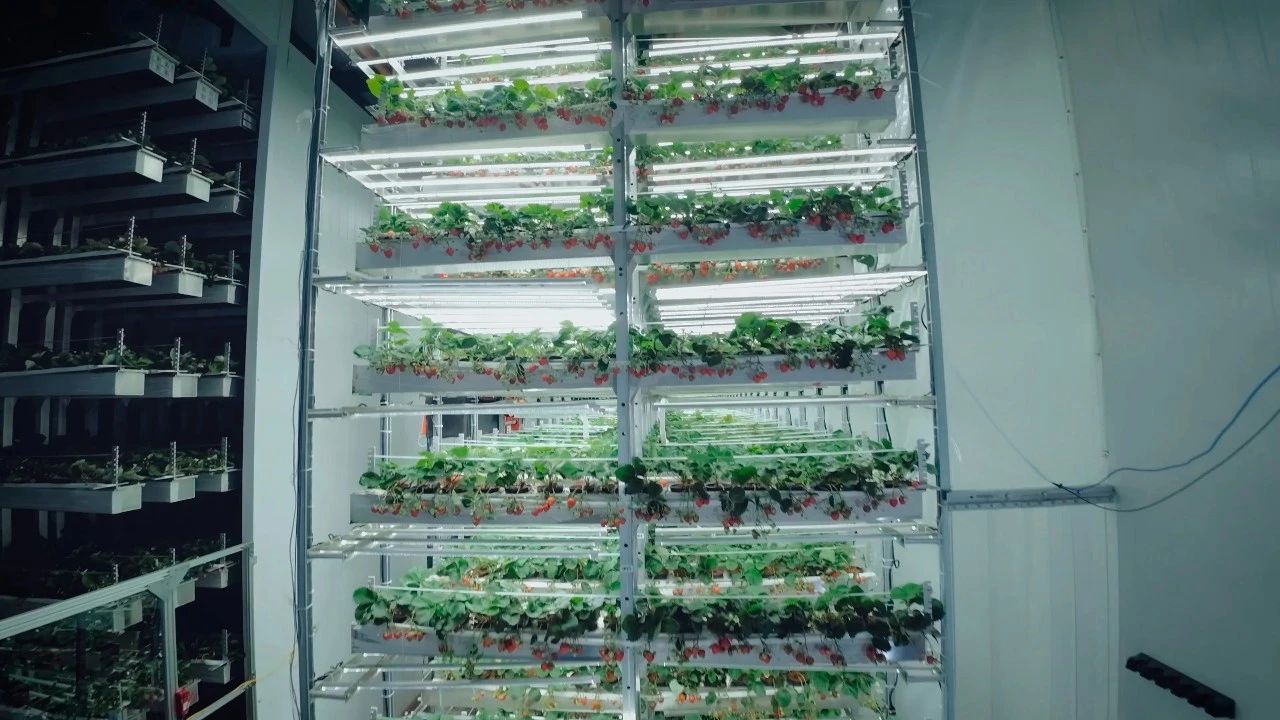
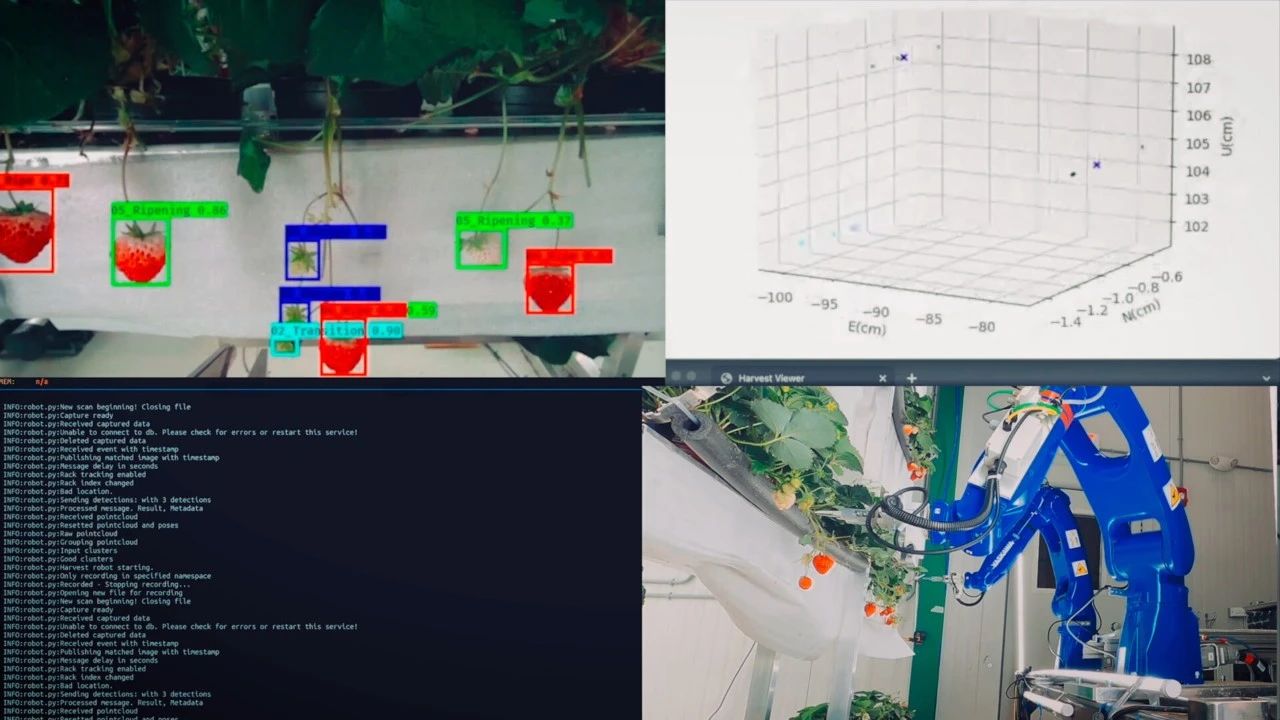
Oishii was founded in 2016 and is headquartered in New Jersey, USA, operating its state-of-the-art plant factory facilities using advanced robotics technology and traditional agricultural methods. Since the launch of its first strawberry, The Omakase Berry, in 2018, the product has quickly gained high attention from Michelin-starred chefs, connoisseurs, and consumers thanks to its exceptional sweetness, unique aroma, and silky creamy texture. Over the past year, Oishii has sequentially launched its second strawberry, The Koyo Berry, and its first tomato, The Rubī Tomato, further enriching its premium produce line. Oishii opened a large solar-powered indoor vertical strawberry farm, Amatelas, in Phillipsburg, covering over 237,500 square feet, making it the largest and smartest farm to date In 2022, Oishii built the large-scale plant factory Amatelas, beginning mass production of strawberries,and reducing the price from $50 per box (about 120 grams) to $10. Currently, the brand's strawberries are sold in about 100 high-end supermarkets in the US, including retail stores like Whole Foods, similar to Seijo Ishii in Japan. Although the price is still higher than other strawberries, it is not uncommon for them to sell out quickly after being stocked. The reason for its popularity is very simple: extreme "sweetness".Oishii strawberries have a sugar content of 10 to 14 degrees, while most strawberries circulating in the US market have a sugar content of 7 to 8 degrees,and even well-known Japanese varieties such as "Tochiotome" or "Benihoppe" usually have a sugar content of only about 9 to 10 degrees. Since 2022, investor interest in plant factories has cooled, mainly due to challenges in scaling operations, matchingcommercial retail prices, and funding capital-intensive facilities.Plant factory startups raised $2.96 billion in financing in 2021. According to PitchBook data,total venture capital deals dropped by more than 90%to $294 million by 2023. Venture capital fundraising for plant factory startups has slowed significantly from its peak in 2021 Recently, Bowery Farming, a leading indoor vertical farming company in the US headquartered in New York, announced that it will cease all operations. This news undoubtedly adds another layer of gloom to an industry already facing difficulties. Since 2022, several vertical farming companies have ceased operations due to financial pressure, including Infarm, Jungle, and Future Crops. Kalera and AeroFarms filed for Chapter 11 bankruptcy protection in the US due to funding issues, but it is worth noting that as of the publication of this article, both companies have emerged from bankruptcy and have not ceased operations. Oishii's plant factory Currently, Oishii is the only company capable of mass-producing strawberries in plant factories. Strawberry production requires pollination by bees, but bees are better adapted to natural environments, and the artificially controlled temperature and lighting conditions in plant factories do not match their ecological needs. Therefore, many plant factories choose to grow lettuce, which is relatively easier to produce. However, due to small differences in taste, ample year-round supply, and low unit price, achieving profitability with lettuce is extremely difficult, leading to the successive closure of many plant factories. At the same time, the market situation in the US is poor; "In the past, plant factories could easily raise billions of yen, but recently investment enthusiasm has significantly declined." Against this backdrop, Oishii has solved the problem of bee pollination through proprietary technology (specific details are corporate secrets), successfully producing high-quality strawberries and tomatoes in a fully artificial environment and attracting significant capital support. The latest round of financing reached $150 million, far exceeding the $50 million Series A financing in 2019. Amidst the wave of venture capital gradually withdrawing from the vertical farming sector, Oishii has demonstrated strong resilience and competitiveness. CEO Hiroki Koga stated: "Our goal is to create a global agricultural brand similar to Tesla in the automotive industry. In terms of building a brand and a sustainable business model, premium strawberries are our selected first crop and the most ideal entry point. Plant factories are an area where Japan can win if it wants to win. " NTT President and CEO Akira Shimada stated in February: "While many in the industry prioritize shortening growth cycles and continuous expansion, Oishii is going against the tide, valuing taste over schedules and profitability over expansion. " Amatelas Farm Command Center Oishii has pioneered a new vertical farming model by integrating data science, robotics, and natural ecology, demonstrating significant potential in the global agricultural sector. In a fully artificial environment, they monitor bee behavior in real-time through 60 billion data points and adjust environmental variables, achieving a pollination success rate of over 95%, far exceeding the 60%-70% of traditional agriculture. Leveraging innovative mobile growing rack structures and proprietary robotic technology, Oishii not only optimizes planting efficiency but also maximizes productivity within limited space, while ensuring each fruit is harvested at optimal maturity. Oishii's technological breakthroughs also include utilizing advanced climate control and all-weather environmental management to address the limitations of seasonal planting, enabling the cultivation of high-quality strawberries and tomatoes at any time of the year. Its farms are not only automated, but also significantly reduce resource consumption through sustainable energy use and water circulation systems, with LED light energy consumption reduced by 14%. These efforts have made Oishii one of the few vertical farming enterprises capable of achieving both economic viability and environmental friendliness. CEO Hiroki Koga stated that vertical farming is not only key to addressing the failures of traditional agricultural systems but also the hope for the future of agriculture. Oishii's strawberry and tomato products are pesticide-free and Certified non-GMO, with its core technology driving industry transformation. Koga proudly mentioned that they have reduced the price per box of berries from $50 to $10 and believe there will be more exciting developments in the next five years. He emphasized that as traditional planting costs rise, vertical farming products are gradually becoming competitive in many regions globally. Through vertical farming technology, Oishii showcases the future of global food cultivation, not only addressing challenges posed by climate change and resource scarcity but also promoting a more sustainable and efficient agricultural model , becoming an industry benchmark.
China Light
The official website of the China Association of Lighting Industry and a full-media platform for the lighting sector. We provide authoritative and timely lighting information while striving to be a growth partner for businesses. From brand promotion and channel expansion to consulting, talent training and participation in standards development, we provide comprehensive professional services to help businesses improve quality and efficiency and jointly advance the high-quality development of the lighting industry.

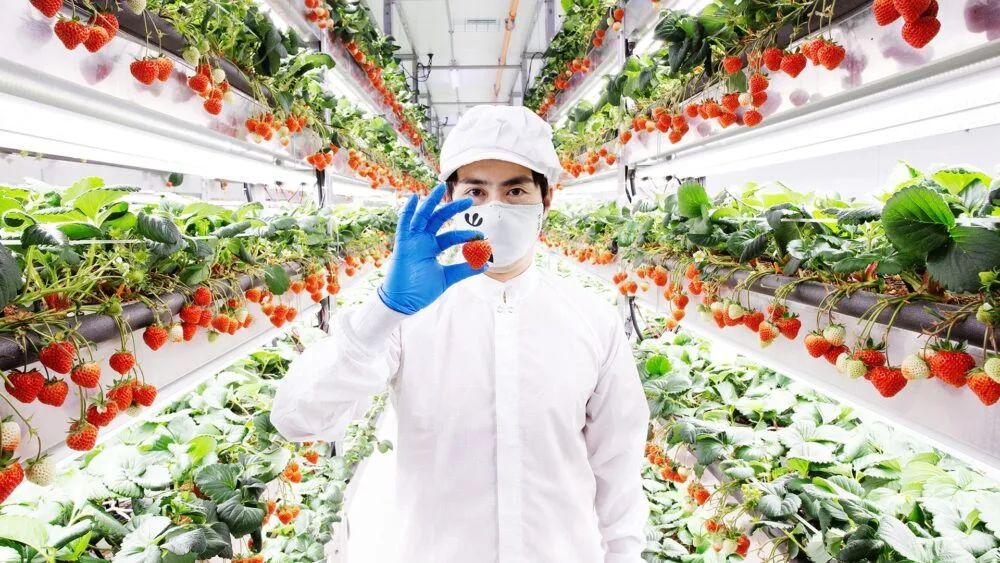 Oishii co-founder Hiroki Koga (Image source:Oishii)