
With so many types of light, why is blue light always considered unhealthy?
Source | "Global Science" (id: huanqiukexue)
Author: Global Science
Written by Li Shiyuan
Proofread | clefable
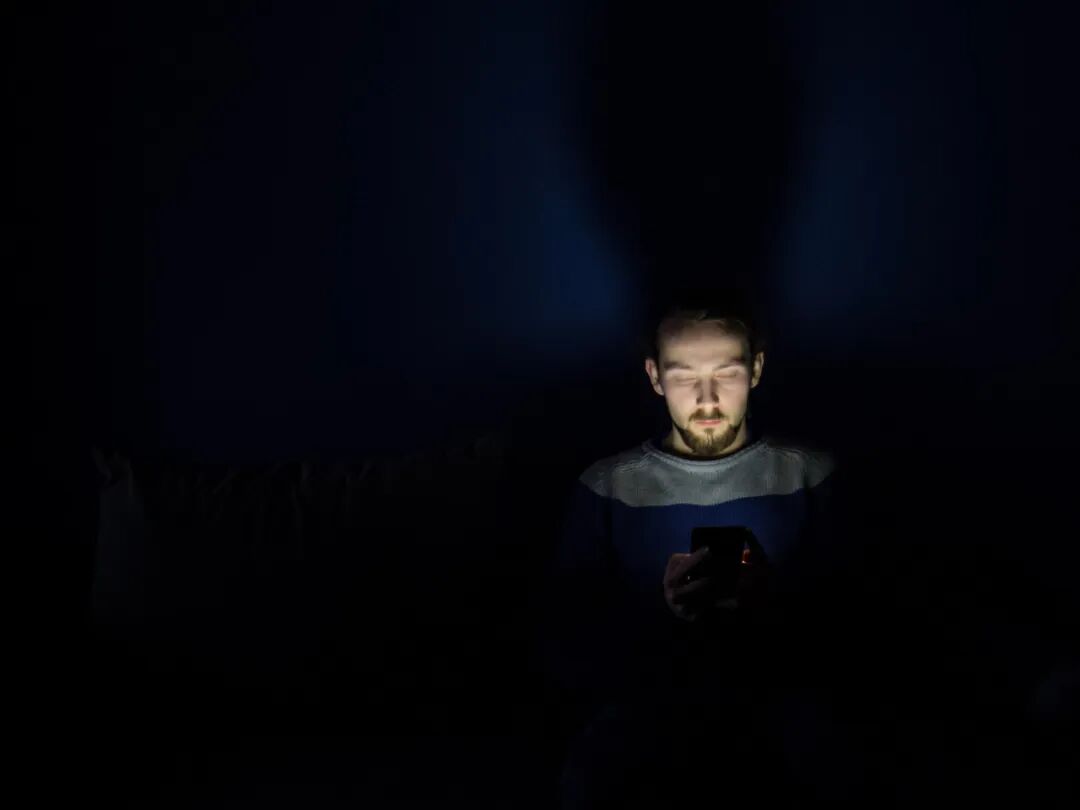
Image source: Kristopherk/Pixabay
In recent years, "blue light blocking" has appeared more and more frequently in our view. This "blue light anxiety" is somewhat justified, but we should pay attention to more than just blue light.
日出而作,日落而息,这些我们的祖先积累下来的生活经验,已经自然地融入了我们的身体中。和许多生物一样,我们的体内演化出了一套和昼夜交替相吻合的昼夜节律,或者简单来说,我们叫它生物钟。
We often think of circadian rhythm as simply going to bed on time, but in fact besides sleep, human body temperature, cognitive function, and neuroendocrine systems all exhibit rhythms . Aligning internal physiological activities and behavioral rhythms with the periodic changes in the external environment is also known as entrainment . The mechanisms regulating human circadian rhythms are highly complex, and it all begins with light, which is the factor in our perceived environment that undergoes periodic changes.
Image source: mohamed_hassan/Pixabay
In ancient times, and even until recently, when night fell, the human world was mostly dark (or at least dim). In recent years, with the increasing popularity of artificial light sources, especially electronic products, the impact of lighting on human circadian rhythms has received growing attention, with blue light being the most frequently mentioned. The wavelength range of visible light for humans is approximately 400–760 nm, among which blue light with shorter wavelengths (approximately 450–485 nm) is often considered to have a negative impact on human sleep rhythms.
However, how do these electromagnetic waves that bring us light regulate our body's rhythms, and how do they significantly affect our circadian rhythms?
Circadian Controller
You might say that light is naturally meant to be seen with the eyes. This answer is half right—indeed, it involves the eyes, but not through "seeing" in the traditional sense.
The crucial task of light sensing naturally relies on our most important organs, the eyes, particularly the retina at the back of the eyeball. Cone cells and rod cells are the well-known photoreceptor cells; the former detect color and brighter light, while the latter function in dim environments. In addition, the retina contains a third type of photoreceptor cell—the intrinsically photosensitive retinal ganglion cell (ipRGCs).
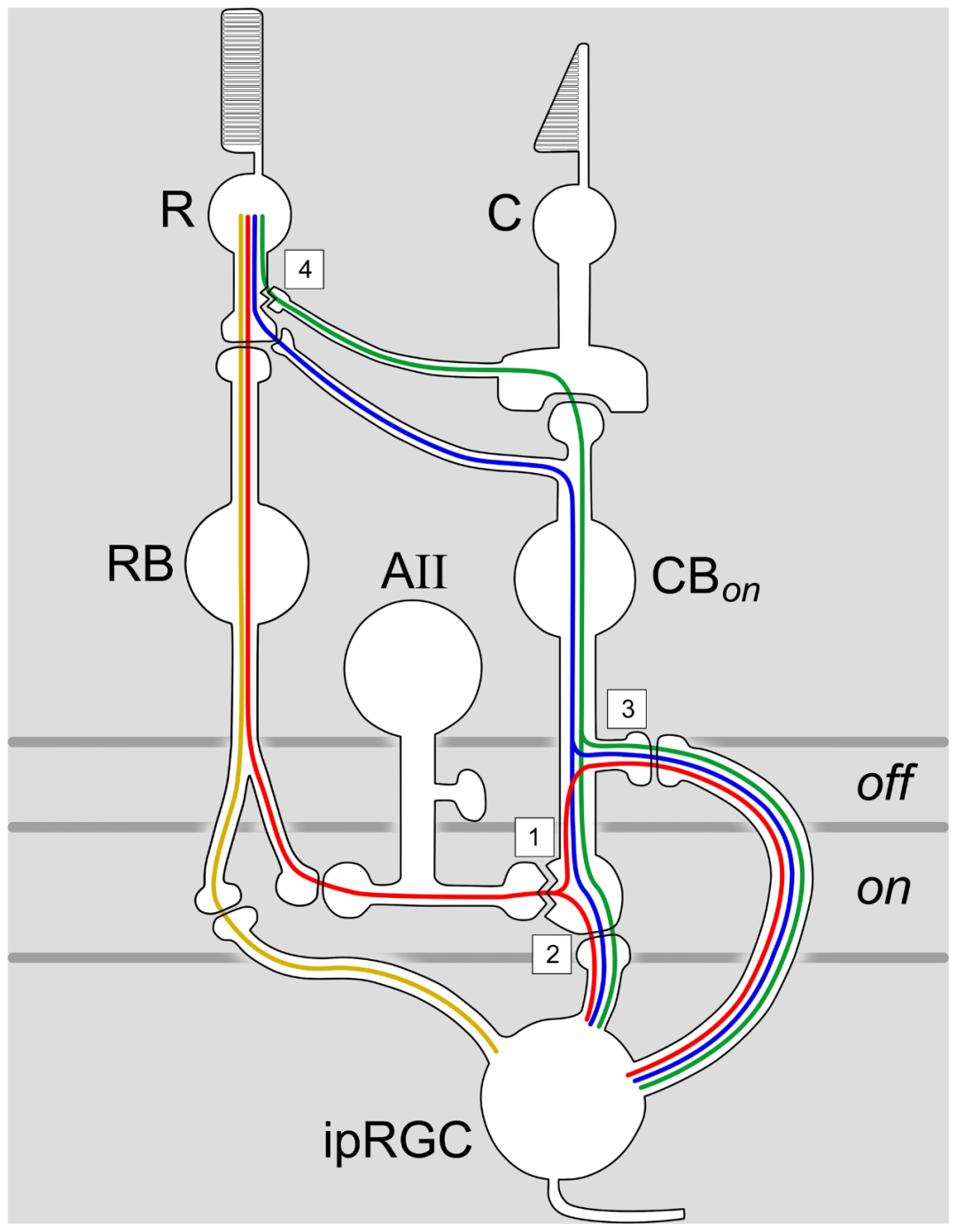
Schematic diagram showing the interconnections among intraretinal ipRGCs, cone cells, and rod cells (see below). R denotes rod cells, C denotes cone cells. (Image source: Weng et al., 2013. https://doi.org/10.1371/journal.pone.0066480)
Unlike the first two types of cells, ipRGCs are non-image-forming cells. They do not enable us to "see" the colorful world but only perceive light intensity. ipRGCs transmit signals via the retinohypothalamic tract (RHT) to the suprachiasmatic nucleus within the hypothalamus.
The suprachiasmatic nucleus is located above the optic chiasm (the X-shaped structure formed by the crossing of the optic nerves from both eyes) and on both sides of the third ventricle, containing approximately 10,000 neurons on each side. Although this tiny structure seems insignificant compared to the 14 billion neurons in the entire brain, it is the command center for our circadian rhythms.
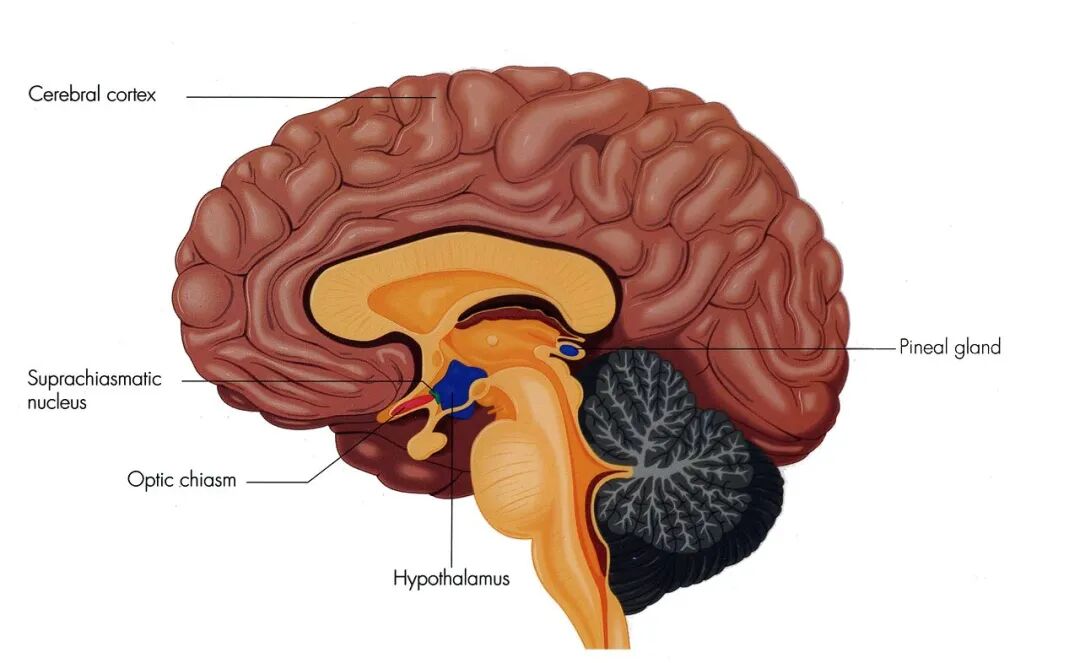
Location of the suprachiasmatic nucleus in the brain. (Image source: Yellow Umbrella/Wikimedia Commons, License: CC-SA-3.0)
Within the suprachiasmatic nucleus, there exists a molecular feedback loop mechanism that can spontaneously and continuously carry out rhythmic activity, acting as a natural "clock" . Moreover, the suprachiasmatic nucleus coordinates rhythms in areas controlling arousal, sleep, neuroendocrine functions, and the autonomic nervous system by projecting via neural pathways through , synchronizing the body's biological clocks. Thus, it acts like a pacemaker for human rhythms , helping our bodies derive a 24-hour rhythm from sunrise and sunset (with slight variations in rhythm cycles among different individuals).
Blue Light Becomes the Main Culprit
提到蓝光的危害,就不得不介绍常常和睡眠问题同框出镜的另一大明星——褪黑素(melatonin)。褪黑素是脑部松果体分泌的一种激素,可以调控昼夜节律。光照会抑制褪黑素分泌,这一过程受到了视交叉上核的调控。在自然状态下,日落后不久我们体内褪黑素的分泌就开始增加,在凌晨2点-4点时达到峰值,随后便逐渐降低,每天都会呈现出这样的周期性变化。体内褪黑素含量的周期变化也常常作为反映昼夜节律的指标。
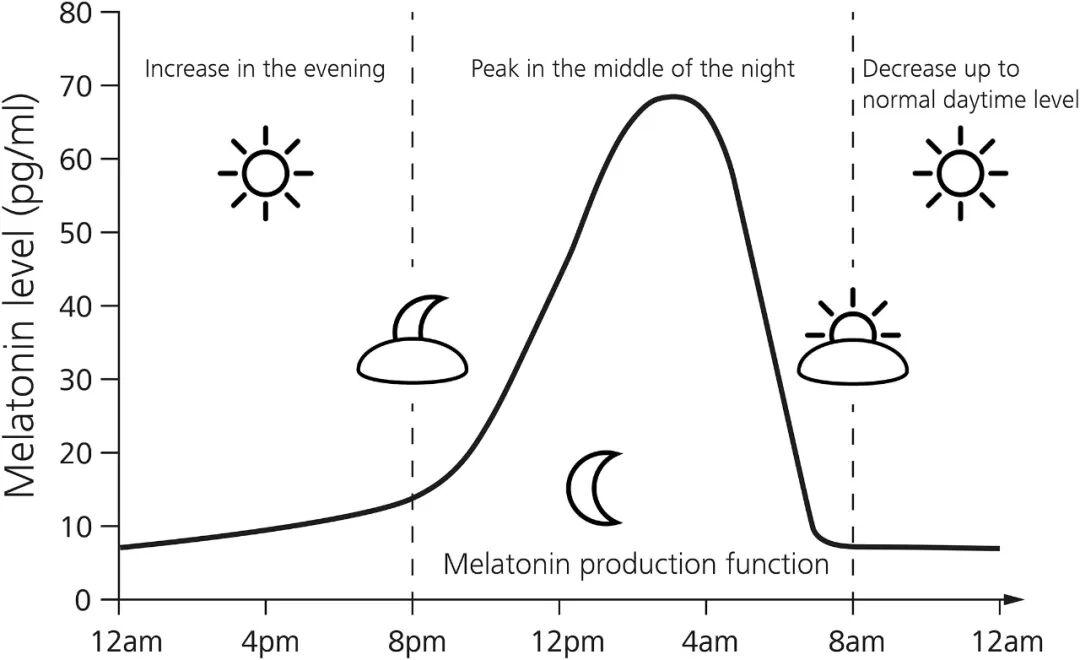
Variations in melatonin levels in the body throughout the day. (Image source: Wahl et al., 2019. https://doi.org/10.1002/jbio.201900102)
For over 20 years, many studies have found that blue light can more effectively suppress melatonin secretion and alter its circadian rhythm compared to longer-wavelength light and mixed white light. As a result, attention has turned toward blue light.
It is worth mentioning that at the time, scientists believed that only cone cells and rod cells in the human body had photoreceptive functions. However, they found doubts from studies on melatonin. Rod cells are most sensitive to light with a wavelength of about 500nm, while there are three types of cone cells, which are most sensitive to light with wavelengths of about 430nm, 530nm, and 560nm respectively. Although the results of these studies varied slightly, they generally found that blue light with a wavelength of 440~480nm had the most significant effect on circadian rhythms . Such an action spectrum (the curve showing how the efficiency of light-induced physiological or chemical reactions changes with the wavelength of light) did not match the characteristics of the two classic photoreceptor cells.
Thus, scientists hypothesized that other photoreceptive cells or proteins exist in the human body, a notion later confirmed by subsequent discoveries. It turns out that ipRGCs contain a unique melanopsin, which is most sensitive to blue light with a wavelength of approximately 480nm (some studies suggest 460nm). This explains everything, making blue light the primary culprit disrupting our circadian rhythms.
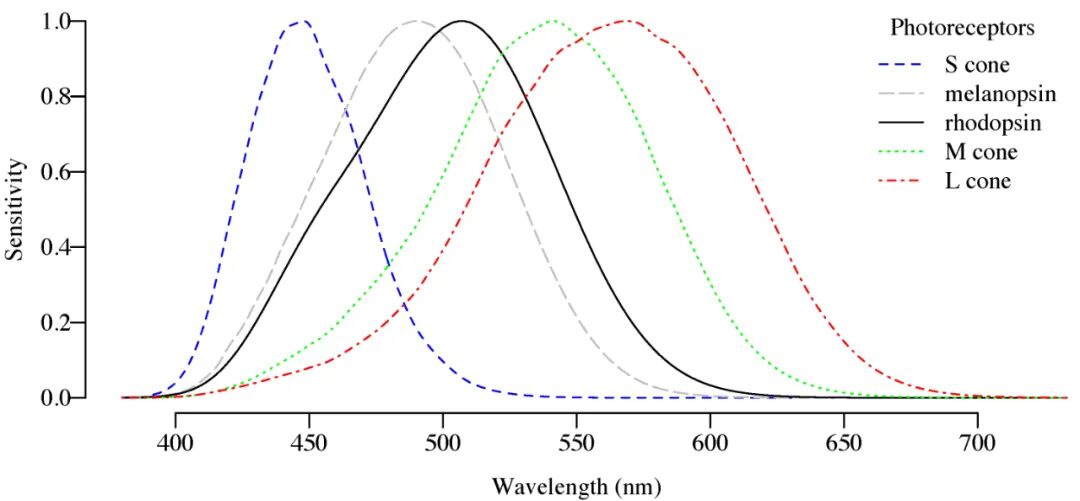
Sensitivity curves of several photopigments to light of different wavelengths. (Image source: Conus et al., 2020. https://doi.org/10.3390/photonics7040121)
Not just blue light
However, the human body is a highly complex and sophisticated system, and its rhythm regulation mechanisms are no exception. Some studies have found that green and red light with longer wavelengths can also affect human circadian rhythm; while other studies have found that it is not blue light but violet light with shorter wavelengths that has the strongest effect in suppressing melatonin secretion. Moreover, the precision of many studies is not high enough to confirm that melanopsin affects human rhythms by sensing blue light. Therefore, there has been ongoing controversy in the scientific community about blaming blue light.
Scientists believe that, in addition to melanopsin, other components of the photoreceptive system may also be involved in the regulation of circadian rhythm. For example, research evidence indicates that there is communication between rod cells and cone cells and ipRGCs, and ipRGCs may also receive signals from these two types of cells and integrate multiple light signals, thereby responding to visible light of various wavelengths.
A recent study supports this view. Researchers exposed participants' eyes to light pulses of violet (405 nm), blue (470 nm), green (515 nm), and orange (590 nm), and found that except for violet light, which had no effect, the other three types of light significantly suppressed neural activity in the suprachiasmatic nucleus, with no significant differences among their effects .
In addition to spectral characteristics, illuminance and exposure duration also affect the lighting effect. Their impact on rhythm exhibits a dose-response effect, so we should not focus solely on light of a specific color. A 2015 study found that, compared with reading traditional paper books, people who read on an iPad took longer to fall asleep, had lower melatonin secretion, and experienced a delayed circadian rhythm. The authors attributed this to the fact that the light emitted by the iPad screen is dominated by short-wavelength light (with the Spectrum peak at 452 nm in the blue region), whereas the ambient light when reading paper books is white light (with the Spectrum peak at 612 nm in the orange region).
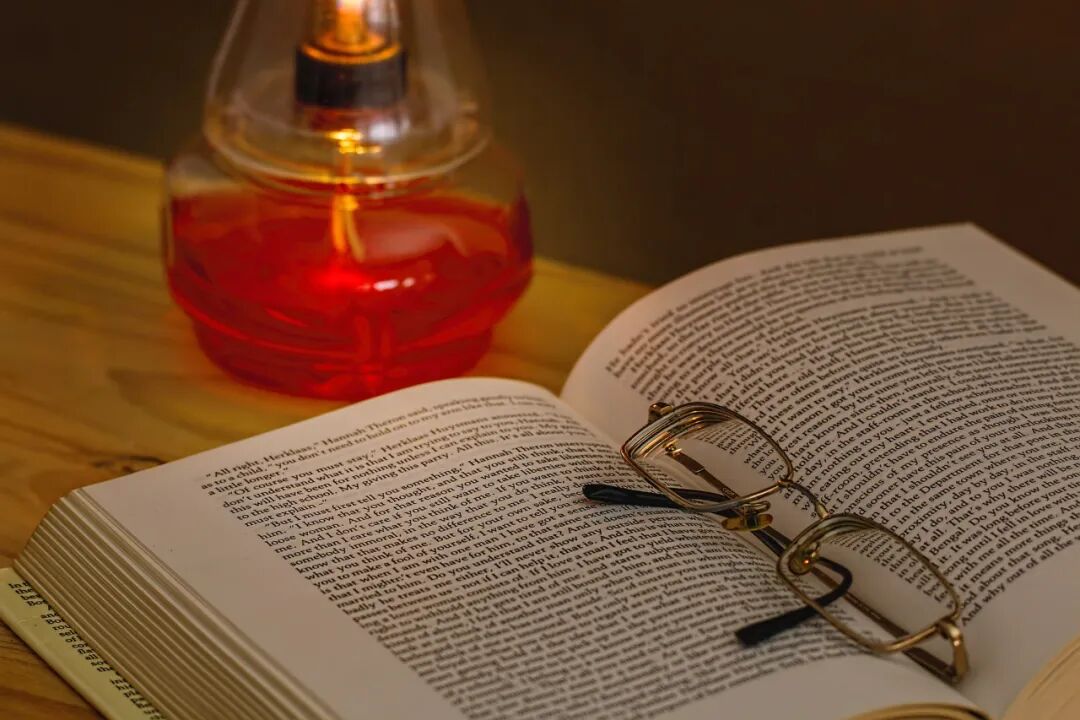
Image source: stevepb/Pixabay
However, in this widely popular study, the color of light was not the only variable. In fact, the environment in which subjects read printed books was dim, with luminous intensity more than an order of magnitude lower than that of the iPad. Moreover, the proportion of yellow and green light in the light emitted by the iPad was also not low.
Therefore, although many studies support that blue light disrupts human circadian rhythms, this does not mean that only blue light has such an effect, nor does it mean that removing blue light will protect us from the harms of artificial light sources.
Reduce Blue Light Anxiety
Since the research evidence related to is not yet clear , the scientific community remains relatively conservative. The clinical practice guidelines issued by the American Academy of Sleep Medicine state that for individuals with Circadian rhythm sleep-wake disorders (CRSWD), it is not recommended to adopt targeted avoidance of certain light exposures as a treatment, including the currently popular blue light blocking measures, as there is currently insufficient evidence to support these methods.
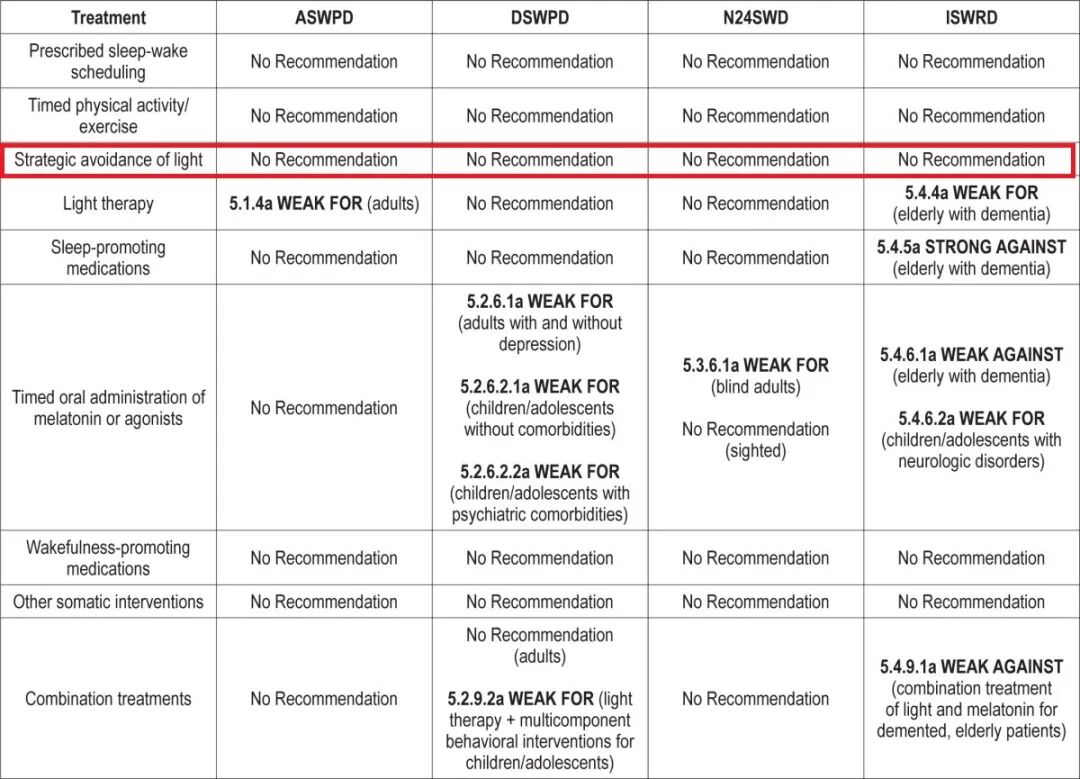
In the clinical practice guidelines issued by the American Academy of Sleep Medicine, targeted avoidance of certain light exposures is not recommended for treating circadian rhythm disorders (highlighted in red). (Original image source: Auger et al., 2015. https://doi.org/10.5664/jcsm.5100)
In practice, due to various reasons such as merchant promotions and increased health awareness, the health impacts of blue light have been somewhat exaggerated. For example, regarding the popular anti-blue light glasses in recent years, studies suggest that for the general population, there is currently no high-quality research evidence supporting the claim that using anti-blue light glasses can improve sleep quality.
Compared to excessive 'blue light anxiety', scientists believe that a more practical and reliable approach to regulating our biological clock is reducing exposure to bright environments before bedtime, such as minimizing the use of electronic devices and appropriately lowering screen luminance.
Reference link:
https://www.pnas.org/doi/10.1073/pnas.2118803119
https://doi.org/10.1038/s41583-018-0026-z
https://doi.org/10.1080/07420528.2018.1527773
https://doi.org/10.1111/opo.12406
https://doi.org/10.1016/j.neuron.2019.07.016
https://www.jneurosci.org/content/21/16/6405
https://time.com/5752454/blue-light-sleep/
https://www.pnas.org/doi/10.1073/pnas.1418490112
http://dx.doi.org/10.3390/biology9070180
https://dx.doi.org/10.2174%2F1570159X14666161228122115
https://doi.org/10.5664/jcsm.5100
https://theconversation.com/blue-light-isnt-the-main-source-of-eye-fatigue-and-sleep-loss-its-your-computer-124235
This article is from the WeChat official account "Global Science" (ID: huanqiukexue). For reprint permissions, please contact newmedia@huanqiukexue.com.
China Light
The official website of the China Association of Lighting Industry and a full-media platform for the lighting sector. We provide authoritative and timely lighting information while striving to be a growth partner for businesses. From brand promotion and channel expansion to consulting, talent training and participation in standards development, we provide comprehensive professional services to help businesses improve quality and efficiency and jointly advance the high-quality development of the lighting industry.
Business Contacts
仇纯 (Ms.): 158 6155 3579
顾君 (Mr.): 137 7157 5253