
Powerful Partnership: Growing Cocoa Trees in Indoor Farms?
Cargill, an agri-food conglomerate, has recently partnered with vertical farming company AeroFarms (Nasdaq: ARFM) to jointly grow cocoa trees in indoor environments. This multi-year research initiative will combine Cargill's expertise in cocoa production and agronomy with AeroFarms' technical know-how and resources in controlled environment agriculture. Their ultimate goal is to achieve higher cocoa yields and a more resilient production system.
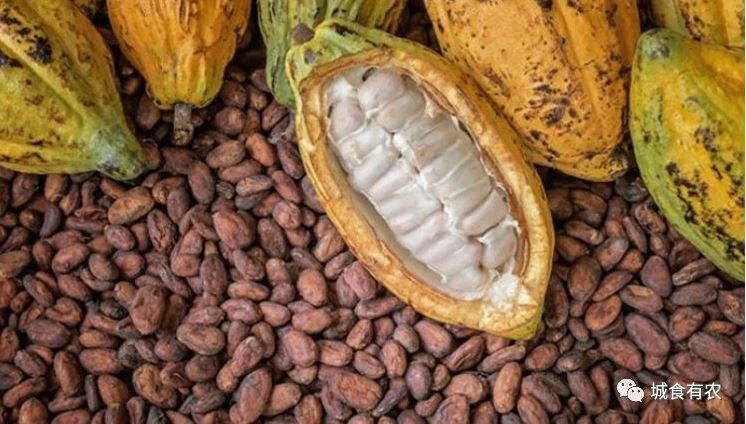
According to Niels Boetje, Managing Director of Cargill Cocoa Europe, a subsidiary of Cargill, global cocoa demand will continue to grow, so production will also have to increase. Clearly, climate patterns are changing, with more erratic rainfall and the possibility of longer droughts. Against the backdrop of climate change and rising consumer demand, Cargill’s newly formed partnership with vertical farming company AeroFarms is one of the ways Cargill is addressing supply challenges in the cocoa industry.
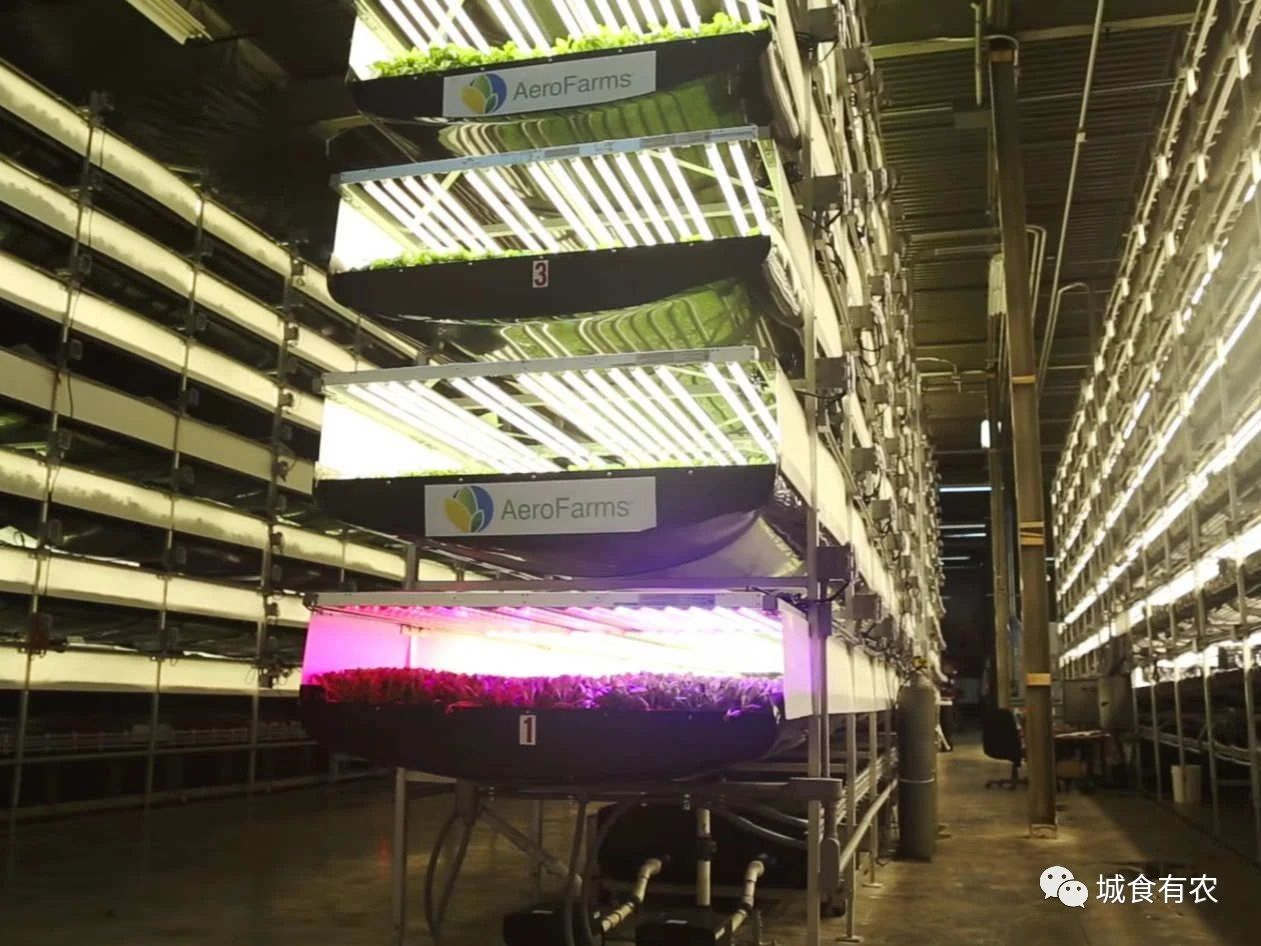
The two companies have joined forces to leverage plant biology, horticultural technology, data analytics, automation, and other agricultural technologies to grow cocoa trees in fully controlled indoor environments. It is reported that this research program will span multiple years, with the ultimate goal of increasing cocoa yield and establishing a more resilient cocoa production system.
The partnership between Cargill and AeroFarms will determine the optimal growth conditions for cocoa trees in environments beyond their traditional growing regions in West Africa, Southeast Asia, and tropical America. The two companies will jointly test a range of indoor cultivation technologies to achieve faster tree growth and higher yields, and develop new varieties with enhanced flavors and greater resistance to pests and diseases.
Cargill screened many potential partners in the controlled environment agriculture sector and ultimately selected AeroFarms for its proprietary technology. AeroFarms monitors and manages plant growth through precision aeroponics technology and a dataset library, and earlier this year reached a SPAC merger agreement, preparing to list on Nasdaq.
In addition to well-documented issues such as deforestation and child labor, many challenges facing cocoa production are linked to the impacts of climate change. Approximately 70% of the world's cocoa beans are grown in just four West African countries, with additional production in Southeast Asia and the Americas. In these growing regions, climate change is causing rising temperatures and droughts, leading to potentially catastrophic consequences not only for cocoa trees but also for the livelihoods of approximately 6.5 million smallholder farmers who cultivate them.
Many farmers are ill-prepared to deal with cocoa pests, diseases, and other threats. It is estimated that around 30% of the global cocoa crop is lost to disease each year, a problem only exacerbated by rising temperatures and changing rainfall patterns.
Growing cocoa trees in controlled environments may yield new knowledge and insights, which Cargill hopes to share with smallholder farmers to help them combat pests and diseases, and improve productivity and yields. Additionally, Cargill plans to develop more disease-resistant varieties, including those with different tree architectures, capable of adapting to unconventional growing conditions both indoors and in the field.
As Niels Boetje emphasized, "If we bring what we have learned here to smallholder farmers, I believe it will help us build an increasingly sustainable and resilient cocoa supply chain. Ultimately, every participant in the cocoa sector needs it."

For AeroFarms, the main challenge will be figuring out how to grow tree crops indoors. This will be vastly different from the plant factories where AeroFarms currently grows leafy greens. Fortunately, this is not the first time AeroFarms has tested new types of crops; including shrub berries, the company has already experimented with growing over 550 plant varieties.
Learn how to grow cacao trees indoors. Like any other crop, it starts by determining the plant's optimal state in terms of flavor, texture, nutrient density, color, and shelf life; then, AeroFarms decides what is needed in terms of light, water, nutrients, and other inputs to achieve that optimal state. The final question is how to provide these resource inputs in the most efficient and cost-effective manner.
Most importantly, these elements also vary according to the age of the plant. For cocoa, young trees and mature trees may have different growing requirements.
According to David Rosenberg, CEO of AeroFarms, he also believes that one of the most important aspects of partnering with Cargill is bringing indoor "harvests" back to the field to help farmers increase yields. For AeroFarms itself, if value can be added, the company often finds a way to commercialize and make a profit.
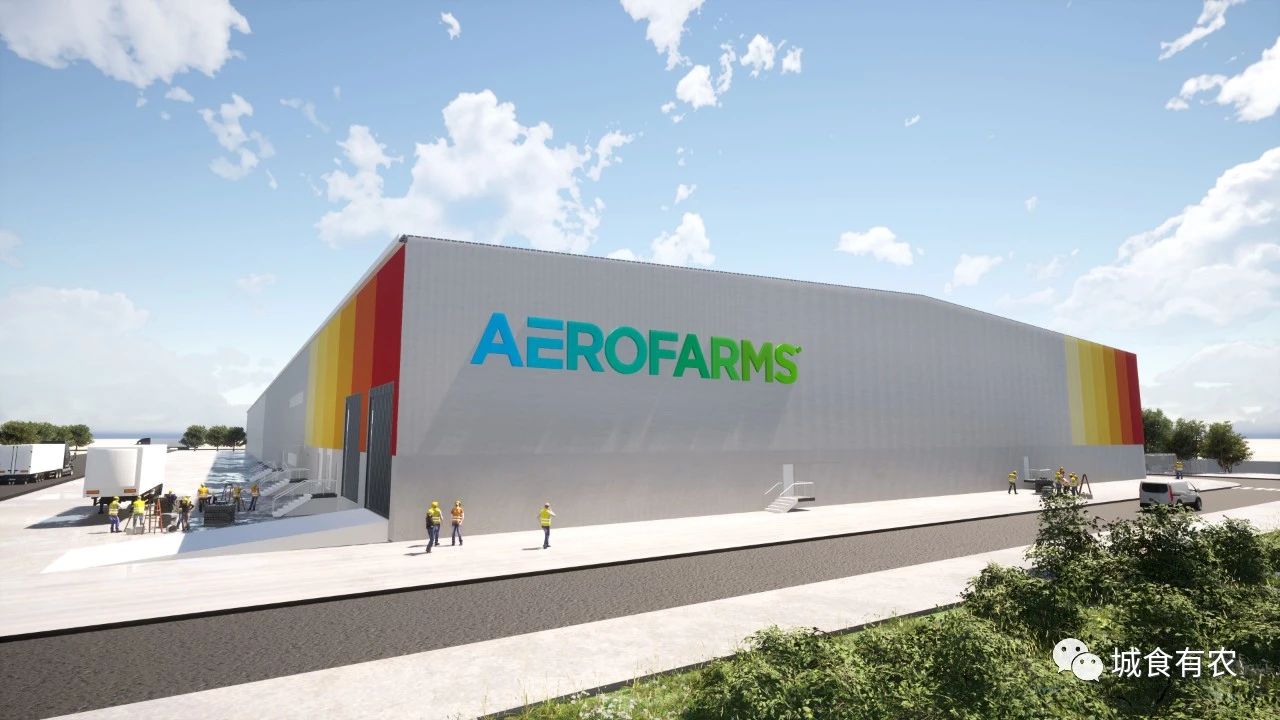
It is reported that preliminary work on the collaborative project has already begun at AeroFarms' indoor farming facility in New Jersey, and will subsequently move to AeroFarms' new R&D facility in Abu Dhabi, United Arab Emirates, scheduled to open next year.
China Light
The official website of the China Association of Lighting Industry and a full-media platform for the lighting sector. We provide authoritative and timely lighting information while striving to be a growth partner for businesses. From brand promotion and channel expansion to consulting, talent training and participation in standards development, we provide comprehensive professional services to help businesses improve quality and efficiency and jointly advance the high-quality development of the lighting industry.
Business Contacts
仇纯 (Ms.): 158 6155 3579
顾君 (Mr.): 137 7157 5253