
Scientists: "Space lettuce" grown on the International Space Station is nutritionally comparable to its Earth-grown counterparts
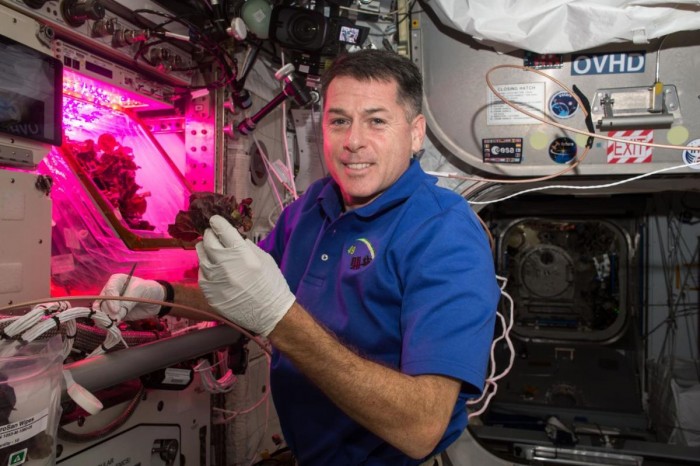
According to New Atlas, a few years ago astronauts ate lettuce grown on the International Space Station (ISS) for the first time. It has now been confirmed that "space lettuce" is at least as nutritious as similar plants grown on Earth.
Between 2014 and 2016, 'Outredgeous' red romaine lettuce plants grew for 33 to 56 days in the zero-gravity greenhouse of NASA's Vegetable Production System (Veggie) on the International Space Station. Among other things, the setup included LED grow lights and an automatic watering system.
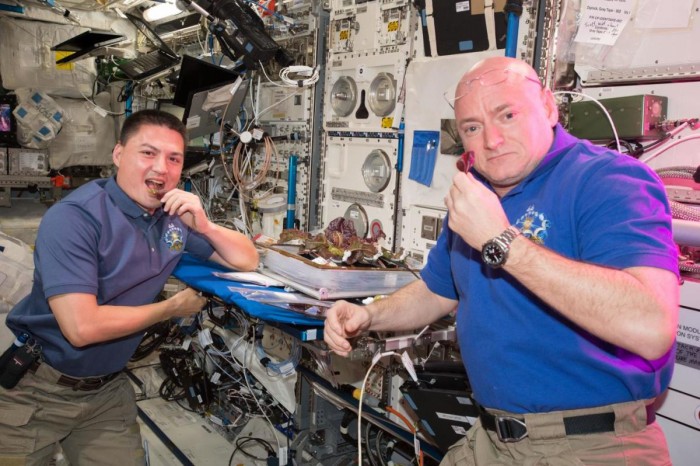
When the three-astronaut crew each consumed a few leaves, the remaining crops were frozen for subsequent return to Earth. Scientists at the Kennedy Space Center conducted chemical and biological analyses there, then compared them with the red romaine lettuce 'Outredgeous' grown in the center's laboratories during the same period. The "Earth lettuce" was grown under conditions matching the temperature, carbon dioxide levels, and humidity of the Veggie greenhouse.
Overall, scientists have found that the composition of Earth and ISS plants is very similar. However, in some cases, space-grown lettuce is actually richer in elements such as potassium, sodium, phosphorus, sulfur, and zinc. It also contains higher levels of phenolic compounds, molecules that have been shown to possess antiviral, anticancer, and anti-inflammatory properties.
Interestingly, the diversity and identity of microbes present in plants were similar between the two groups—contrary to the assumption that the types of organisms in ISS lettuce would be reduced. Importantly, no harmful bacteria (such as E. coli or Salmonella) were detected on any of the plants. Therefore, based on these and other findings, space-grown lettuce is considered edible (and safe).
Dr. Gioia Massa of the Kennedy Space Center, a co-author of the research paper, said: "The International Space Station is serving as a testbed for future long-duration missions, and these types of crop growth experiments are helping to expand the list of candidates that can be effectively grown in microgravity. Future tests will investigate other types of leafy crops as well as fruits and vegetables such as peppers and tomatoes, to help provide fresh produce to supplement astronauts' diets."
The paper was recently published in the journal Frontiers in Plant Science.
China Light
The official website of the China Association of Lighting Industry and a full-media platform for the lighting sector. We provide authoritative and timely lighting information while striving to be a growth partner for businesses. From brand promotion and channel expansion to consulting, talent training and participation in standards development, we provide comprehensive professional services to help businesses improve quality and efficiency and jointly advance the high-quality development of the lighting industry.
Business Contacts
仇纯 (Ms.): 158 6155 3579
顾君 (Mr.): 137 7157 5253