
Procurement demand for projects exceeding RMB 50 billion has been concentratedly unleashed, and the sixth International Engineering Construction Supply Chain Expo has unveiled a comprehensive overview of procurement data—projects from all six continents are converging, driven by both domestic and international markets, with robust demand across five core product categories.
From September 16 to 18, 2026, the 6th International Engineering Construction Supply Chain Expo was successfully held at the National Exhibition and Convention Center (Tianjin). With the theme “Digital Intelligence in Engineering, Building the Future,” the expo featured numerous supply-and-demand matchmaking events and registration activities, collectively unveiling a large-scale, comprehensive, and wide-ranging set of international engineering procurement needs. This showcased China’s robust momentum in coordinating overseas expansion of its engineering supply chain, as well as strong global market demand for Chinese construction, equipment, and services.
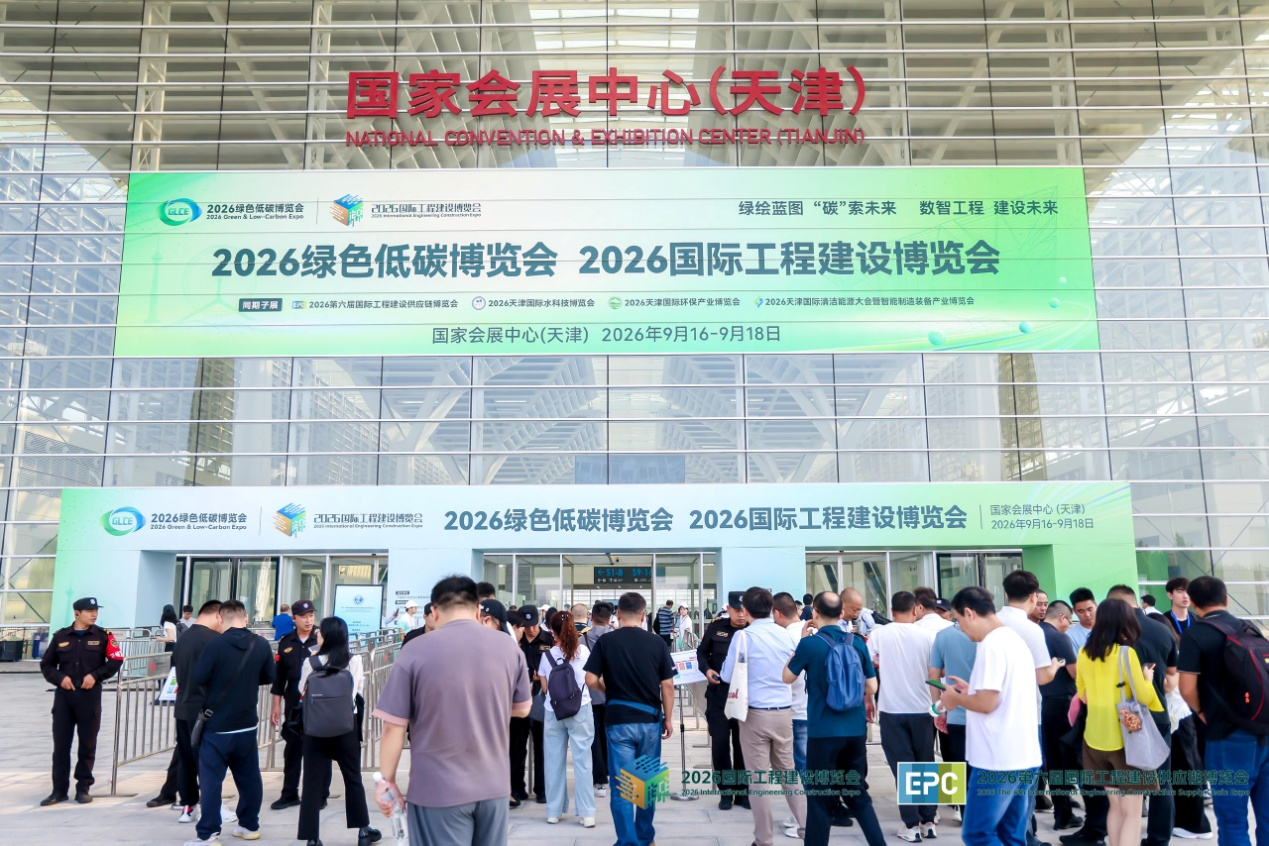
A total project value of 50 billion yuan, with annual centralized procurement needs exceeding 10 billion yuan
According to the organizing committee, this year’s expo brought together procurement demands spanning all six continents, with identifiable project values totaling over 50 billion yuan. The clearly defined portion of annual centralized procurement needs alone has already surpassed 10 billion yuan. Demand types include subcontracting, specialized contracting, equipment and material procurement, centralized purchasing, and overseas cooperation, covering every stage from site entry through design, construction, and tendering. Currently, China’s overseas contracted engineering projects are maintaining steady growth—by 2025, the sector achieved a turnover of US$178.82 billion and new contract values of US$289.22 billion, both hitting record highs. From January to July 2026, overseas contracted engineering generated a turnover of 701.28 billion yuan, up 7.4% year-on-year, with 603.28 billion yuan earned in countries participating in the Belt and Road Initiative—an increase of 10.8%. This vast overseas engineering market has created enormous demand for upstream and downstream supply-chain products, making this expo a key platform for channeling these needs.
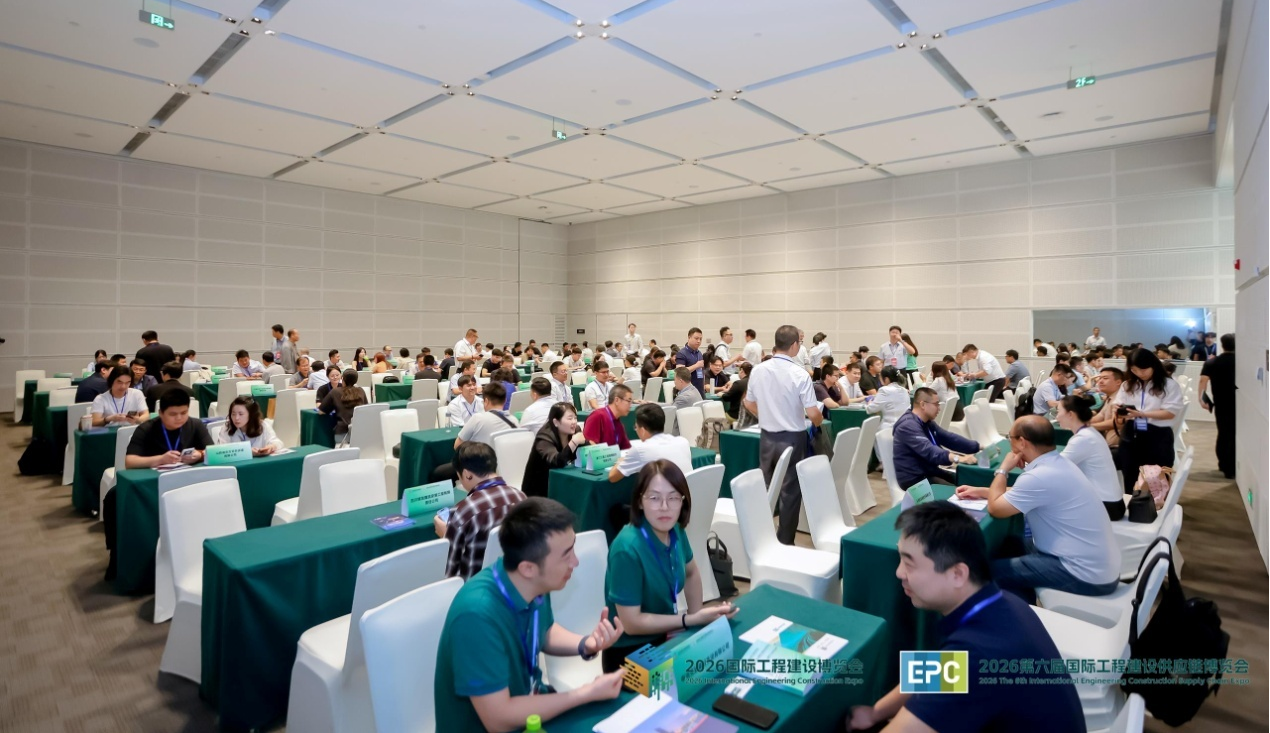
Broad industry coverage: residential construction, new energy, and municipal infrastructure dominate
In terms of industry distribution, the expo’s procurement needs span more than ten sectors, including residential construction (hospitals, elderly care facilities, hotels, public buildings, convention centers, office towers, urban renewal, affordable housing, schools), industrial plants and industrial parks, municipal infrastructure, new energy and power engineering, transportation, petrochemicals, mining, water conservancy, environmental protection, electronics and telecommunications, aerospace, and others. Among these, residential construction, new energy/power, and municipal infrastructure constitute the three core demand areas, accounting for over 60% combined. Notably, demand in the new energy and power sectors is growing rapidly, covering the entire value chain—from photovoltaics and energy storage to hydrogen, wind power, and grid modernization—aligning closely with China’s strategic push toward green and low-carbon transformation.
Strong domestic procurement demand; central state-owned enterprises lead large-scale centralized purchasing
This expo serves not only as a platform for releasing overseas project demands but also as an important gateway for connecting domestic engineering procurement needs. Based on registration data and matchmaking sessions, domestic procurement spans multiple provinces, municipalities, and autonomous regions across China, covering major sectors such as residential construction, municipal works, industrial plants, new energy, power, transportation, and water conservancy. Projects are distributed across Beijing, Tianjin, Hebei, Shandong, Guangdong, Jiangsu, Sichuan, Anhui, Hainan, Xinjiang, and other regions. Representative projects include: a 1.5-million-ton-per-year ethylene and downstream deep-processing complex in Fujian (project scale: 1.483 billion yuan, with approximately 400 million yuan allocated to primary materials); a new highway and road project (project scale: 1 billion yuan); Phase II of a Qingdao metro line (project scale: 300–500 million yuan); an EPC project for a live fish germplasm resource bank in China (project scale: over 300 million yuan); an eco-food valley project in Ma’anshan (project scale: 300 million yuan); a precision synthetic biology industrial park in Muping (project scale: 300 million yuan); an LNG storage station project in Xiong’an New Area; a land development project in Shijiazhuang (400,000 square meters); a residential project at the Garden Expo; a hospital project in Tianjin; and an airport project in Dalian, among others.
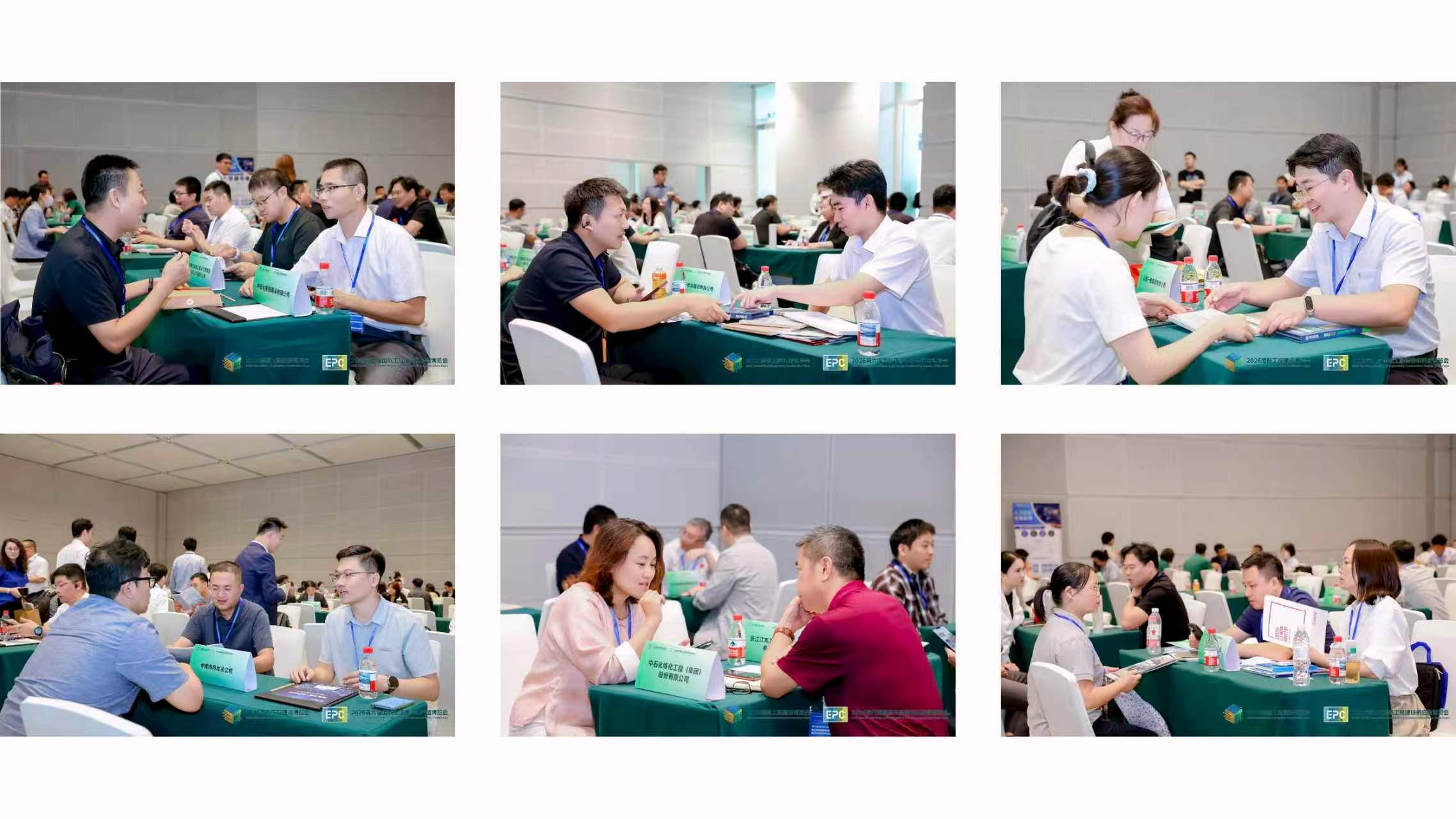
Domestic centralized procurement demand stands out particularly. One general contractor reported annual procurement needs totaling 8 billion yuan, covering steel, electrical wires and cables, distribution boxes, formwork lumber, pipes, paints, tiles, decorative finishing materials, and mechanical and electrical equipment. Another entity requires 200,000 tons of rebar, while another seeks 50,000 tons of steel. Some companies estimate annual centralized purchases of 200 million yuan for rebar and cables, while others plan 50 million to 100 million yuan annually for steel structures, cables, pipes, sanitary ware, and mechanical/electrical equipment. A municipal authority procures 200,000 meters of piping and fittings, 350,000 tons of stone, 6,000 tons of steel, and 8,000 tons of cement each year. In 2026, one organization plans centralized procurement of 2 million yuan worth of piping, 20 million yuan of green building materials, 5 million yuan of electrical equipment, and 10 million yuan of construction materials. Additionally, there are bulk centralized purchases of 40,000 square meters of tiles, 50,000 sets of sanitary ware, 253 elevators, 205,000 meters of pipe piles, and 100,000 square meters of waterproofing membranes—all released simultaneously.
Supplier准入 standards: For domestic projects, suppliers are generally required to be manufacturers or first-tier agents, possessing relevant production qualifications, strong brand recognition, and sound financial standing. Some large general contractors further mandate that suppliers register on designated centralized procurement platforms, maintain clean records, and prioritize those with proven overseas project experience. This provides a clear pathway for high-quality domestic suppliers to enter major corporate procurement lists and expand stable supply channels.
The five core categories lead the way, covering the entire supply chain
In terms of procurement categories, pipes and fittings, green building materials, engineering services, electrical equipment, and building mechanical and electrical systems comprise the five core demands, spanning everything from basic construction materials to smart construction tools, and from engineering design consulting to cross-border logistics services. Specifically, pipes and fittings cover steel, copper, PVC, PE, PPR, UPVC, insulated pipes, concrete pipes, and more; green building materials include aluminum panels, tiles, glass, paints, insulation materials, prefabricated components, permeable bricks, etc.; engineering services encompass design consulting, supervision, project management, logistics and freight forwarding, customs clearance, insurance and finance, legal and tax advisory, inspection and certification, and more; electrical equipment includes transformers, cables, distribution boxes, ring main units, generators, energy storage devices, and so forth; building mechanical and electrical systems cover HVAC, plumbing, building electrical systems, fire safety and security, machinery, elevators, and more. Demand for smart construction tools (construction robots, digital platforms) and home improvement materials (customized whole-house solutions, smart homes, ceramic sanitary ware) is also growing rapidly.
Overseas projects account for nearly half, with Belt and Road countries as hotspots
Regionally, overseas projects make up nearly half of all opportunities, concentrated in Africa, Southeast Asia, the Middle East, South Asia, Central Asia, South America, and Oceania—areas along the Belt and Road. In Africa, notable projects include the expansion of Congo (Kinshasa) Airport, the Mozambique Zhi Xiao Complex, the Ghana Nami Tini Gold Mine, the Guinea Grid Modernization Project, and the Abidjan Arts Center. Southeast Asia features Malaysia’s Johor Bahru Seaview Machinery Plant, Indonesia’s Central Java SEAL Coal Mine, Laos’ Vang Vieng Hotel, and the Philippines’ Kaisaka Water Tunnel Project. The Middle East includes Saudi Arabia’s Naria Phase II Power Station, Dubai’s villa complexes, and Iraq’s Majinu Project. South America encompasses Chile’s Rukaiwei Hydroelectric Station, Guyana’s NABI Warehouse, and El Salvador’s National Stadium. Oceania includes Papua New Guinea’s Star Mountain Plaza Phase III, Papua New Guinea’s Ocean Park Phase I, and Papua New Guinea’s Nan Ya Hospital.
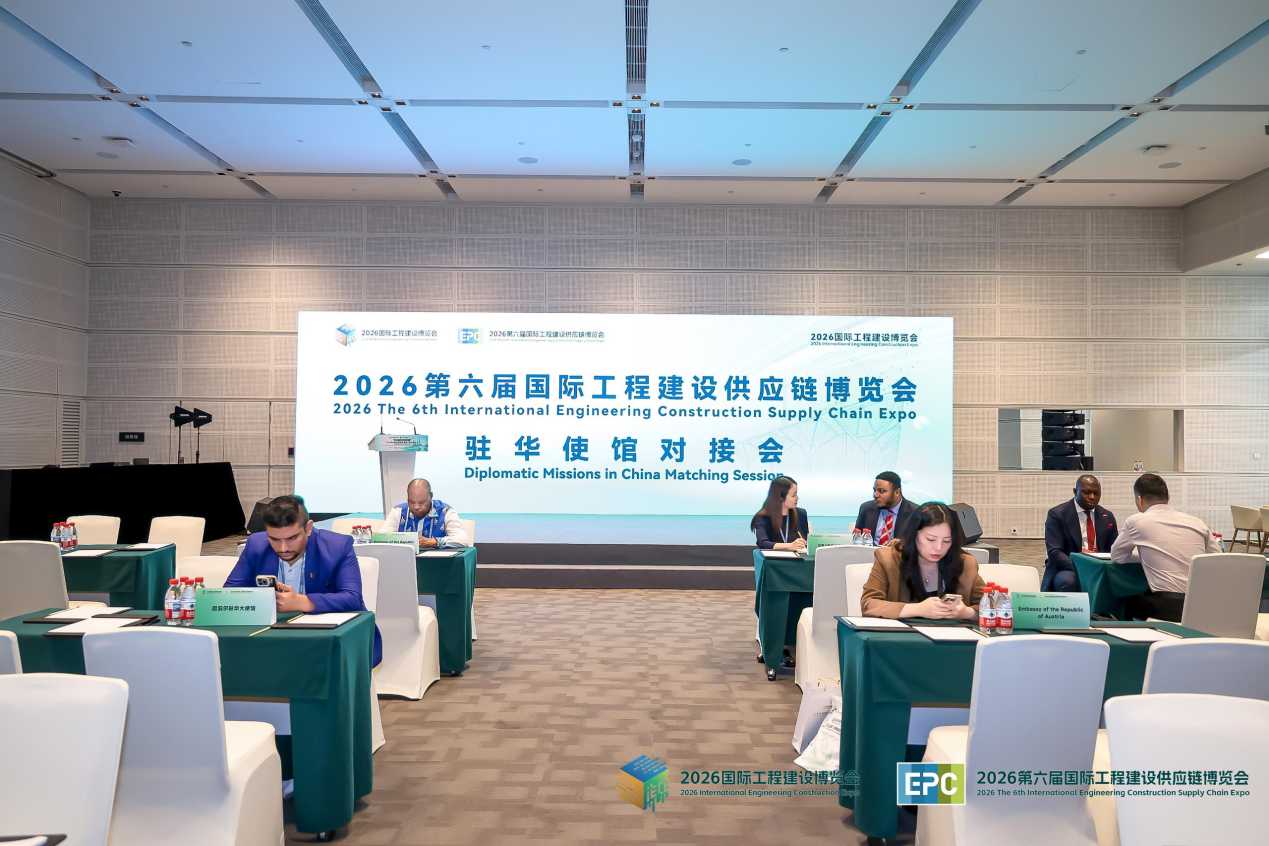
Higher supplier thresholds: international certifications become mandatory
Notably, this expo sent a clear signal: requirements for overseas project suppliers have risen significantly. Suppliers are now generally expected to hold international certifications (CE, ISO, Australian Standards, U.S. Standards, SNI, etc.), demonstrate export capabilities, showcase overseas project track records, and provide localized service support. Some projects even require proof of funding capacity or local registration. For example, the Papua New Guinea Star Mountain Plaza project mandates materials meeting Australian standard parameters and accompanying test reports, while Indonesian projects must comply with SNI certification. Guyana’s projects require direct factory sales or exclusive contact with factory‑appointed foreign trade personnel. This means that companies with international certifications, proven overseas performance, and localized service capabilities will enjoy a distinct advantage in the next wave of overseas expansion.
Platform empowerment: bridging the entire “demand–matching–implementation” chain
Breaking away from traditional exhibition models, this expo prioritizes pragmatic matchmaking and value creation, turning “viewing exhibits into negotiations” and “finding business opportunities on-site.” During the event, specialized sessions were held, including embassy‑led matchmaking meetings, central state‑owned enterprise general contractor coordination forums, investor‑owner liaison sessions, and professional subcontracting and sub‑contracting exchanges. Senior procurement officers from central SOEs, commercial attachés from various embassies in China, and exhibiting companies engaged in face-to-face discussions, delving deeply into practical topics such as subcontracting collaboration, centralized procurement of equipment and materials, and joint development of overseas projects.
During the conference, the China International Engineering Consulting Association’s Industrial Procurement Cloud Chain Platform—International Engineering Overseas Supplier Database was officially launched. Targeting engineering general contractors undertaking overseas projects, the platform aggregates high‑quality global suppliers of building materials and engineering services, standardizing and consolidating company information, overseas certification details, and production capacity data. Through intelligent search and screening, coupled with supplier profile assessments, it efficiently matches cross‑border supply and demand. Currently, the platform hosts over 1,200 enterprises with proven overseas performance and service capabilities, using data as a bridge, standards as support, and collaboration as the goal, transforming overseas procurement from “people seeking goods” to “data‑driven decision‑making,” and shifting from experience‑based choices to smart, algorithmic decisions.
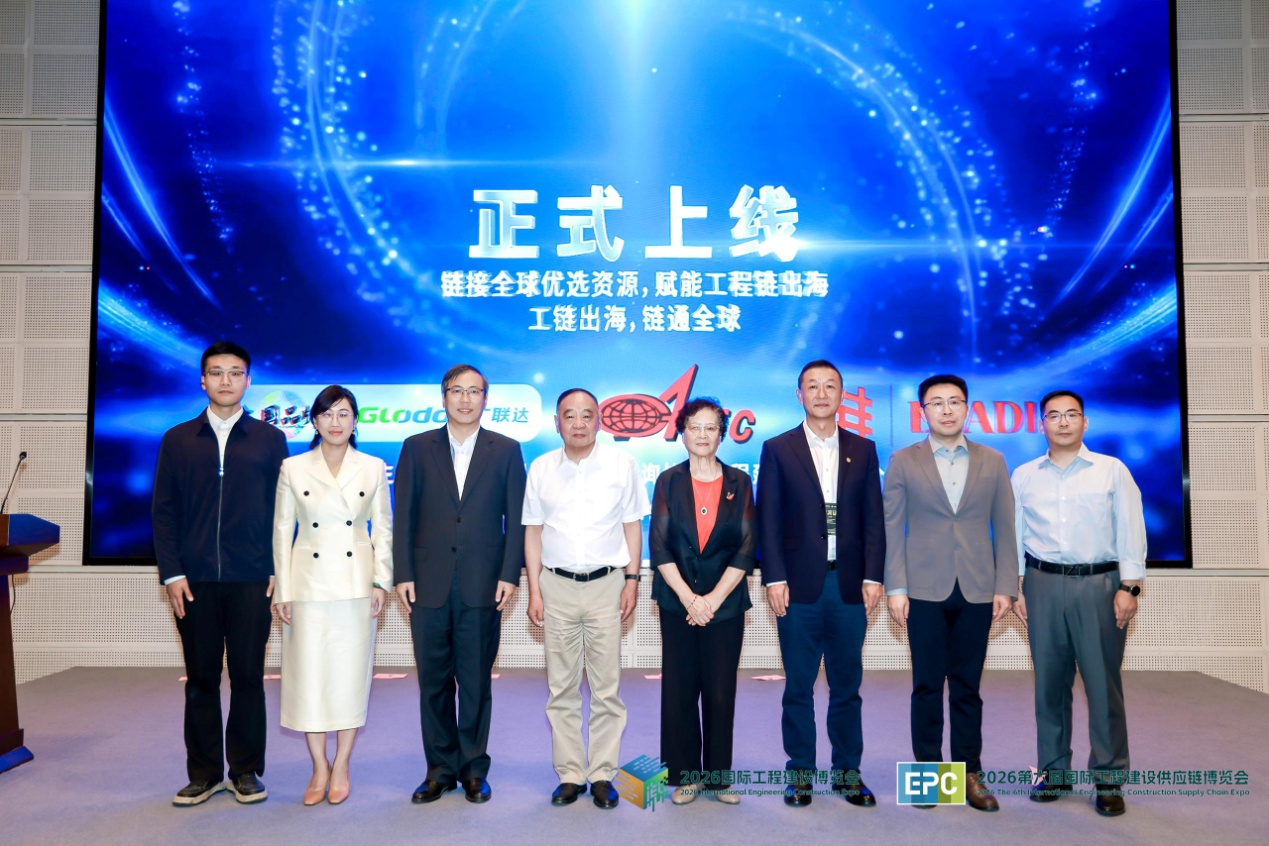
At present, the global supply chain landscape is undergoing profound adjustments. Chinese engineering firms venturing overseas face both broad opportunities and multifaceted risks. By leveraging procurement demand as a connecting thread, this expo links upstream and downstream segments of the industry chain, fosters dual circulation between domestic and international markets, and helps propel Chinese engineering technology, high-end equipment, green solutions, and comprehensive services onto the world stage. September 2027 will see the 7th International Engineering Construction Supply Chain Expo return to Tianjin, warmly inviting engineering supply-chain enterprises worldwide to join this grand event, share in the trillion‑yuan blue ocean of procurement, and jointly open new chapters of international cooperation.
(Data source: Statistics compiled by the Organizing Committee of the 6th International Engineering Construction Supply Chain Expo based on relevant matchmaking session data)
China Light
The official website of the China Association of Lighting Industry and a full-media platform for the lighting sector. We provide authoritative and timely lighting information while striving to be a growth partner for businesses. From brand promotion and channel expansion to consulting, talent training and participation in standards development, we provide comprehensive professional services to help businesses improve quality and efficiency and jointly advance the high-quality development of the lighting industry.
Business Contacts
仇纯 (Ms.): 158 6155 3579
顾君 (Mr.): 137 7157 5253