
Light, Life and Health | The 1st China Conference on Photobiology Successfully Held at Fudan University!
From May 23 to 25, 2026, the 1st China Conference on Photobiology (CCPB 2026) was successfully held at the Jiangwan Campus of Fudan University. The inaugural conference, themed "Light, Life and Health", focused on "Light-Eye-Skin: Decoding the Dialogue between Light and Life." It systematically presented the latest advances in the interdisciplinary integration of light science and life health, focusing on human ocular photobiology, skin photobiology, and ultraviolet photobiology. A special session on "CIE & China" was established to discuss international cooperation and China's contributions.
The conference was guided by the International Commission on Illumination (CIE), and jointly organized by the Chinese Anthropological Society, Beijing Electric Light Source Research Institute Co., Ltd., School of Life Sciences of Fudan University, and Huashan Hospital Affiliated to Fudan University. It was co-hosted by the Key Laboratory of Modern Anthropology of the Ministry of Education at Fudan University, the State Key Laboratory of Genetic Regulation of Complex Traits at Fudan University, Beijing Electric Light Source Testing and Certification Co., Ltd. (formerly National Electric Light Source Quality Supervision and Inspection Center (Beijing)), and Shanghai Anthropological Society, with support from the Shanghai Eye Disease Prevention and Control Center (Shanghai Eye Hospital), Shanghai Kedai Biotechnology Co., Ltd., and other units. More than 230 representatives from 145 entities registered to attend, including 47 universities and research institutes, 16 hospitals and clinical institutions, and 82 enterprises. Over 20 invited domestic and international experts and scholars from China (including Hong Kong, Macao, and Taiwan regions), Japan, Spain, the United Kingdom, Australia, and Poland gathered in Shanghai to discuss hot topics such as basic mechanisms of photobiology, technology translation, clinical applications, and standard construction.
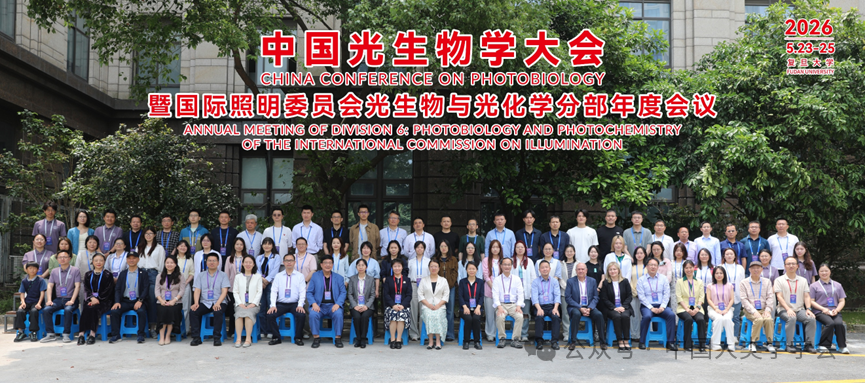
[China Light Media Editor-in-Chief Hong Bing Invited to Attend the Conference]
On the morning of May 23, the opening ceremony of the conference was held in Lecture Hall F of the School of Life Sciences at the Jiangwan Campus of Fudan University. Zhao Tianyu, Deputy Dean of the School of Life Sciences at Fudan University, first delivered a welcome address, warmly welcoming domestic and international guests attending the conference. Subsequently, Liu Qian, Assistant to the General Manager of Beijing Yiqing Research Institute Co., Ltd., Manager of Beijing Electric Light Source Research Institute Co., Ltd., and Manager of Beijing Electric Light Source Testing and Certification Co., Ltd., pointed out in her speech that photobiology and light health are the core engines for the high-quality development of the lighting industry and related industries. She stated that her institution, as a national-level standard and testing evaluation platform, will continue to safeguard industry-academia-research collaboration through scientific standards and authoritative testing, promote the practical application of photobiology achievements, and safeguard light environment safety and public health. Jennifer Veitch, President of the International Commission on Illumination (CIE), delivered a video address, congratulating the conference on behalf of the CIE and expressing expectations for closer international cooperation between Chinese scholars and the International Commission on Illumination in the fields of photobiology and photochemistry. Wang Jiucun, President of the Shanghai Anthropological Society, Director of the Plateau Health Research Center at Fudan University, and Professor at the School of Life Sciences at Fudan University, pointed out in his speech that photobiology is an important interdisciplinary direction connecting human health needs with frontier science and technology, featuring distinct disciplinary integration characteristics and broad development space. Zhang Wei, Director of the CIE Division 6 (Photobiology and Photochemistry), Leader in Charge of the Standardization Center at Beijing Electric Light Source Research Institute Co., Ltd., and Deputy Manager of Beijing Electric Light Source Testing and Certification Co., Ltd., delivered the opening address. In her speech, she expressed the hope to build the "China Photobiology Conference" into a platform for "joint construction, sharing, and win-win results" that gathers top wisdom and industrial strength in the field, thereby empowering domestic technological innovation and industrial upgrading, and systematically contributing Chinese wisdom to the international photobiology community. Finally, she wished the conference a complete success.
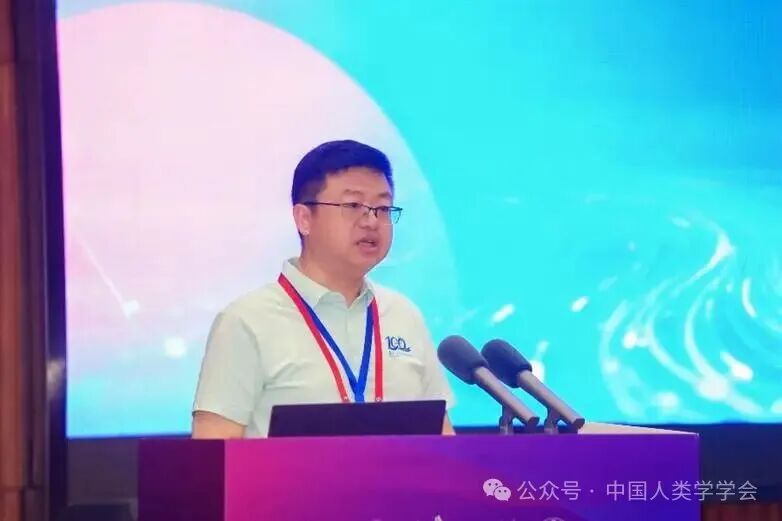
[Illustration: Zhao Tianyu, Deputy Dean of the School of Life Sciences at Fudan University, delivering the welcome address]
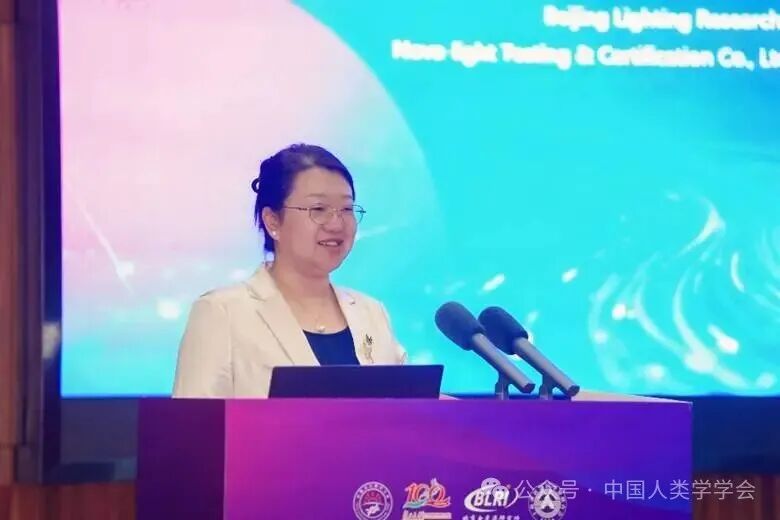
[Illustration: Liu Qian, Assistant to the General Manager of Beijing Yiqing Research Institute Co., Ltd., Manager of Beijing Electric Light Source Research Institute Co., Ltd., and Manager of Beijing Electric Light Source Testing and Certification Co., Ltd., delivering the address]

[Illustration: Address by CIE President Jennifer Veitch ]
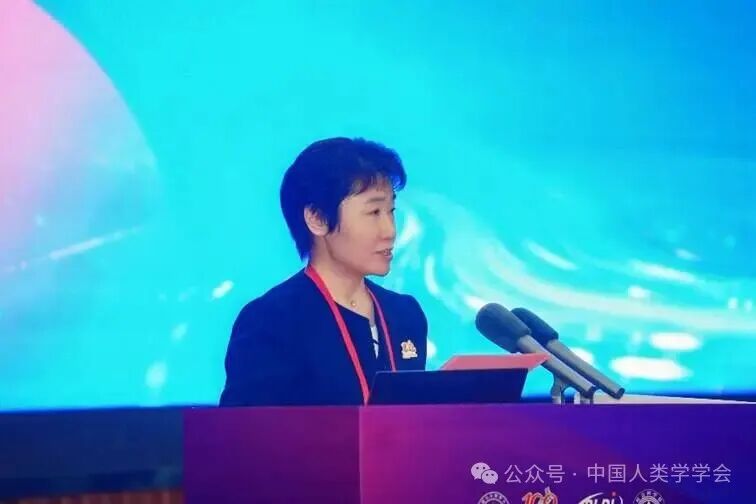
[Illustration: Address by Wang Jiucun, President of the Shanghai Anthropological Society, Director of the Fudan University Plateau Health Research Center, and Professor at the School of Life Sciences, Fudan University ]
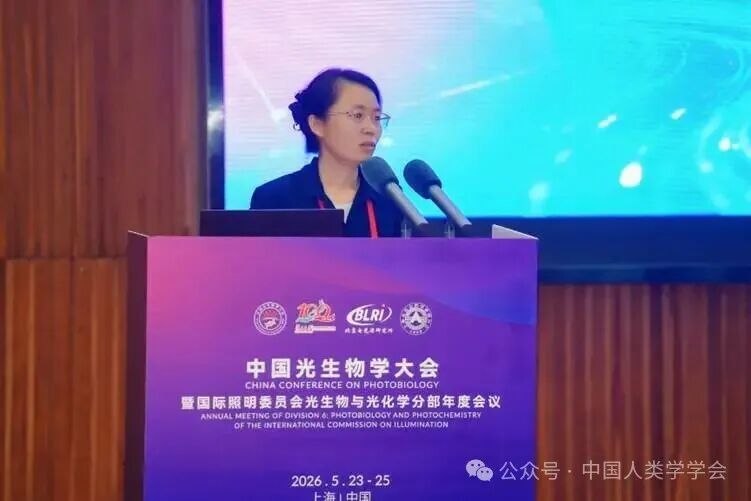
[Illustration: Opening address by Zhang Wei, Director of the CIE Division 6 (Photobiology and Photochemistry) CIE/D6, Executive in charge of the Standardization Center at Beijing Electric Light Source Research Institute Co., Ltd., and Deputy Manager of Beijing Electric Light Source Testing and Certification Co., Ltd. ]
Forum on Ocular Photobiology: From Light Perception to Neural Function, Expanding New Frontiers in Visual Health
The Forum on Ocular Photobiology held on the first day of the conference focused on light perception, circadian rhythm, neural circuits, cognitive function, visual restoration, and wellness lighting, showcasing the multi-level biological effects of light from "entering the eye" to "affecting the brain and behavior."
Human Photobiology Forum I: Light Regulation of Sleep and Neural Mechanisms from Eye to Brain
Professors Huang Zhili and Qu Weimin from the School of Basic Medical Sciences, Fudan University, presented on "Mechanisms and Applications of Light Regulation of Sleep." Starting from the key neural circuits of the sleep-wake rhythm, they outlined the core role of light signals in circadian rhythm and sleep regulation, and combined basic research with preclinical evidence to explore the application potential of light intervention in the prevention and treatment of sleep disorders, healthy lighting, and rhythm management. This report connects neurobiological mechanisms with real health needs, providing an important perspective for understanding "how light shapes sleep and behavior."
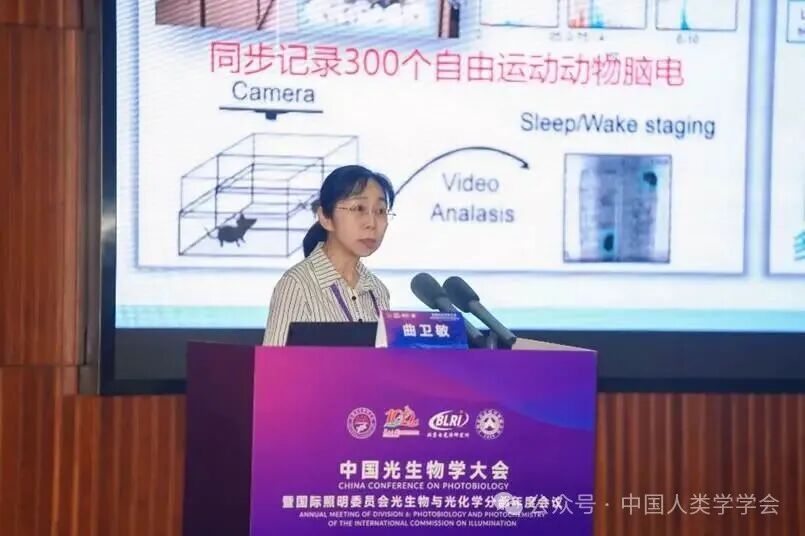
[Illustration: Keynote Report by Huang Zhili and Qu Weimin]
Subsequently, Professor Meng Jianjun from the Division of Life Sciences and Medicine at the University of Science and Technology of China presented on "Light and Life—Neural Circuits and Physiological Functions from Eye to Brain," discussing the fundamental significance of light signals in regulating non-visual neural functions; Professor Takao Motoharu from the School of Human and Informatics Sciences at Tokai University, Japan, presented on "Beyond Vision: How Intrinsically Photosensitive Retinal Ganglion Cells Trigger Photophobic Responses in Migraine," exploring the neural mechanisms between photophobic responses and migraine onset through intrinsically photosensitive retinal ganglion cells (ipRGCs).
[Illustration: Meng Jianjun Report]
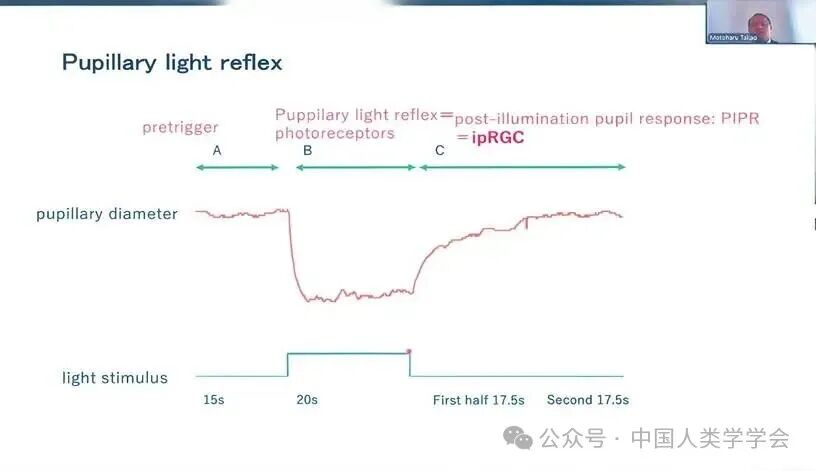
[Illustration: Takao Motoharu Report]
Human Ocular Photobiology Forum II : Spectrum, Display Terminals and Circadian Rhythm
David Baeza Moyano, Professor at San Pablo University in Spain, presented the report "Does the Color of Sunglass Lenses Affect the Biological Clock? The Impact of Melanopic Illuminance." By comparing different lens colors and spectral characteristics, he analyzed the potential impact of sunglass lenses on circadian rhythm regulation and proposed specific amendments to existing international standards for sunglasses. The report highlights that daily optical products not only affect visual comfort but may also alter non-visual photobiological effects through their spectral composition, providing new scientific basis for healthy lighting, lens design, and personalized light exposure management.
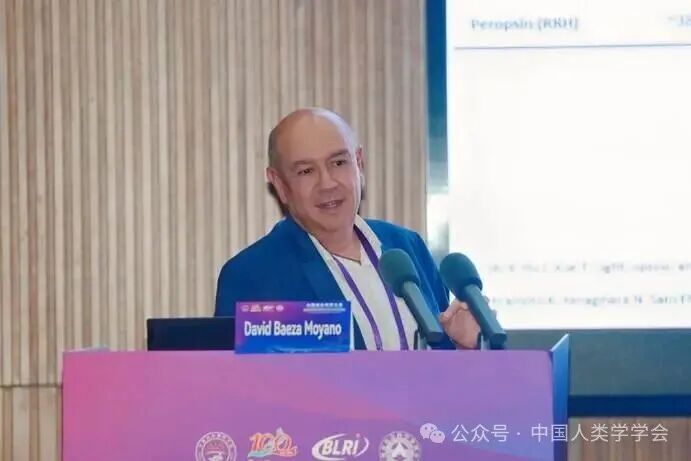
[Illustration: David Baeza Moyano Keynote Report]
Next, Professor Luo Ming from the College of Optical Science and Engineering at Zhejiang University focused on the impact of different backlight solutions for mobile display terminals on circadian rhythm regulation, visual fatigue, and cognitive status. Meanwhile, Professor Lin Yandan from the Academy for Intelligent Robotics and Advanced Manufacturing Innovation at Fudan University centered on the neural mechanisms and predictive models of light's influence on cognitive abilities, presenting evidence from brain functional connectivity. This provides new perspectives for the intersection of display technology, lighting design, and brain health research.
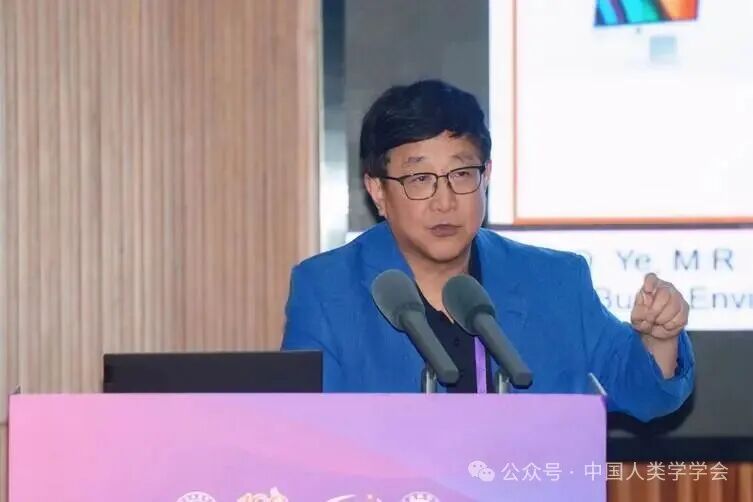
[Illustration: Luo Ming Report]
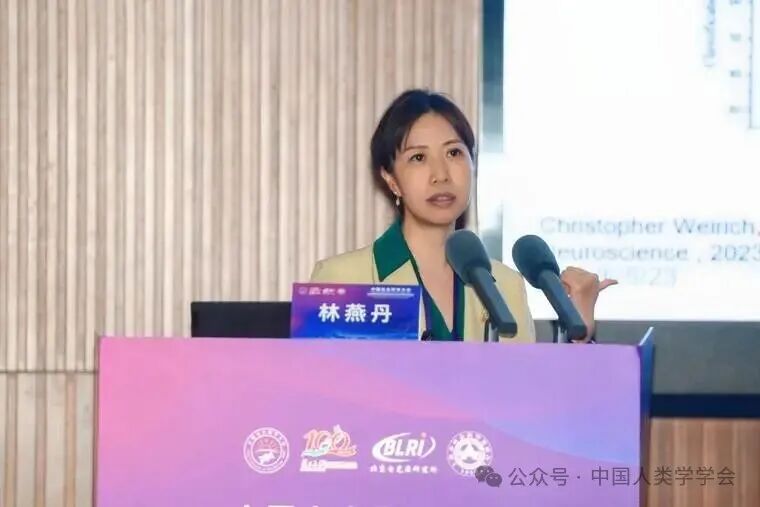
[Illustration: Lin Yandan Report]
Human Ocular Photobiology Forum III: Visual Restoration, Myopia Research, and Individual Differences
Researcher Zhang Jiayi from the Institute of Brain Science at Fudan University systematically introduced cutting-edge pathways for reconstructing and expanding visual function in populations with visual impairment, under the title "Seeing the World with Blind Eyes: Visual Restoration and Expansion." The report demonstrated the potential of optics, neuroscience, and translational medicine working synergistically to promote visual restoration, starting from perspectives such as photoreception and information encoding, while also presenting imaginative possibilities for the future development of visual enhancement technologies.
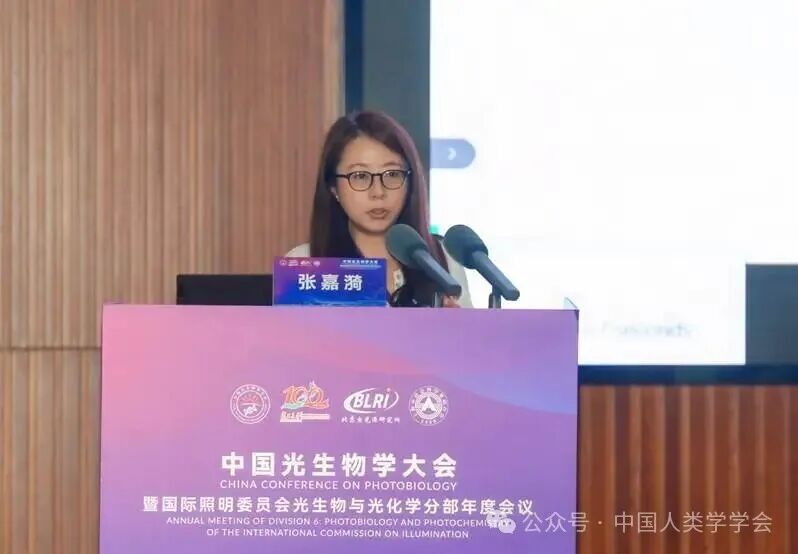
[Illustration: Zhang Jiayi Keynote Report]
Dr. Wang Ning, Associate Chief Physician at the Shanghai Eye Disease Prevention and Treatment Center, shared advances in light environments and myopia prevention and control in his presentation "Light and Myopia Research," proposing a combined prevention and control strategy of outdoor activity duration plus exercise. Hou Dandan, a postdoctoral fellow at the Institute of Human Phenome, Fudan University, discussed the influence of environmental and genetic characteristics on individual differences in human ocular photobiological responses in her presentation "Study on Individual Differences in Human Ocular Photobiological Responses Based on Typical Light Climate Zones in China," providing a personalized perspective for light health research among populations in different light climate zones across China.
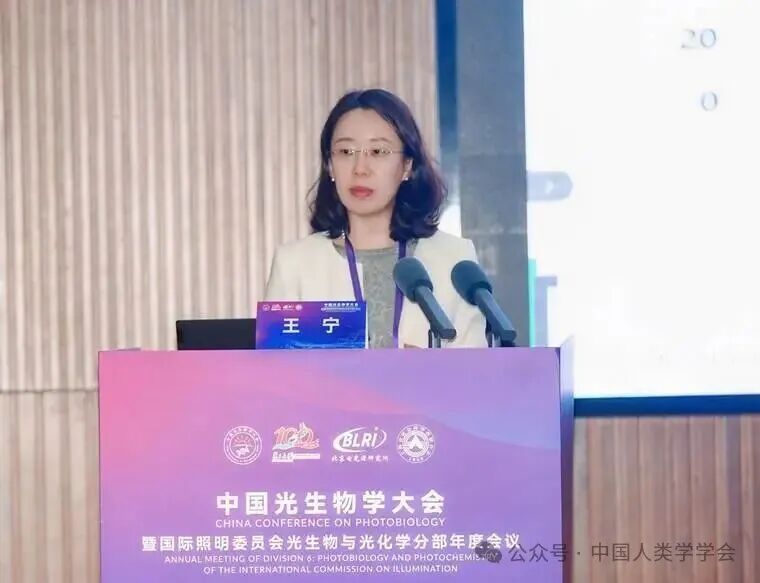
[Illustration: Wang Ning Report]
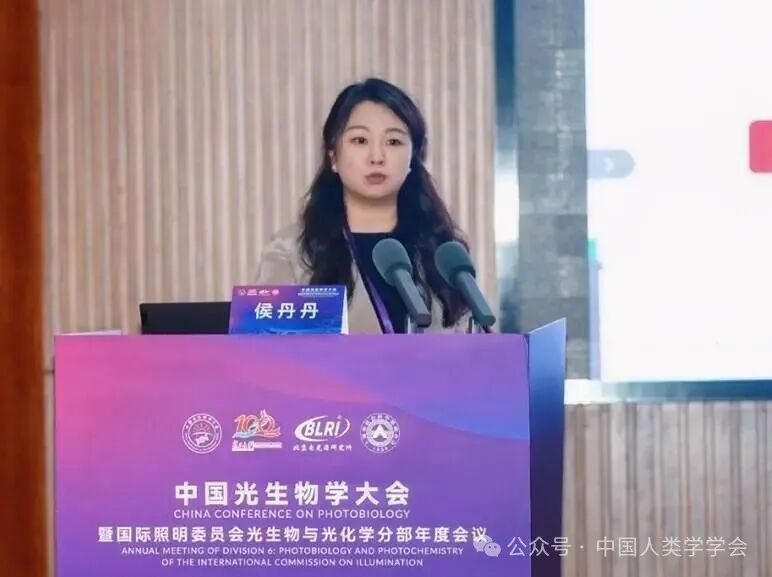
[Illustration: Hou Dandan Report]
人眼光生物学论坛 IV:光闪烁、神经疾病与康养空间
Professor Chen Jiangfan, jointly appointed by Wenzhou Medical University and Oujiang Laboratory, delivered a report titled "40Hz Light Flicker: Adenosine Hypothesis and Prospects for Translational Application." Starting from the regulation of neural network activity and adenosine signaling by 40Hz light stimulation, he elaborated on the potential mechanisms of flicker intervention in neural functions and discussed its prospects for translational application in neurodegenerative diseases. The report took controllable and translatable light stimulation paradigms as an entry point, providing new scientific directions for light modulation of brain function and intervention in brain diseases.
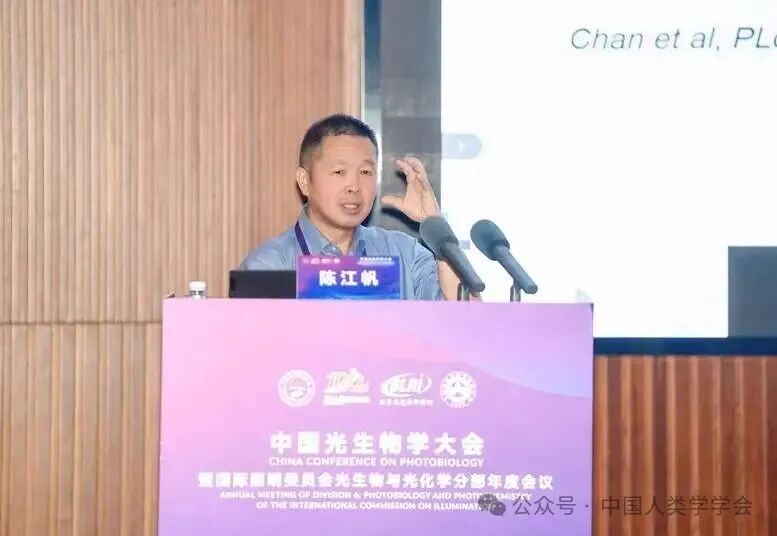
[Illustration: Chen Jiangfan Keynote Report]
Shen Yun, Associate Chief Physician of the Department of Neurology at the Second Affiliated Hospital of Soochow University, delivered a report on "Lighting and Nervous System Diseases." Wang Tongyue, Assistant Researcher at the Yangzhi Rehabilitation Hospital affiliated with Tongji University, introduced "Research on Healing Lighting in Health and Wellness Spaces Based on Rhythm Repair and Cognitive Improvement," jointly presenting the application potential of lighting in nervous system disease management, rehabilitation medicine, and healthy space design.
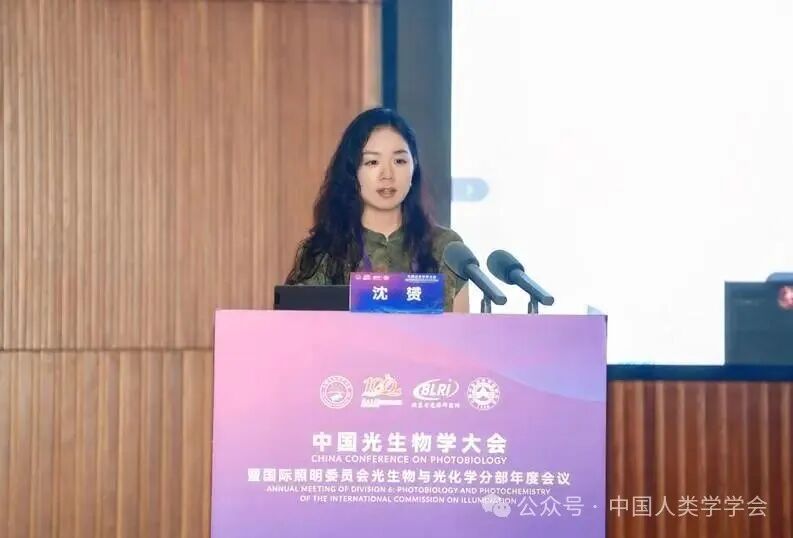
[Illustration: Shen Yun Report]
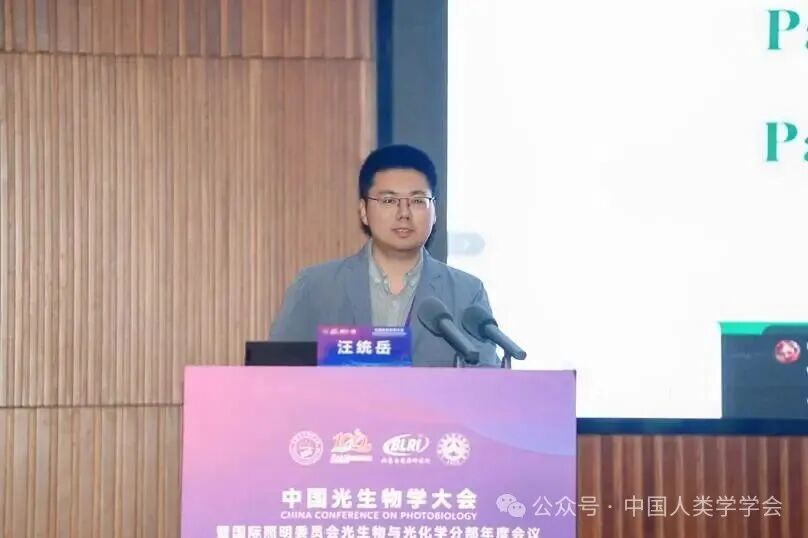
[Illustration: Wang Tongyue Report]
Photobiology Interdisciplinary Development Forum: Building Disciplinary Consensus, Planning for the Future
Academician of the Chinese Academy of Sciences and Professor at Fudan University, Jin Li, delivered a keynote address at the conference, introducing the developmental value of photobiology as an interdisciplinary field intersecting life sciences, medicine, optical engineering, public health, and standardization systems. The report emphasized that, addressing major demands for human health, photobiology needs to form a closed loop among basic mechanism research, technology platform construction, clinical scenario validation, and international standard coordination.
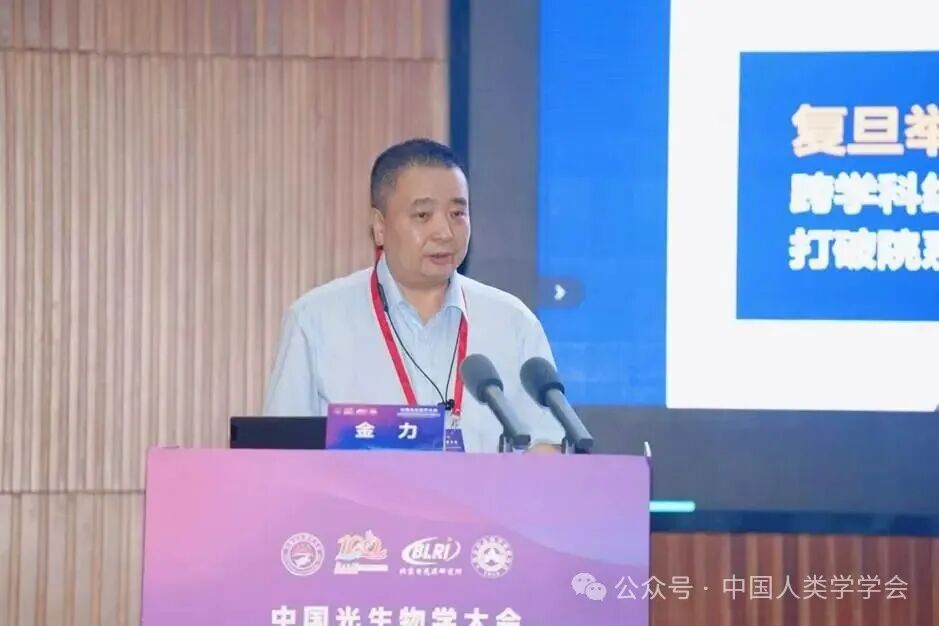
[Illustration: Jin Li Keynote Report]
In the subsequent roundtable forum, moderator Zhang Wei and five experts—Luo Ming, Chen Jiangfan, Meng Jianjun, Zhang Shanduan, and Wang Jiucun—engaged in an in-depth and productive dialogue centered on three major topics: breakthrough discoveries in photobiology in recent years, practical obstacles to translating scientific achievements into the market, and the platform role that the "China Photobiology Conference" should play. The experts shared frontier advances in fields ranging from visual science and neuromodulation to light source technology and skin phenomics, and unanimously agreed that the core bottlenecks currently hindering achievement translation lie in the lack of interdisciplinary validation systems, unified application standards, and the information gap between industry, academia, and research. Based on this consensus, the experts pointed out that the fundamental value of the establishment of this conference and its future ongoing work lies in building an authoritative and neutral collaborative platform. This platform should not only promote exchange through annual meetings but also systematically break down cooperation barriers through long-term measures such as organizing thematic salons, promoting the standardization of research data and reports, and closely connecting clinical needs with industry resources, thereby providing indispensable infrastructure and driving force for Chinese photobiology to move from "scattered" basic research to "systematic" innovative applications.
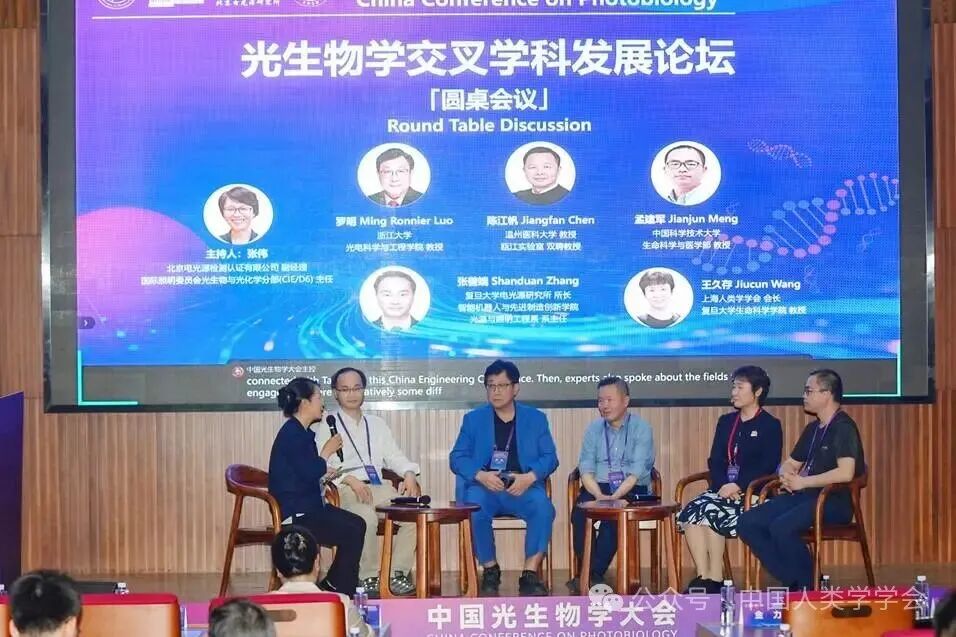
[Illustration: Roundtable Forum Scene]
Skin Photobiology Forum: Focusing on Photo-damage, Photo-protection, and Photodynamic Therapy
The Skin Photobiology Forum held on the morning of May 24 connected basic mechanisms, clinical treatments, skin protection, and imaging technologies, facilitating in-depth exchanges on the application of optical technologies in light and skin tumors, inflammatory skin diseases, sun protection efficacy, blue light damage, and the diagnosis and treatment of chronic diseases.
Skin Photobiology Forum I: Photodynamic Therapy and Skin Cancer Prevention
Zhang Guolong, Deputy Director of Shanghai Skin Disease Hospital and Chief Physician of the Department of Photomedicine, delivered a report titled "Basics and Clinical Applications of ALA-Photodynamic Therapy for Cutaneous Squamous Cell Carcinoma," systematically introducing the principles of photosensitizers, the mechanism of photodynamic killing, clinical treatment processes, and efficacy observations, demonstrating the significant value of photodynamic technology in the precise treatment of skin tumors. Guided by clinical needs, the report combined photobiological mechanisms with standardized diagnostic and therapeutic practices, reflecting the translational potential of photomedicine technologies in the treatment of skin tumors.
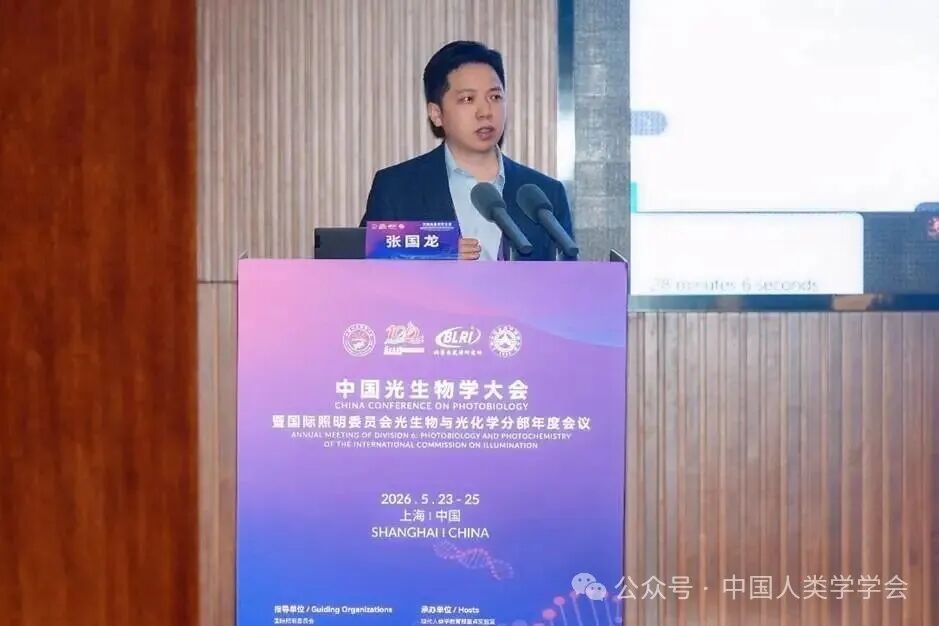
【Illustration: Zhang Guolong Keynote Report】
Craig Sinclair, Director of the Cancer Prevention Centre at the Cancer Council Victoria, Australia, Chief Investigator at the WHO Collaborating Centre for Ultraviolet Radiation, and Chair of the WHO International Advisory Committee on Optical Radiation, presented a report titled "Review of 40 Years of Skin Cancer Prevention Work: What Have We Achieved? Where Do We Go From Here?", reviewing long-term experience in skin cancer prevention and control; meanwhile, Associate Chief Physician Gu Chaoying from the Department of Dermatology at Huashan Hospital Affiliated to Fudan University reported on "Light and Atopic Dermatitis: From Photosensitive Phenotypes to OPN3-Mediated Inflammatory Amplification Mechanisms", demonstrating the association between light exposure, photosensitive phenotypes, and the mechanisms of inflammatory skin diseases.
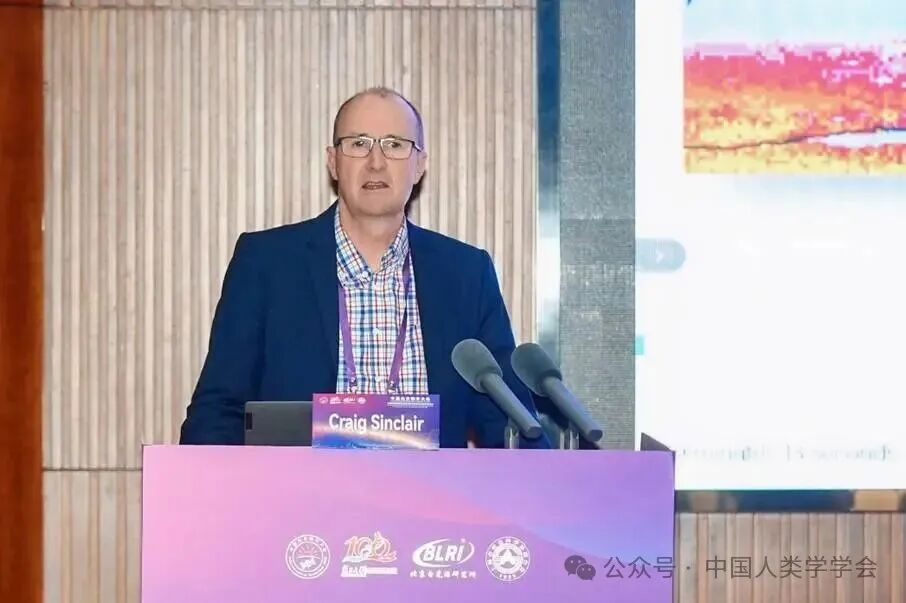
[Illustration: Craig Sinclair Report]
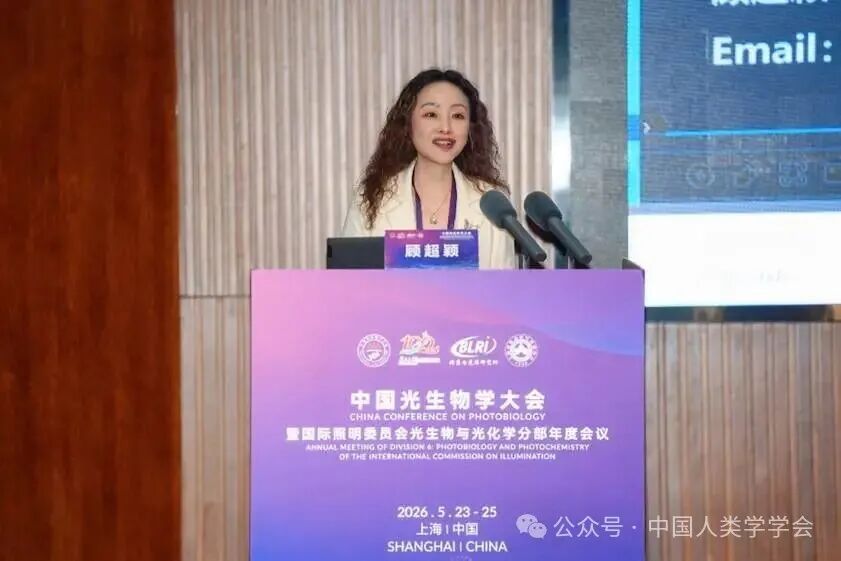
[Illustration: Gu ChaoyingReport]
Skin Photobiology Forum II: Skin Imaging, UV Protection and Blue Light Damage
Professor of Colour and Imaging Science at the School of Design, University of Leeds, UK, and Director of the CIE Division of Vision and Colour, Xiao Kada, delivered a report titled "Development of Imaging Systems for Skin Reflectance Measurement and Appearance Prediction". Drawing on his long-term research in colour and imaging science, he introduced progress in the development of imaging systems for skin reflectance measurement and appearance prediction. The report demonstrated how quantitative imaging methods can link skin optical properties, appearance evaluation, and application scenarios, providing new engineering tools for medical assessment, cosmetics R&D, display imaging, and personalized skin research.
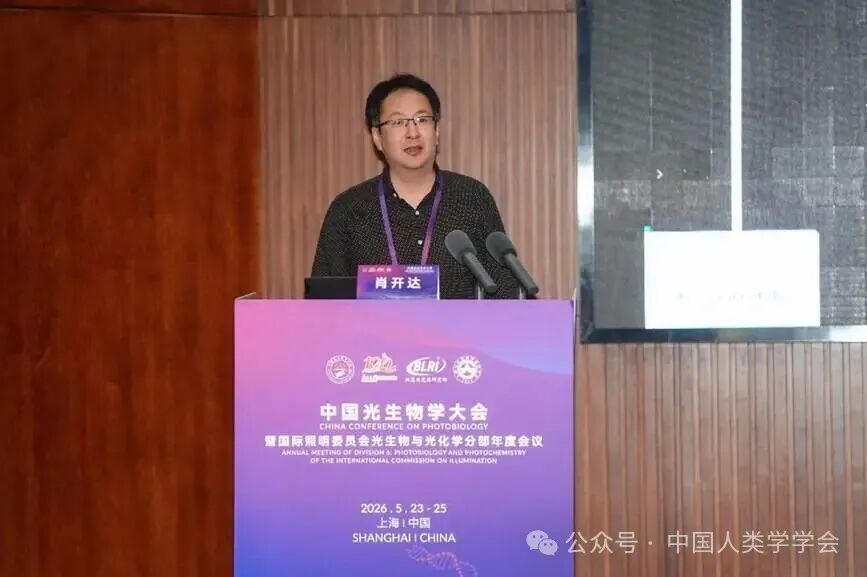
[Illustration: Xiao KadaKeynote Report]
Director Tan Yimei of the Dermatology and Cosmetics Research Laboratory at Shanghai Skin Disease Hospital presented a report on factors influencing the Minimal Erythema Dose (MED) of ultraviolet radiation in the Chinese population and advances in sun protection efficacy research; Director Cui Jinjiang of the Rehabilitation and Therapy Research Laboratory at the Suzhou Institute of Biomedical Engineering and Technology, Chinese Academy of Sciences, introduced research on the application of optical technologies in the diagnosis and treatment of chronic diseases; Young Researcher Ma Yanyun from the College of Biomedical Engineering and Technological Innovation at Fudan University focused on the phenotypic characteristics and mechanisms of blue light-induced skin damage, further expanding the application boundaries of cutaneous photobiology in protection, diagnosis, treatment, and mechanistic studies.
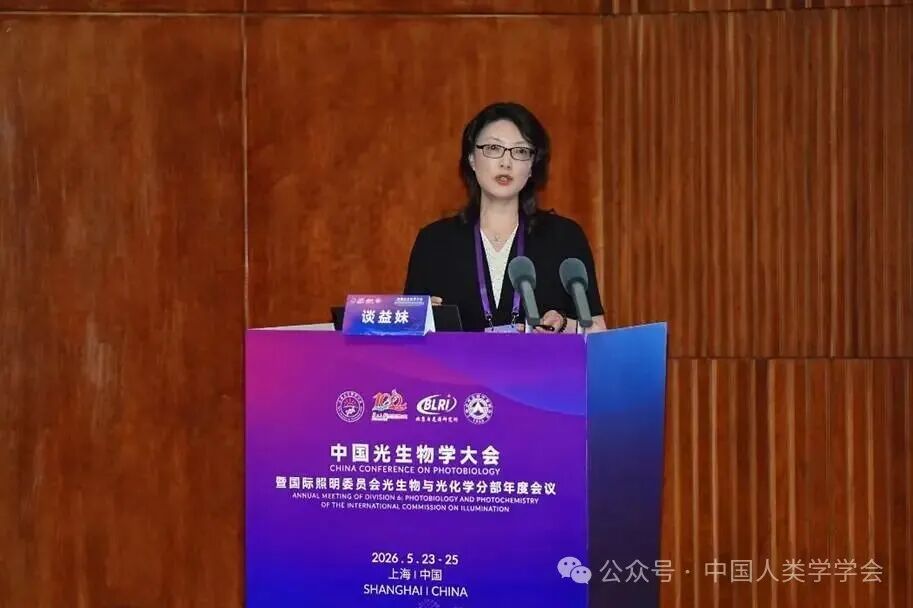
[Illustration: Tan Yimei Report]
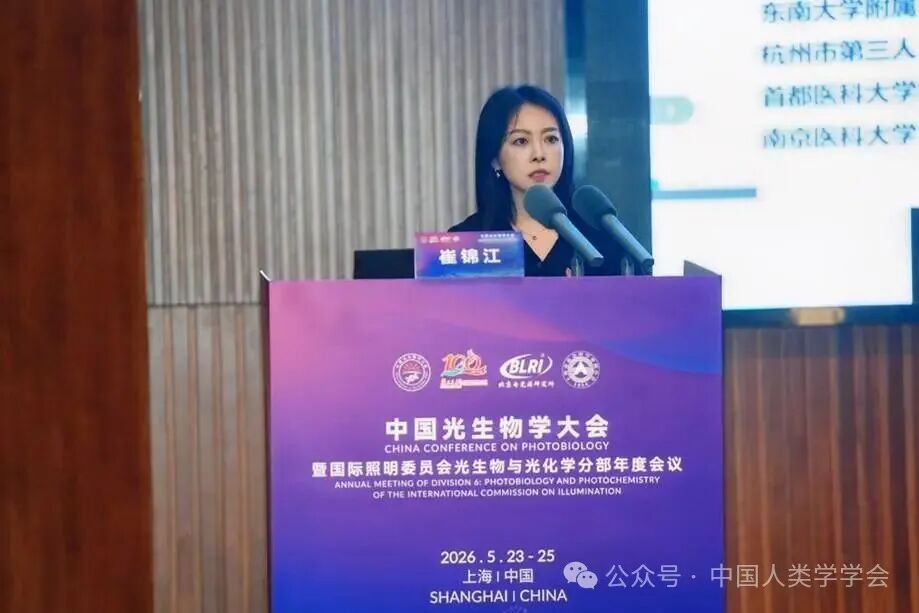
[Illustration: Cui Jinjiang Report]
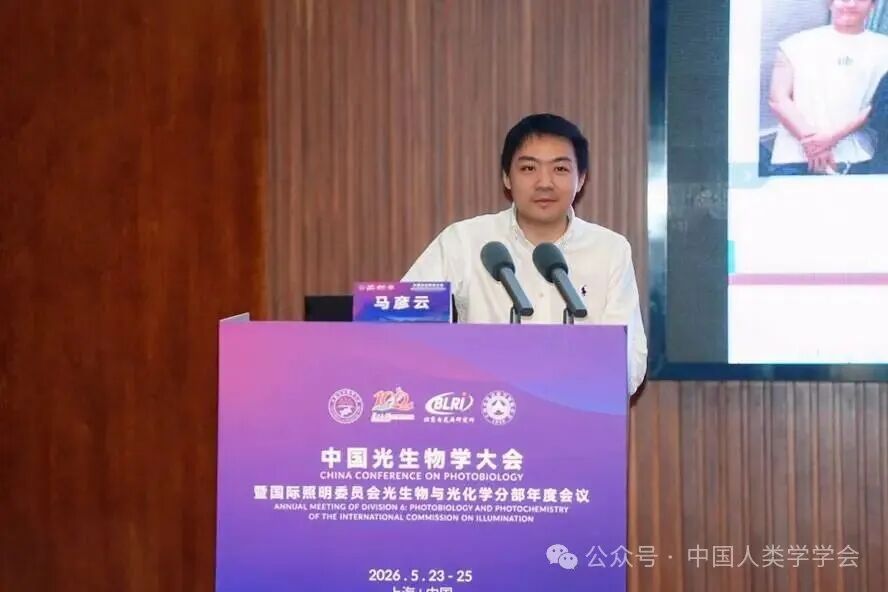
[Illustration: Ma Yanyun Report]
Ultraviolet Photobiology Forum and CIE Special Topic: From Light Source Technology to International Standards
On the afternoon of May 24, the Ultraviolet Light Biology Forum focused on discharge UV light sources, deep UV LEDs, surface disinfection, and infection prevention and control applications, further promoting dialogue among light source engineering, public health, and photobiological effect research.
Professor Zhang Shanduan, Director of the Electric Light Source Institute at Fudan University and Head of the Department of Light Sources and Lighting Engineering at the School of Intelligent Robotics and Advanced Manufacturing Innovation, delivered a report titled "Characteristics of UV Light Sources and Their Photobiological Applications." He systematically introduced the spectral characteristics, irradiation parameters, and photobiological applications of different types of UV light sources. Combining the needs of disinfection and prevention, ecological regulation, and health and safety, he analyzed the opportunities and challenges of UV light source technology in the field of life and health. The report emphasized that photobiological applications of UV light require not only high-performance light sources and precise dose control but also coordinated advancement with safety evaluation, application scenarios, and standard specifications.
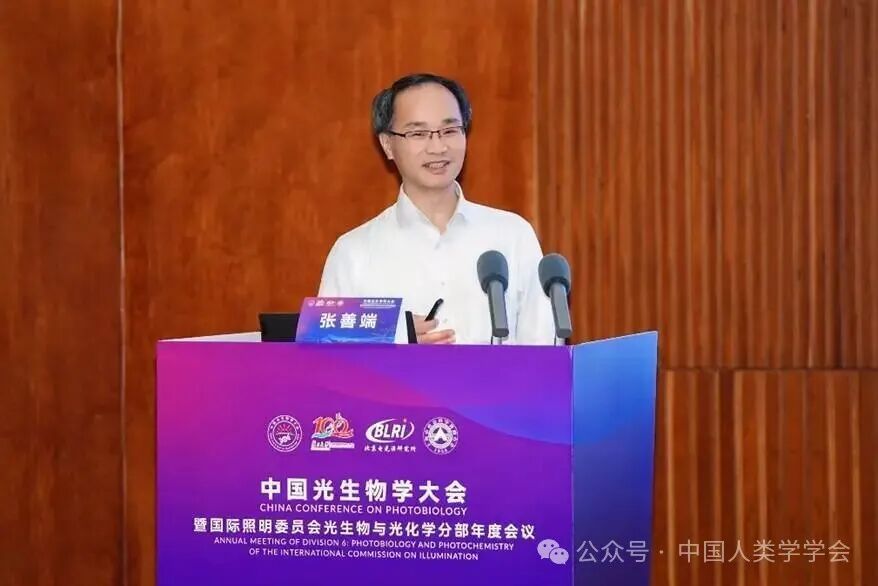
[Illustration: Zhang Shanduan Keynote Report]
Professor Urszula Błaszczak from Bialystok University of Technology in Poland shared insights on the exploration of sustainable UV surface disinfection devices; Researcher Wang Junxi from the Institute of Semiconductors, Chinese Academy of Sciences, introduced research on AlGaN-based deep UV LEDs and their sterilization applications; Director Gao Xiaodong from the Infection Management Department of Zhongshan Hospital affiliated with Fudan University introduced the application of UV disinfection technology in the field of infection prevention and control from the perspective of hospital infection management.
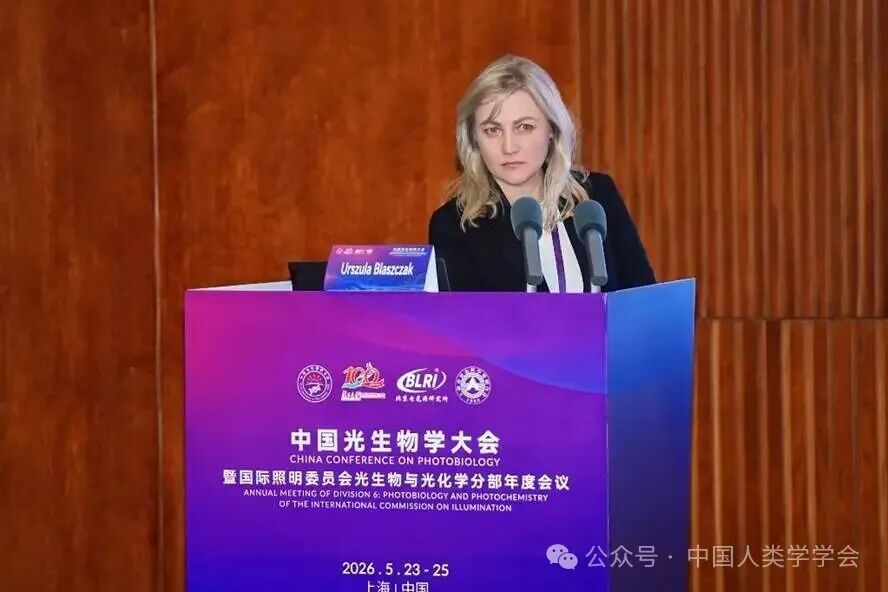
[Illustration:Urszula Błaszczak Report]
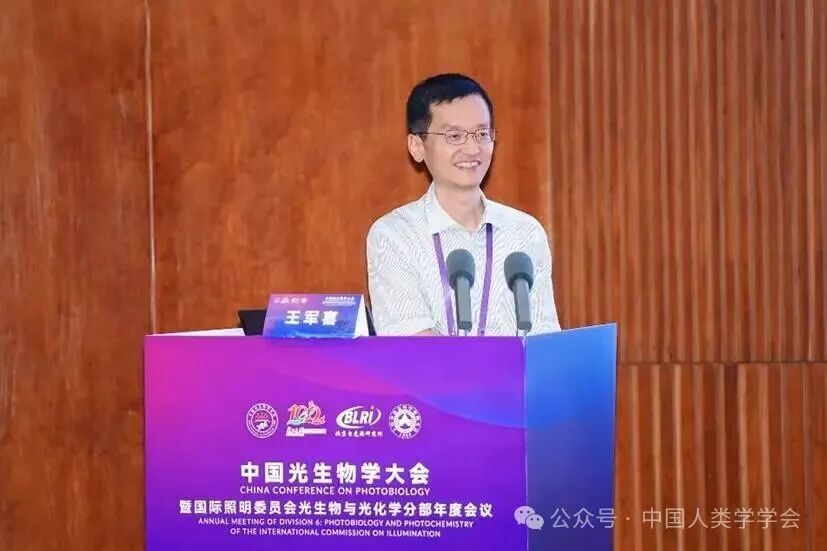
[Illustration: Wang Junxi Report]
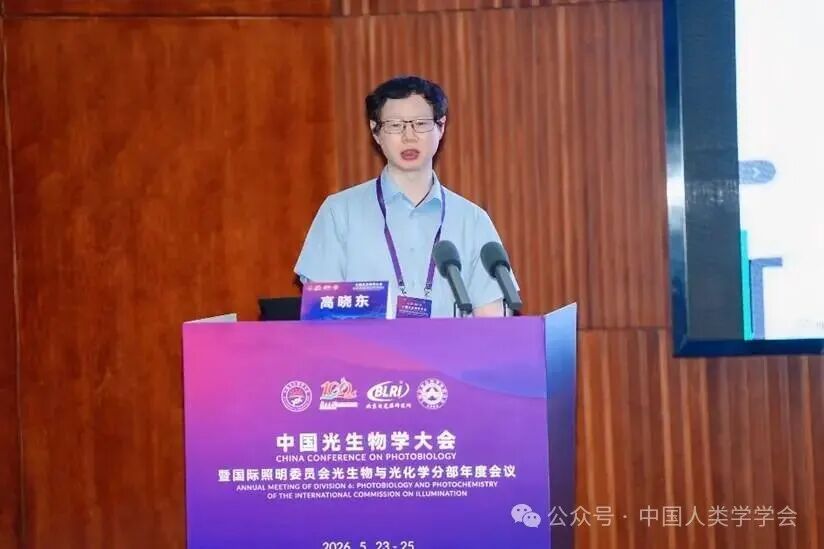
[Illustration: Gao Xiaodong Report]
During the subsequent "CIE & China" special interactive session, Wei Minchen, Vice President of the International Commission on Illumination (CIE), introduced the history, organizational structure, and global influence of the CIE. Zhang Wei, Director of the CIE Division 6 (Photobiology and Photochemistry), further elaborated on the scope, activities, and participation methods of CIE D6. This session built a communication bridge for Chinese scholars and the Industry to deeply engage in international work in the field of photobiology.
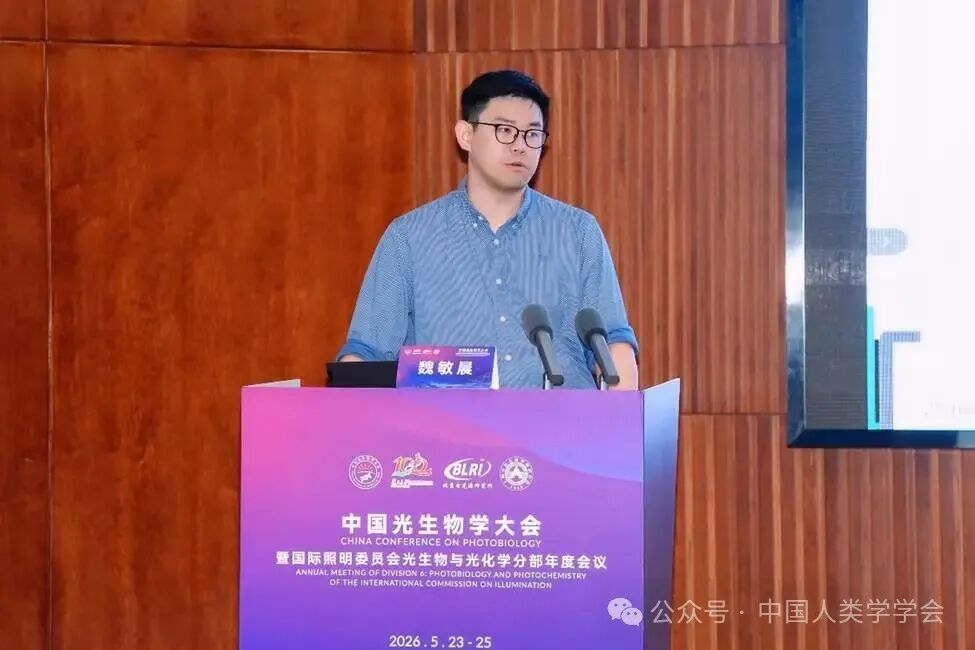
[Illustration: Wei Minchen Report]
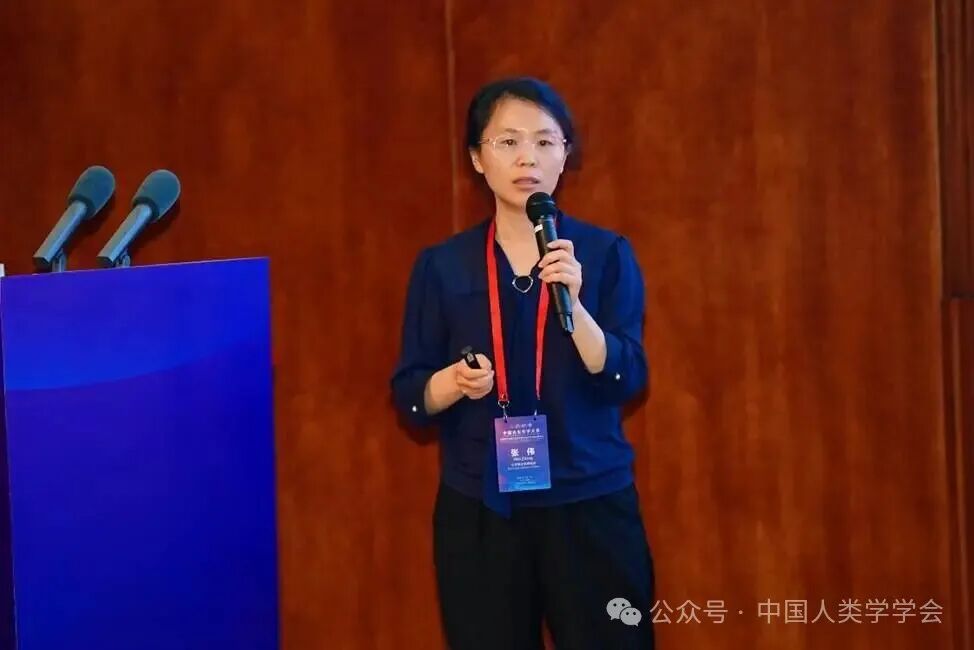
[Illustration: Zhang Wei Report]
Lively on-site exchanges jointly mapped out the blueprint for the development of photobiology
During the conference, there was enthusiastic exchange at the report sessions. Attendees discussed topics such as light regulation of sleep and cognition, spectrum and circadian rhythms, visual restoration, skin photodamage and photoprotection, photodynamic therapy, UV disinfection, and international standards. In-depth interdisciplinary, inter-institutional, and cross-border exchanges built a closer bridge between basic research in photobiology and clinical translation.
With light as the medium and health as the goal, this conference showcased the broad potential of light science in visual health, neuromodulation, skin protection, public health, smart lighting, and wellness spaces. The successful holding of the conference not only provided a high-level academic exchange platform for the field of photobiology in China, but also injected new momentum into future innovations in light health technology, standard system construction, and international cooperation. We look forward to more researchers, clinical experts, and industry partners taking this conference as a starting point to deepen cooperation and jointly promote light science for human health. Zhang Wei, Co-Chair of the Conference, delivered remarks at the closing ceremony, expressing congratulations on the successful holding of the conference and confidence in the regular hosting of the Chinese Photobiology Conference in the future, and also announced that the next conference is scheduled to be held in July 2027.
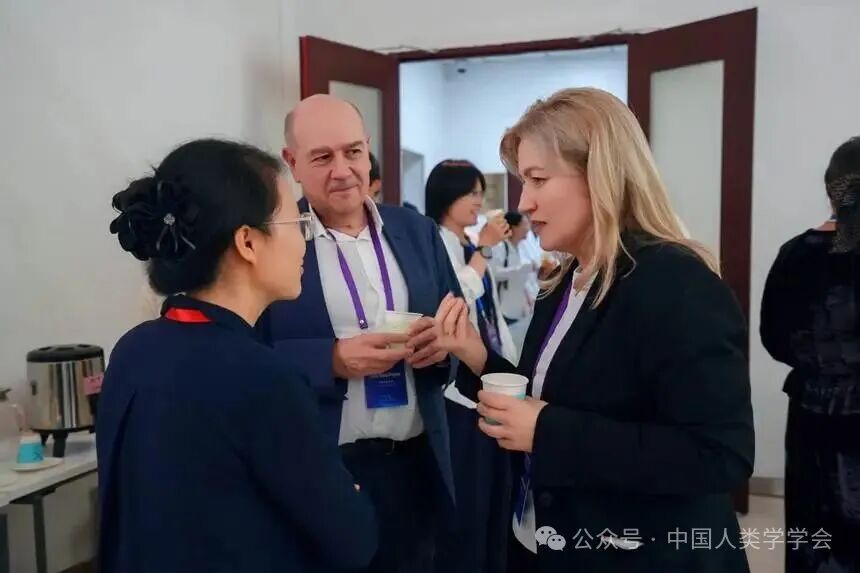
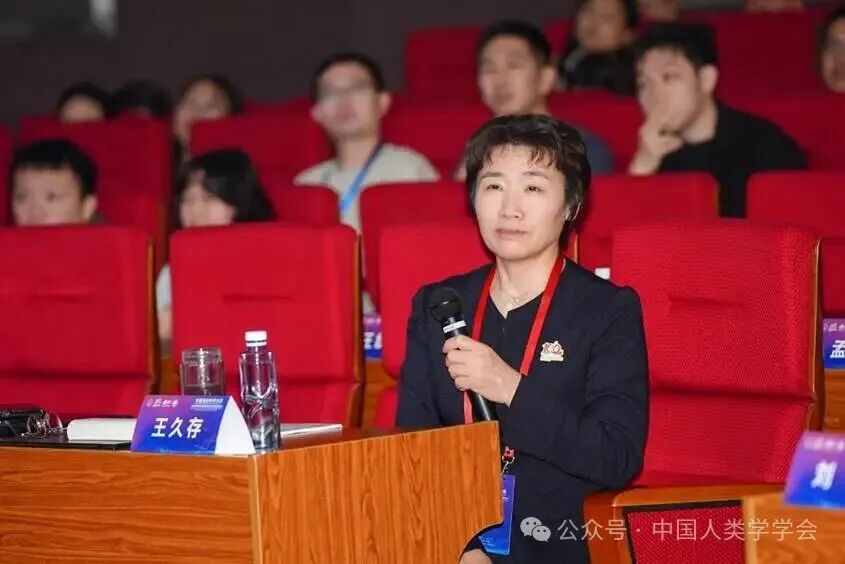
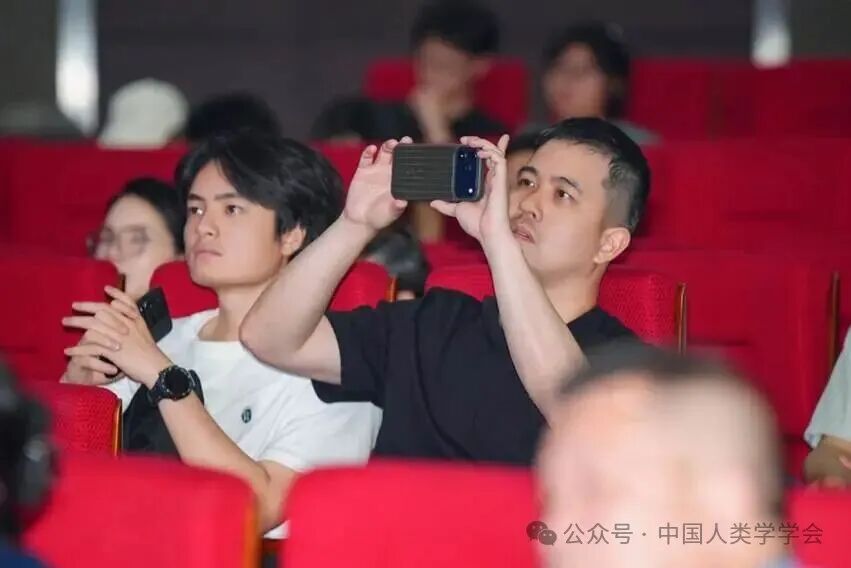
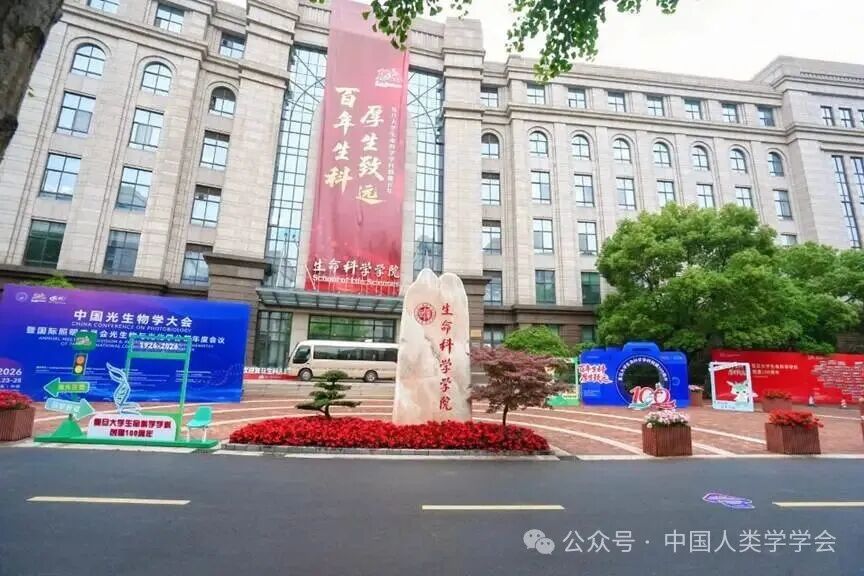
[Illustration: Venue Exchange]
CIE D6Annual Meeting: Deepening International Collaboration, Advancing Standards in Photobiology and Photochemistry
On the afternoon of May 25, the annual meeting of the International Commission on Illumination Division 6 (CIE D6) on Photobiology and Photochemistry was held in Conference Room A208 of the School of Life Sciences at Fudan University. The attending experts first visited the Optical Laboratory and Biological Laboratory of Fudan University to learn about the construction of ultraviolet light sources and cross-scale photobiology experimental platforms (cells, animals, humans) at Fudan University. Subsequently, at the CIE D6 annual meeting, representatives focused on exchanges regarding the progress of working group projects, the status of related liaison organizations, strategic planning, and new project proposals. Based on the research achievements of Chinese experts and scholars, work themes such as the impact of long-term light exposure on high-altitude populations and follow-up work based on the melanopic response curve (CIE S 026, GB/T 46119) were proposed, receiving positive feedback.
This meeting further strengthened communication and collaboration between Chinese research institutions and the Industry with the International Commission on Illumination, and also laid a new foundation for cooperation in photobiological safety, photochemical mechanisms, Healthy lighting, ultraviolet applications, and related standard development.
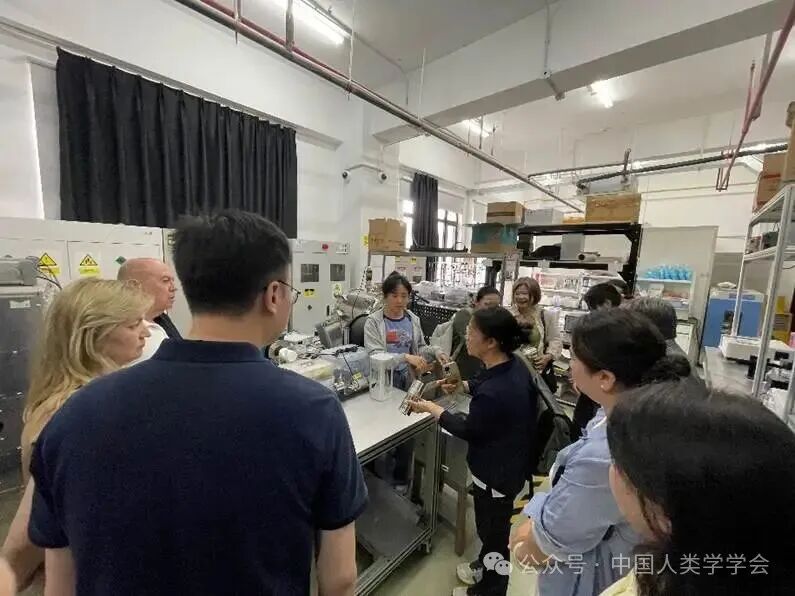
[Illustration: Visit to the Ultraviolet Light Source Laboratory of Fudan University]
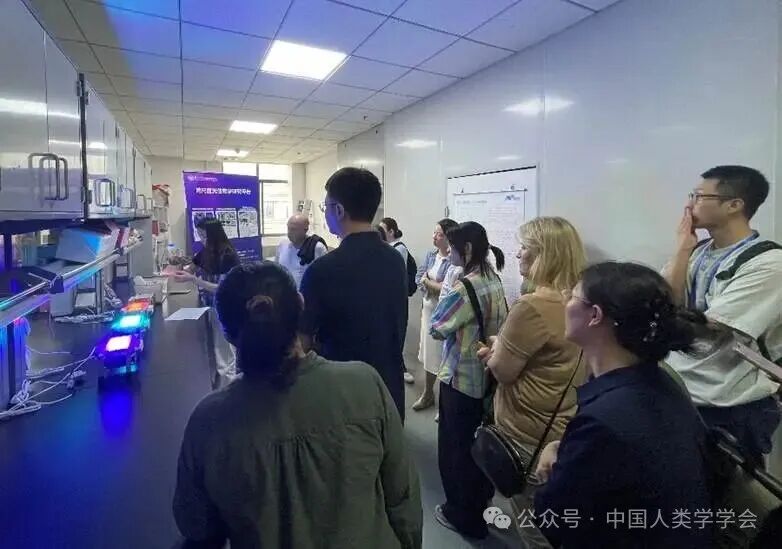
[Illustration: Visit to the Cross-Scale Photobiology Laboratory of Fudan University]
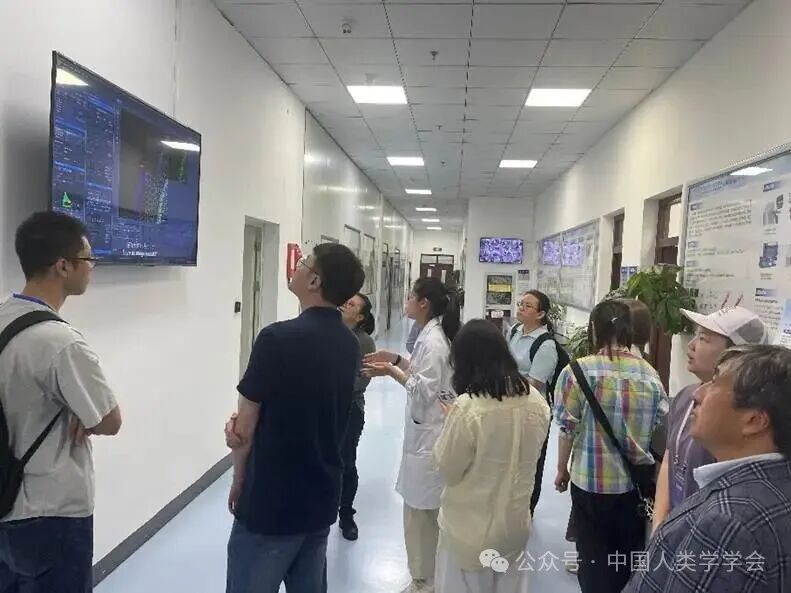
[Illustration: Visit to the Large Instrument Platform of the State Key Laboratory of Genetic Regulation of Complex Traits at Fudan University]
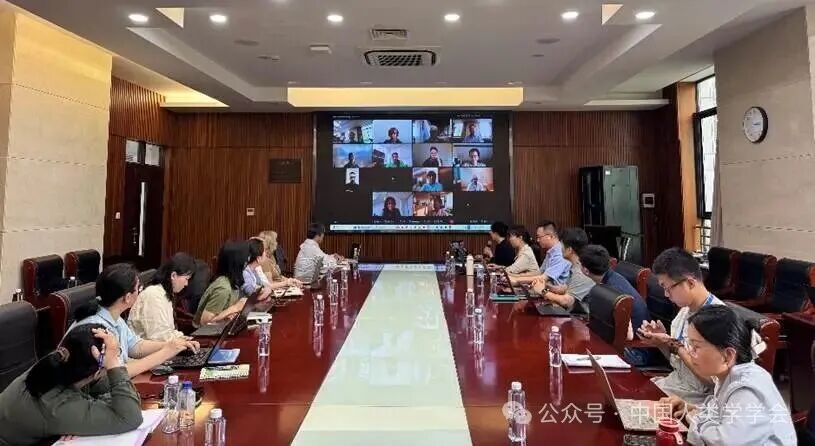
[Illustration: CIE D6 Annual Conference Scene]
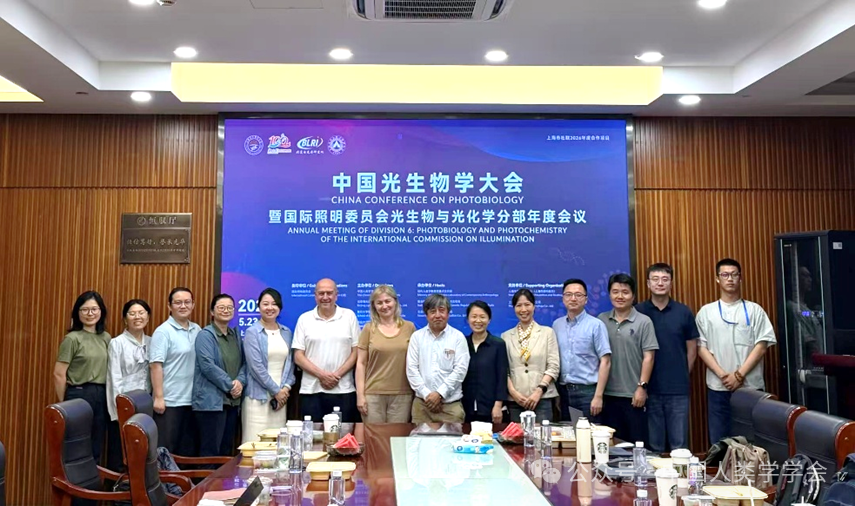
[Illustration: Group Photo of Post-Conference Networking at CIE D6 Annual Conference]
Source: Chinese Anthropological Society