
New Opportunities! Lu Yan: AI + Low-Altitude Economy, Reshaping the Smart City Lighting Ecosystem
On February 11, the Fudan Light Salon was successfully launched, guided by the Fudan University Alumni Association Lighting Classmates Club, hosted by China Light Network · Ming Classroom, and supported by Zhejiang Qicheng Electric Appliance Co., Ltd.
This salon invited Ms. Lu Yan, a Fudan alumna, to share her insights, moderated by Hong Bing, Secretary-General of the Fudan University Alumni Association Lighting Classmates Club, attracting numerous lighting industry practitioners and Fudan alumni to participate online.
Moderator: Hong Bing
Background: The lighting industry is undergoing unprecedented changes Currently, the lighting industry is undergoing unprecedented changes. Digital transformation is accelerating, dual-carbon goals are being promoted, and consumer demands are upgrading. Small and medium-sized enterprises in the industry are exiting at an accelerated pace, while the trend toward dominance by giants in niche segments is becoming prominent. Ms. Lu Yan's sharing is based on this industry background, providing clear ideas and practical references for enterprises to find the right direction and achieve innovative development amidst these changes.
Guest Sharing Decoding the Innovation Code Amidst Major Changes in the Lighting Industry Ms. Lu Yan, General Manager of the Lighting Product Line at Shenzhen Unilumin Technology and a Fudan University alumna, delivered a presentation themed "Innovation Amidst Major Industry Changes." Drawing on over twenty years of deep experience in the lighting industry and Unilumin Technology's practical explorations, she shared insights from three major dimensions: smart, green, and resilient innovation directions, the value upgrade path from products to solutions, and mindset innovation to break through cognitive bottlenecks. Her sharing offered both theoretical depth and practical value to colleagues in the lighting industry. Guest Speaker: Lu Yan
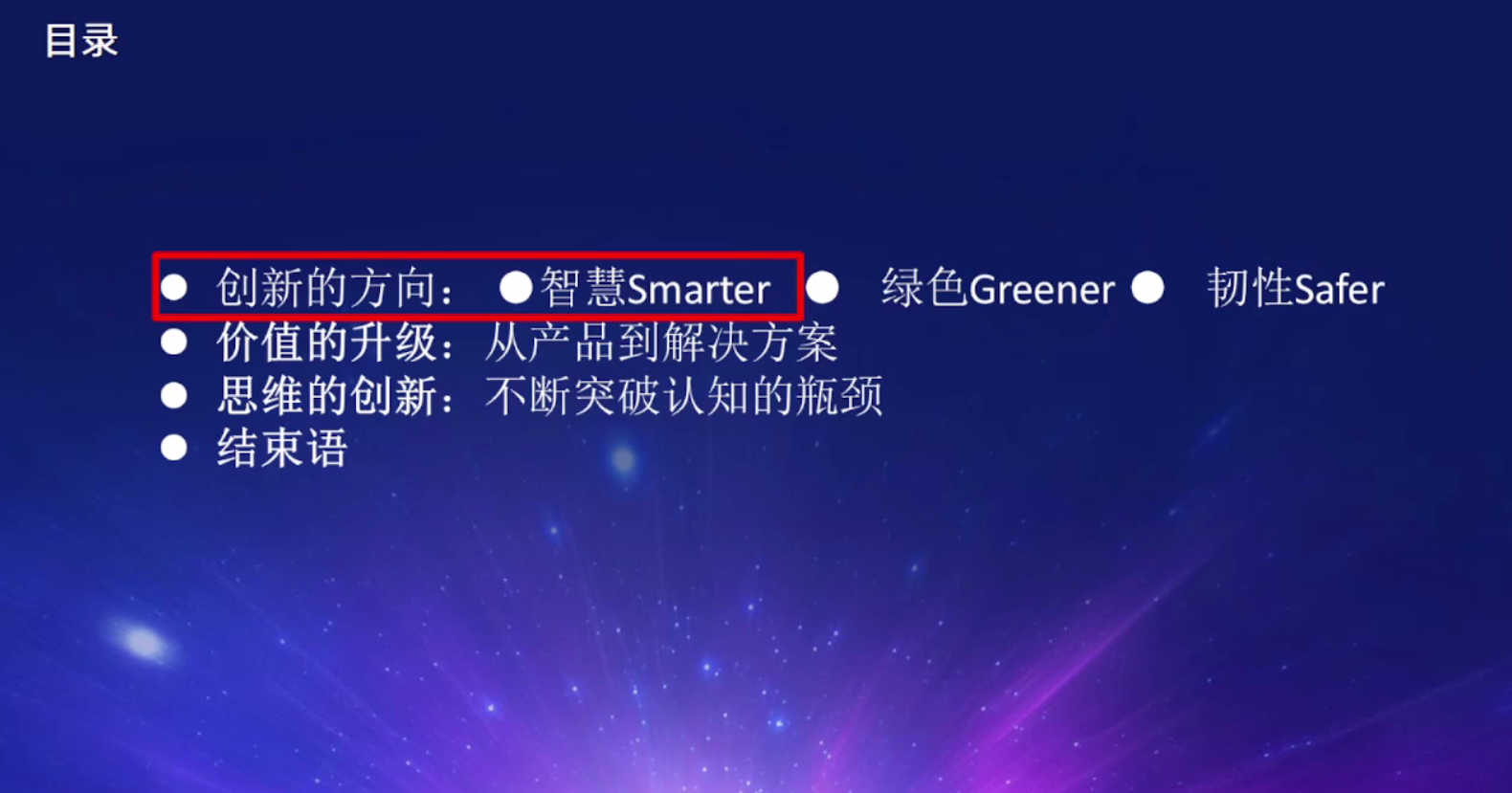
Three major innovation directions: anchoring on intelligence, green, and resilience, grasping the core drivers of industry development Ms. Lu Yan pointed out that innovation in the lighting industry is not unconstrained imagination, but requires focusing on core directions and concentrating corporate resources on key tracks. Among them, intelligence (Smarter), green (Greener), and resilience (Safer) are three particularly critical innovation axes in the outdoor lighting field, and also the core levers for companies to break through.
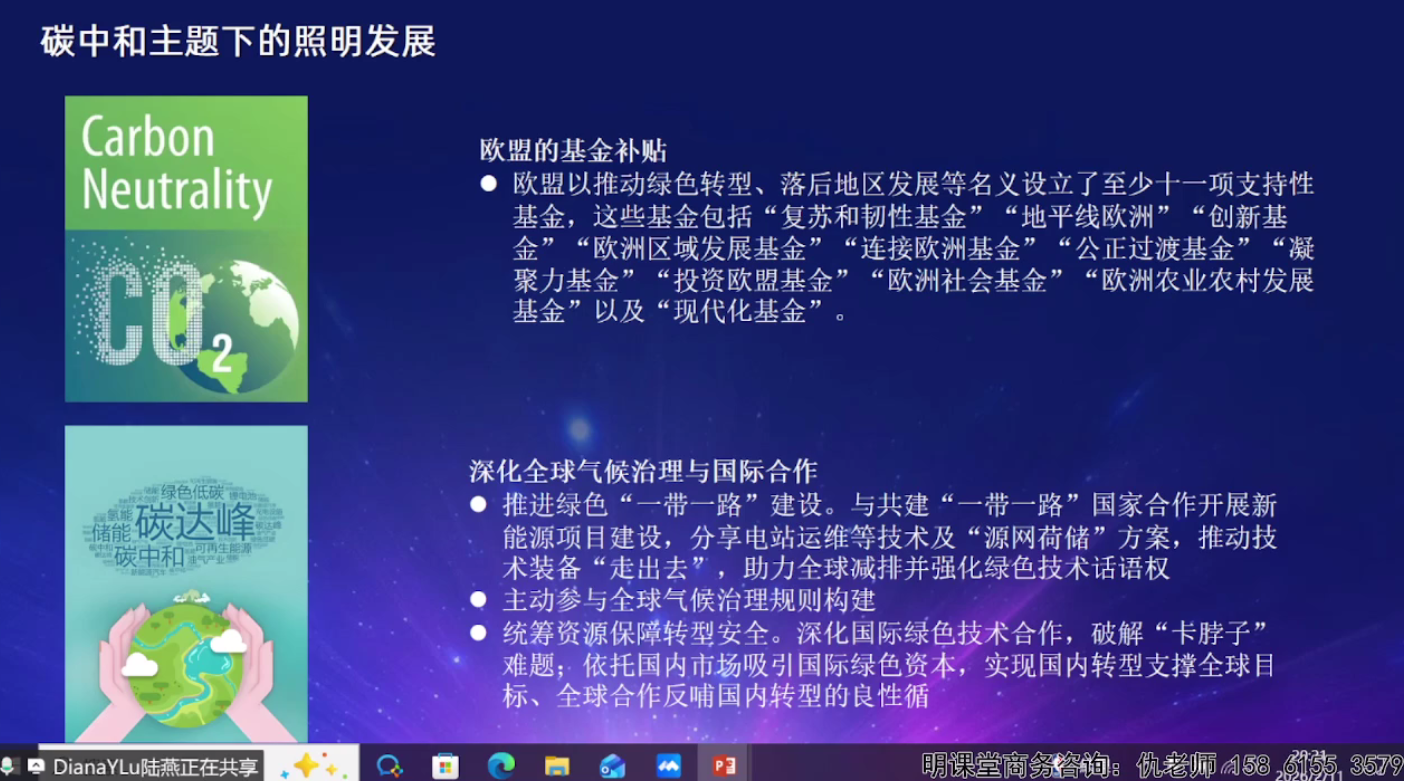
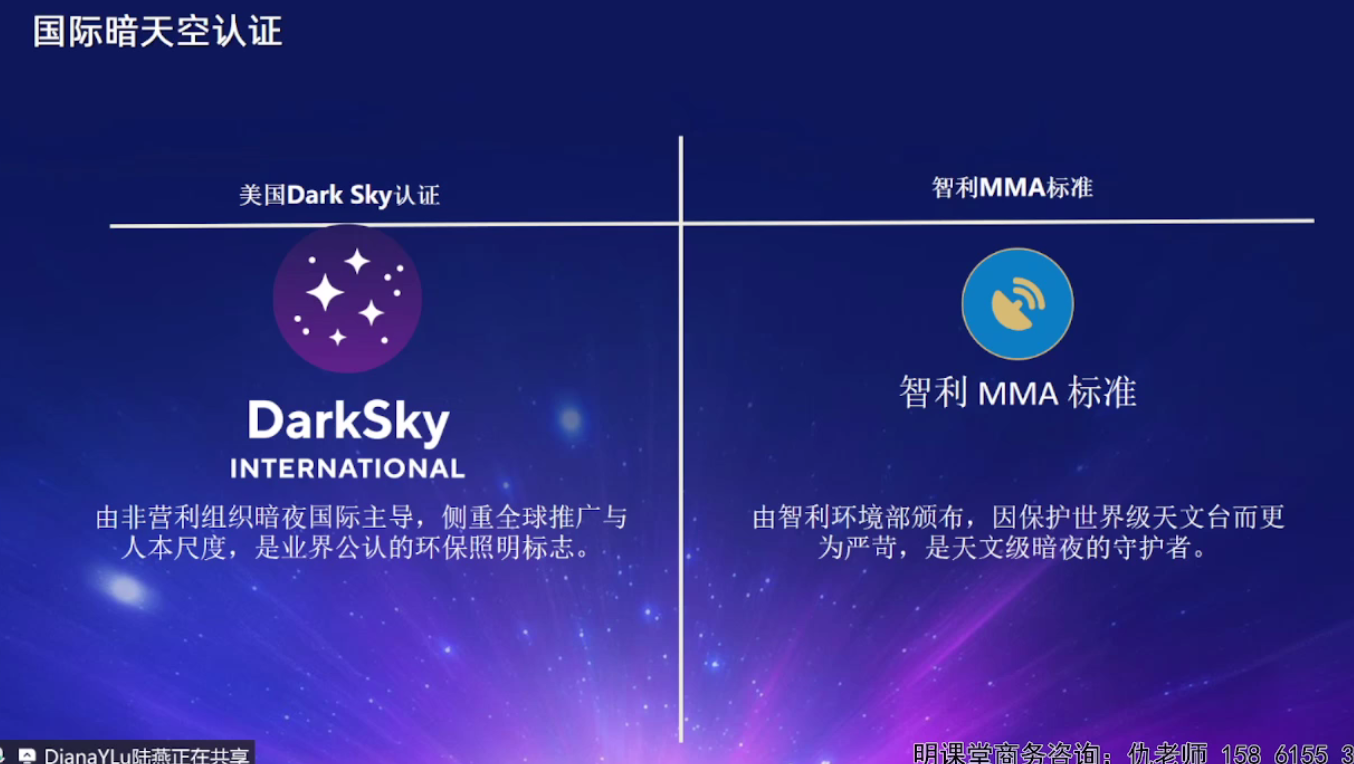
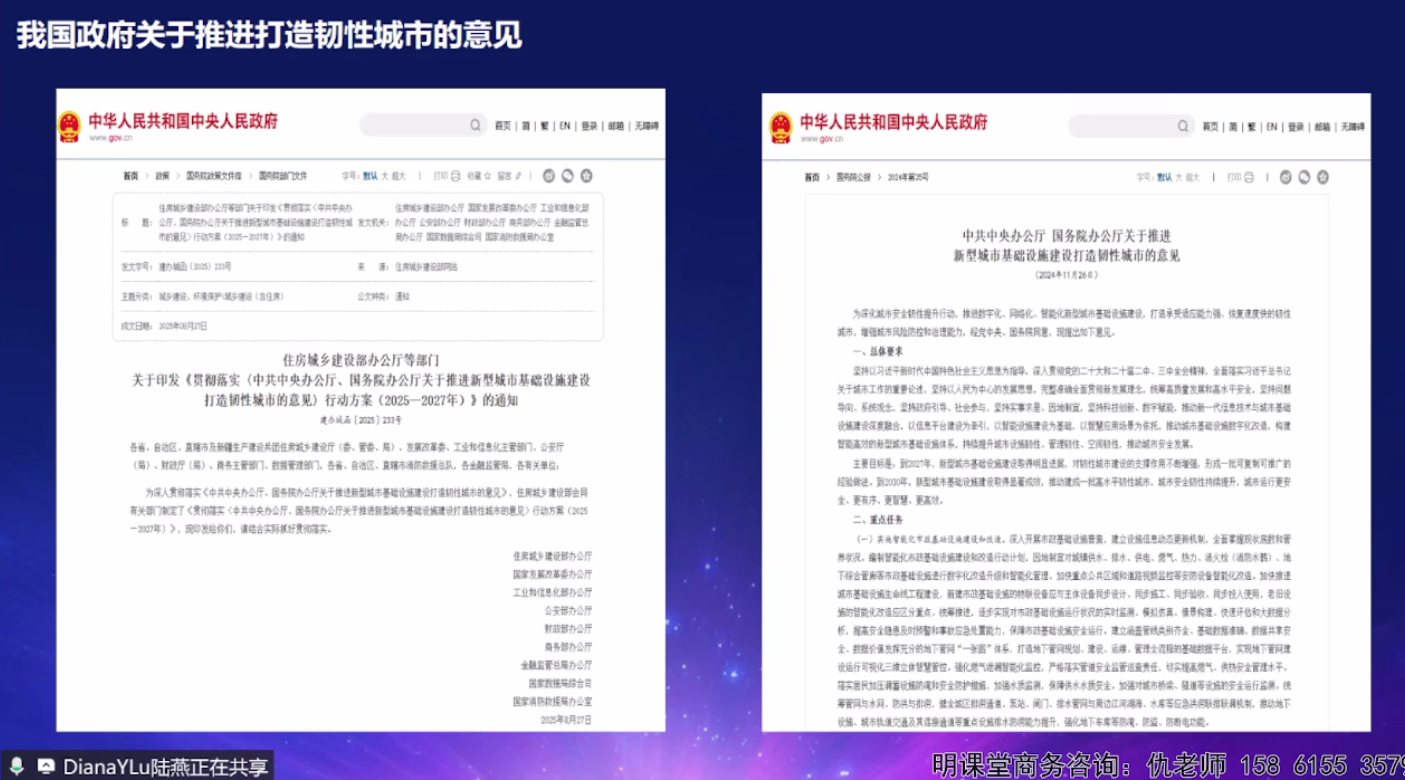
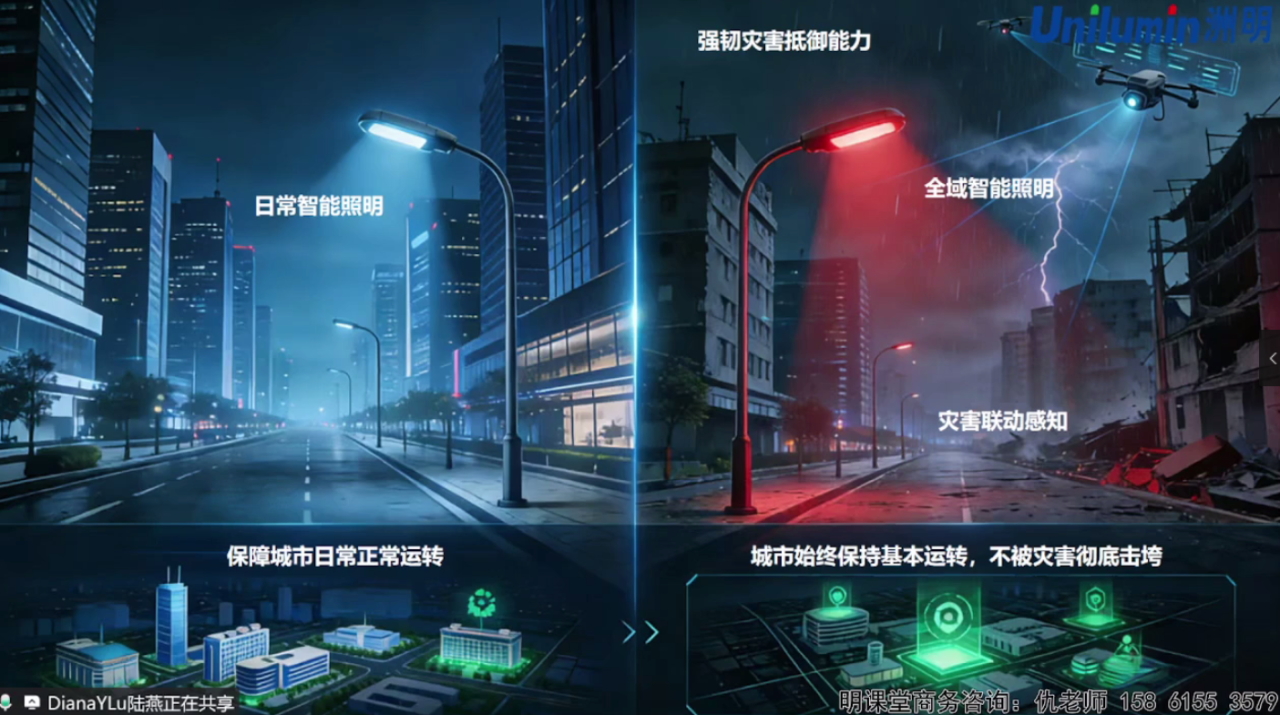
◇ Intelligence: Leveraging the AI tailwind, integrating technologies to build a full-scenario smart lighting system The rapid development of global AI applications has brought new opportunities for the intelligent transformation of the lighting industry. Ms. Lu Yan stated that China’s AI development has ranked among the top three worldwide, with deepening applications in public government services, manufacturing, and other fields, which also provides technical support and application scenarios for the intelligent upgrade of municipal lighting. Unilumin did not start AI development from scratch. Instead, it leveraged the group's technical advantages to integrate and apply AI technology, achieving maximum output with minimal investment. As the first company in the industry to obtain Microsoft and Dell ISV Certification, Unilumin was the first to integrate ChatGPT and combine AI with the HarmonyOS system, applying them to core products such as Smart streetlight and smart poles. Its AI-powered smart city light-display software platform holds Level 3 qualifications, enabling unified management of multi-functional pole facilities across the city. By integrating AI + IoT + Digital Twin technology, it covers multiple scenarios including transportation, municipal services, and industrial parks, achieving full-process management such as equipment monitoring, energy consumption statistics, risk warning, and intelligent scheduling. In the exploration of integrating the low-altitude economy with smart lighting, Ms. Lu Yan highlighted Unilumin's core practices: transforming smart poles into ubiquitous, integrated support nodes for the low-altitude economy. This not only integrates basic functions such as environmental monitoring, security surveillance, and 5G communication, but also expands low-altitude supporting service capabilities such as drone landing pads, precise navigation, and dynamic data transmission, building an ecological closed loop of "drones + smart poles + digital intelligence platforms". For example, in the Shenzhen Nanshan Comprehensive Bonded Zone project, smart poles have achieved automatic drone takeoff, landing, and scheduling, applicable to scenarios such as inspection and logistics; meanwhile, by connecting to the low-altitude control platform via 5G modules, they provide real-time airspace data and safety warnings. Combined with the intelligent linkage of the lighting system, this provides comprehensive protection for low-altitude flights. In addition, the Shenzhen Shenyan Road smart pole/traffic project has laid the foundation for the coordinated development of the low-altitude economy and urban traffic through multifunctional integration, making smart lighting truly the underlying support for the integration of smart cities and the low-altitude economy. ◇ Greenization: Guided by dual carbon goals, practicing sustainable development through technological breakthroughs + international layout Carbon neutrality is a major theme in global development and has brought the core proposition of green transformation to the lighting industry. Ms. Lu Yan shared Unilumin's green practices from three major aspects: technological upgrades, alignment with international standards, and application of new energy. In terms of technological breakthroughs, Unilumin continues to deepen its efforts in improving LED luminous efficacy. It formulates annual improvement plans targeting core influencing factors such as chip photoelectric conversion efficiency and phosphor external quantum efficiency. The plan for 2026 is to achieve a 0.5% increase in luminous efficacy for solutions with a color rendering index (CRI) of 70, and a 1.5% increase for solutions with a CRI of 80. Currently, the overall luminous efficacy of its solar street lights has reached 220 lm/W, far exceeding the Tier 1 energy efficiency standard for LED luminaires for road and tunnel lighting specified in GB 37478—2025. Meanwhile, Unilumin is also actively researching international green lighting standards, including Chile's MMA standards and the US Dark Sky certification, exploring the creation of wildlife-friendly luminaires that balance lighting needs with ecological protection. In the field of new energy applications, solar lighting has become an important part of Unilumin's green layout. Its solar street lights use high-efficiency solar modules and lithium batteries free from heavy metal pollution, achieving zero carbon emissions. They also offer advantages such as low-voltage safety, no wiring required, and low maintenance. The overall luminous efficacy of the luminaire can reach 210 lm/W, leading peers by more than 10%. The products have been implemented in many countries and regions, including South America, Southeast Asia, and Africa. In addition, Unilumin leverages the green "Belt and Road" initiative to cooperate with partner countries on new energy projects, sharing the "source-grid-load-storage" solution and promoting the global expansion of green technical equipment. ◇ Resilience: Closely aligned with urban development needs, building disaster resistance and rapid recovery capabilities The construction of resilient cities is an important deployment at the national level, requiring cities to have the ability to resist disasters, reduce losses, and recover quickly. As an important part of urban infrastructure, the resilience of lighting systems has become a key component. Ms. Lu Yan stated that resilient lighting does not merely refer to reliable product quality, but aims to achieve domain-wide smart lighting and disaster-linked sensing , enabling lighting systems to maintain basic functions during disasters while ensuring daily operations, thereby helping cities recover quickly. Unilumin's smart highway (emergency) lighting and display solution and smart tunnel lighting solution are typical practices of resilient lighting. Among them, the smart highway (emergency) lighting and display solution is the only lighting project listed by the Ministry of Transport. The Guangxi Batian and Tianxin projects, as representative projects for smart tunnel lighting, adopt systems characterized by low glare (T0 level) and high luminous efficacy (180lm/W), enabling intelligent sensing and linked control of tunnel lighting, dynamically adjusting illumination based on environmental monitoring data. The Xiamen Wuyuan Bridge low-position lighting project utilizes patented technologies such as low-position lighting with high uniformity and low glare distribution, and golden-yellow light fog penetration lighting, significantly enhancing the safety and emergency capability of bridge lighting. Unilumin's lighting systems can also link with urban emergency systems, achieving cross-industry ecosystem collaboration through AI analysis and decision-making, automatic execution, providing lighting support for the construction of resilient cities.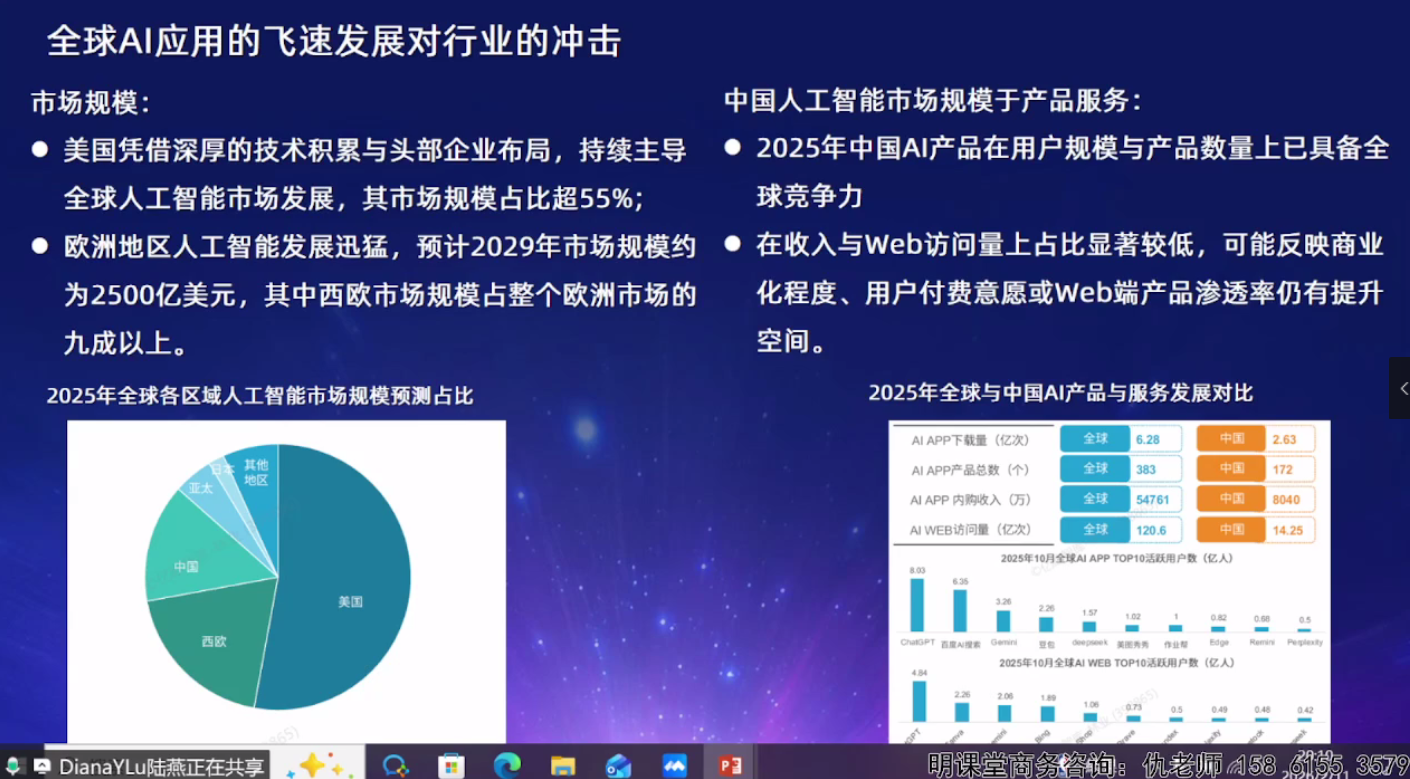
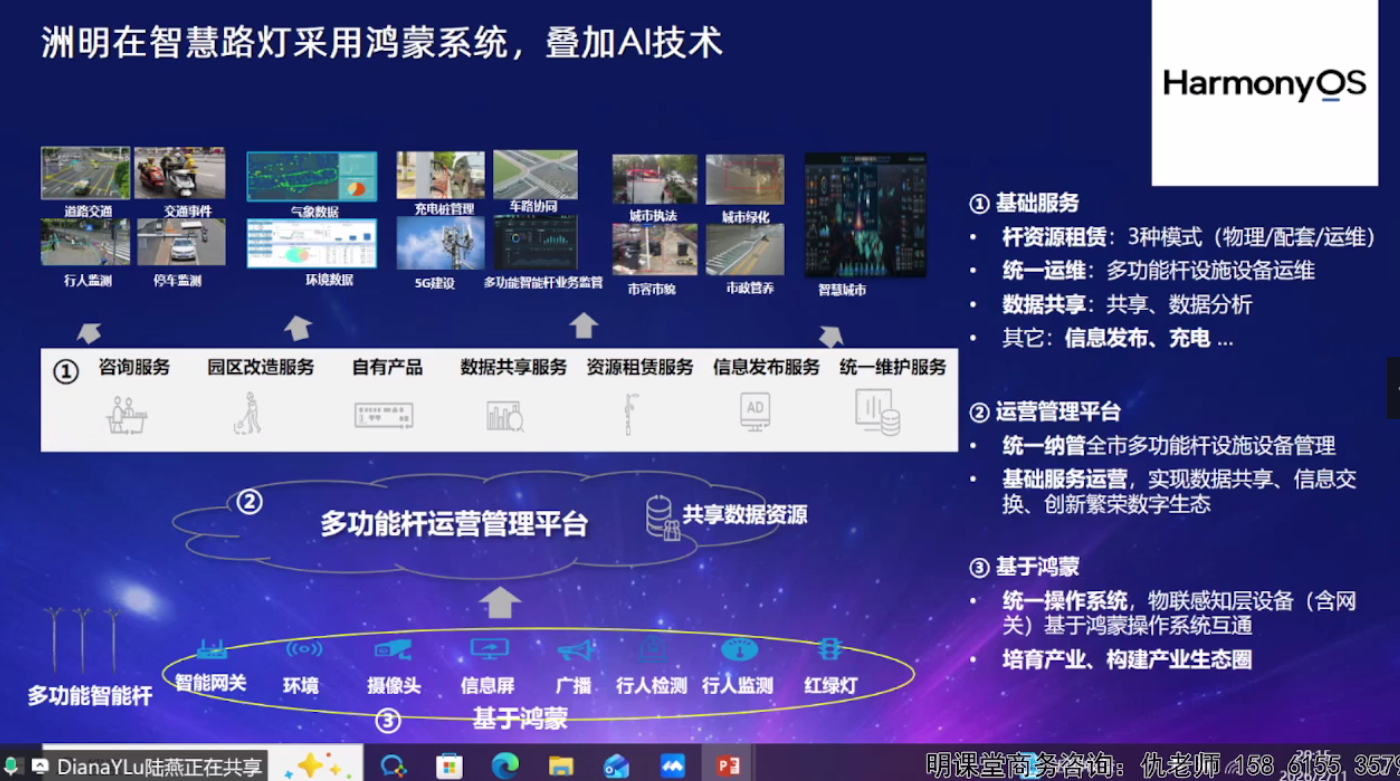
Value Upgrade: From single products to full-scenario solutions, escaping the quagmire of price competition In the current era of increasingly fierce industry competition, relying solely on product comparisons easily leads to price wars. The key path for enterprises to achieve value leapfrogging and escape price competition is to upgrade from single-product supply to full-scenario solutions encompassing hardware + software + solutions + services. This has been the core transformation direction of Unilumin in recent years. Ms. Lu Yan introduced that Unilumin Lighting has transformed into a comprehensive one-stop supplier integrating application consulting, solution design, optical simulation, construction, and operation & maintenance. Centered on the three themes of smart, green, and resilience, it has developed five core solutions: smart roads, smart tunnels, smart solar energy, smart highways (emergency), and smart poles. The core lies in using the AI light display platform as a foundation to break down barriers between hardware and software, achieving a balance between customization and standardization.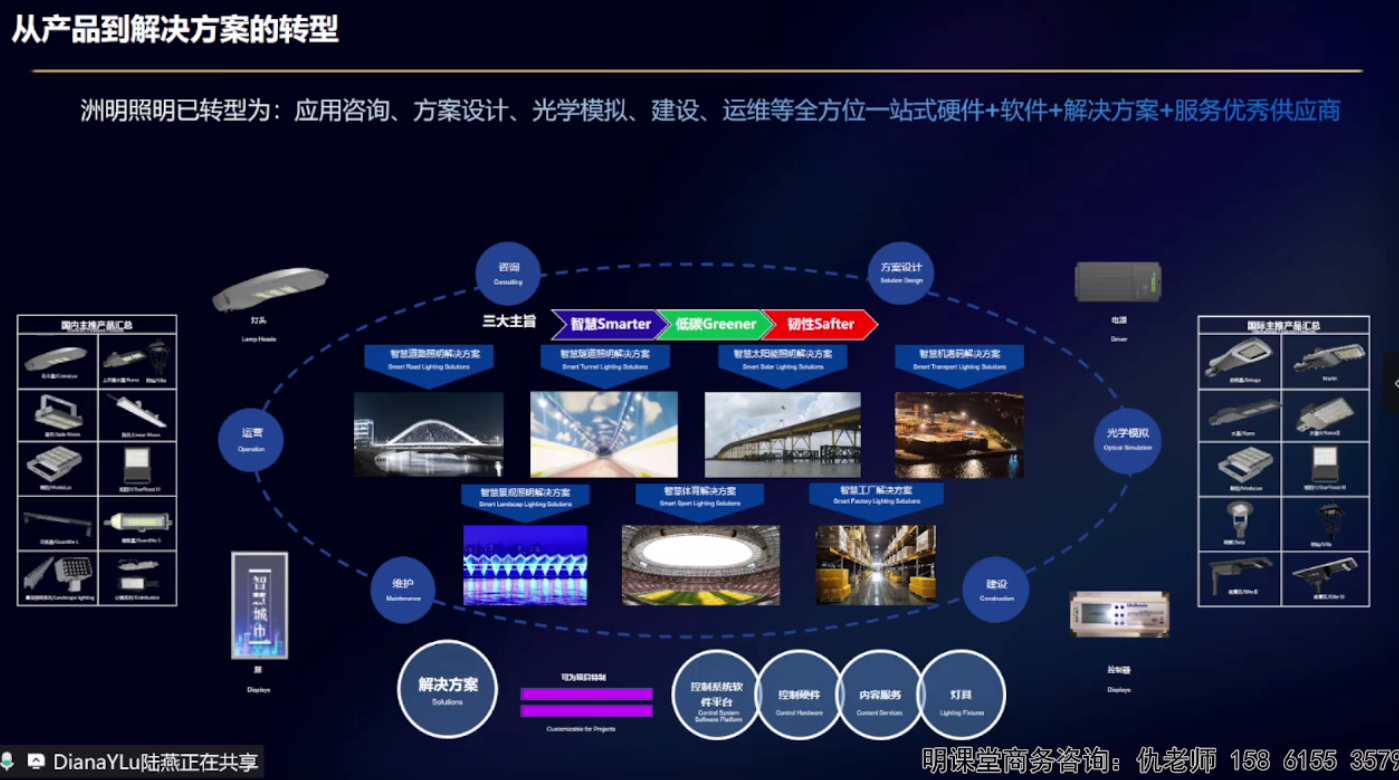
Taking EMC (Energy performance contracting) business as an example, Unilumin does not merely provide cost-effective luminaires. Instead, leveraging its capital and technological advantages, it achieves win-win outcomes with partners and provides customers with end-to-end services ranging from lighting retrofitting and intelligent upgrades to long-term operation and maintenance. This ensures high luminous efficacy and high reliability of the luminaires, while digital management enables efficient maintenance over a ten-year period. In the smart pole business, Unilumin has abandoned the mere 'pole manufacturing' mindset. Instead, focusing on the 'light' as the core, it integrates screens, cameras, sensors, 5G base stations and other equipment to create multifunctional smart poles. Through its self-developed operation management platform, it achieves data sharing and cross-departmental collaboration, avoiding redundant construction and making smart poles truly become the nerve endings of smart cities. Ms. Lu Yan emphasized that the implementation of solutions is not achieved overnight. Enterprises need to focus on core tracks, master one area before expanding to another, and simultaneously identify replicable implementation models to achieve scaled development.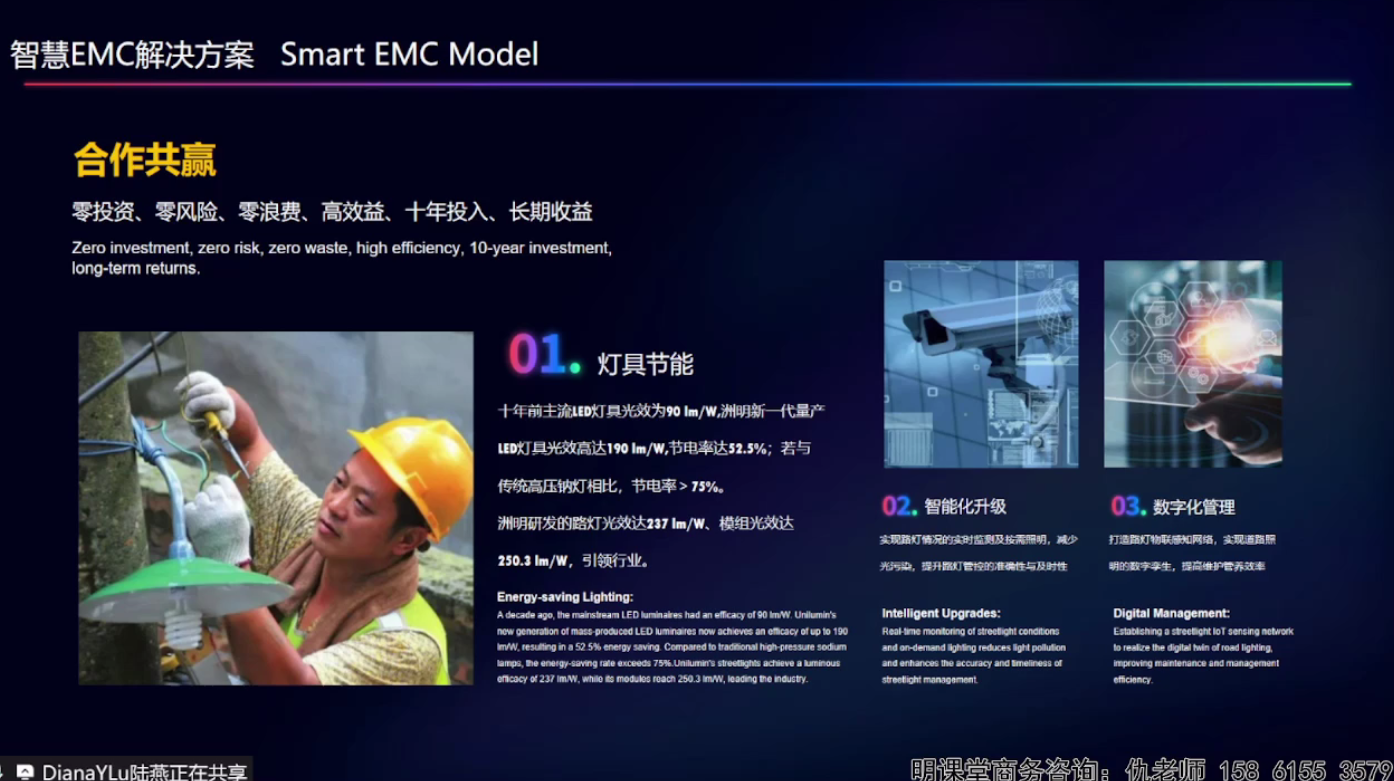
Thinking Innovation: Break through cognitive bottlenecks and achieve comprehensive upgrades from the channels, products, and manufacturing ends All technological innovations and value upgrades ultimately rely on human cognitive innovation. Ms. Lu Yan believes that the core of corporate innovation lies in breakthroughs in team cognition, especially the need to break固有 thinking at the channel end, product end, and manufacturing end to find new paths suitable for enterprise development.
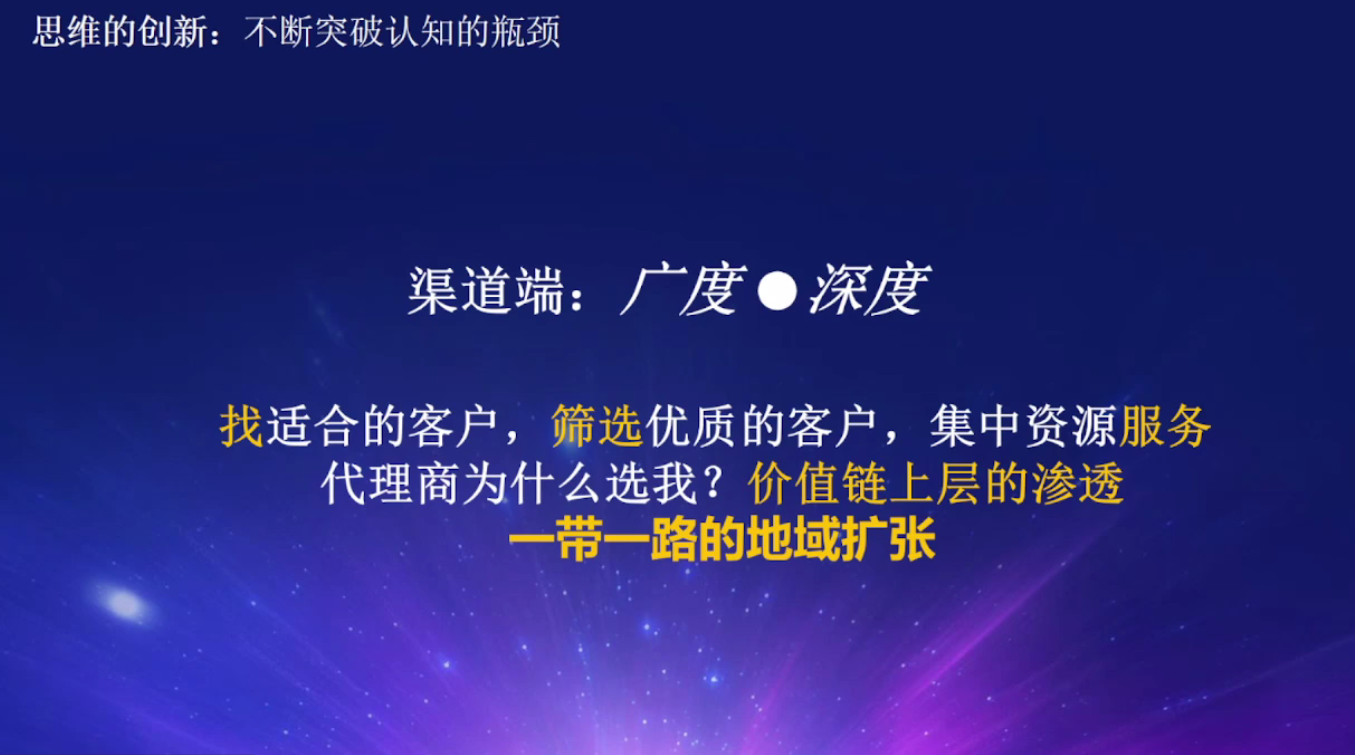
◇ Channel End: Balance Breadth and Depth, Focus on High-Quality Customers to Achieve Value Co-Creation The core of channel management is not simply pursuing coverage breadth, but finding a balance between breadth and depth. For engineering-type businesses like municipal lighting, depth is particularly important — it is necessary to find high-quality customers with compatible concepts, screen and concentrate resources to serve them, and achieve value co-creation with customers, rather than just a buyer-seller relationship. Ms. Lu Yan stated that becoming a core supplier for customers does not hinge on cost savings, but on bringing value enhancement to customers, penetrating the upper layers of the value chain, and acting as a link of value rather than stealing business from partners. Meanwhile, leveraging the opportunities of the 'Belt and Road' initiative for geographic expansion, finding replicable channel models, and rapidly implementing them are important directions for innovation at the channel end.
◇ Product End: Extreme Competition in Resources and Technology, Balancing Downward Rooting and Upward Breakthrough Innovation at the product level is essentially an ultimate competition of resources and technology. On one hand, it is necessary to stay close to customers and suppliers, keenly洞察 changes in demand and technology, and avoid R&D teams working in isolation; on the other hand, technological iteration must balance deep rooting with upward breakthroughs—downward alignment with the market to achieve high cost-performance products that meet mainstream demand, and upward leadership in niche segments by investing in R&D to create high value-added products, thereby guiding industry development. In addition, the aggregation and excavation of resources are also crucial. It is necessary not only to gather high-quality supplier partners but also to focus internal R&D teams on core directions, avoiding resource dispersion.
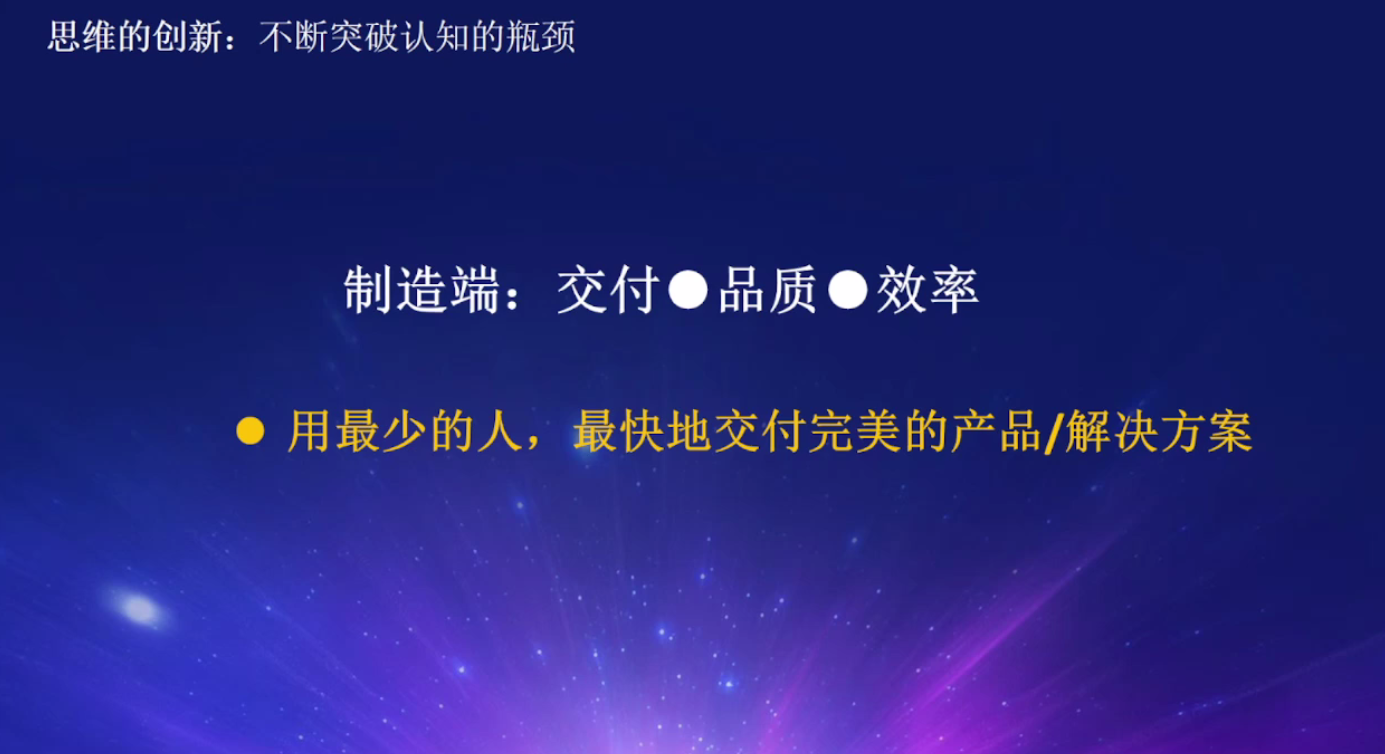
◇ Manufacturing Side: Core Focus on Delivery, Quality, and Efficiency to Achieve Efficient Front-End and Back-End Matching 95% of Unilumin's lighting products are customized projects, and domestic customized products must be delivered within 7-15 days, which places extremely high demands on the efficiency and quality of the manufacturing side. Ms. Lu Yan stated that innovation on the manufacturing side is not simply "replacing humans with machines," but rather focuses on delivery, quality, and efficiency to achieve efficient matching between the front-end and back-end. Breaking down barriers among departments such as R&D, sales, and production to form a collaborative team, rather than each pursuing their own "perfect segment," and achieving seamless process integration to deliver perfect products and solutions with minimal personnel in the shortest time is the key to breakthroughs on the manufacturing side.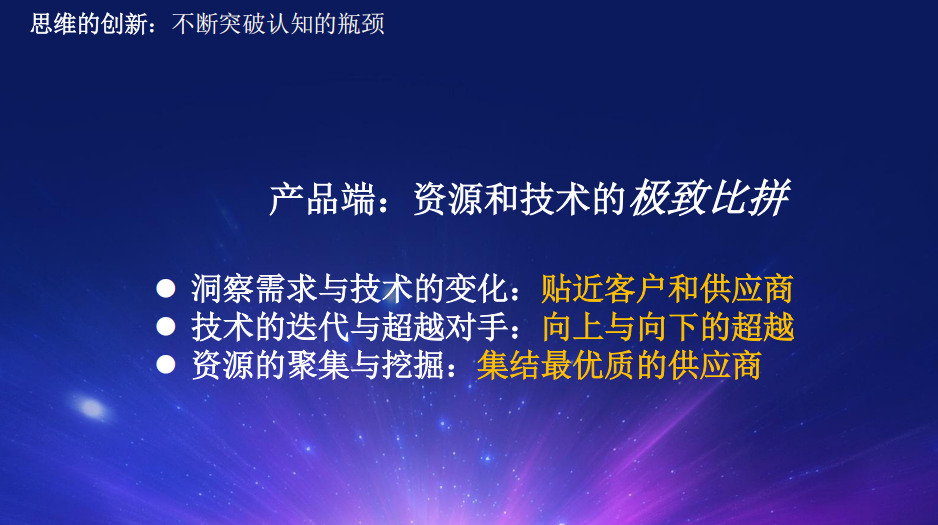
Interactive Q&A Focusing on practical pain points to answer industry questions After the sharing session, Ms. Lu Yan provided detailed answers to practical industry questions raised by the audience, offering specific practical references for practitioners:
1. Can products such as indoor home spotlights achieve a breakthrough in luminous efficacy above 120lm/W? Ms. Lu Yan stated that, from a technical perspective, the technology platforms for indoor lighting and outdoor lighting are interconnected, making it not difficult to achieve a luminous efficacy above 120lm/W. However, spotlights experience slight losses in light output efficiency due to beam angle requirements. More importantly, indoor lighting does not solely pursue luminous efficacy. Compared to the efficacy-oriented approach of public lighting, indoor lighting places greater emphasis on the effect, health, and comfort of light. It is a fusion of lighting technology with aesthetics and architecture; luminous efficacy is merely a basic indicator, while the application experience of lighting is the core. 2. Compared with international peers, what are the core strengths and weaknesses of Chinese lighting companies in the innovation directions of intelligence, green development, and resilience? The core strength lies in flexibility and speed. Chinese companies are daring and willing to experiment; they respond quickly to market changes and can rapidly test ideas with partial certainty, adjusting as they go—an advantage difficult for international companies to match. The weakness, however, lies in the systematic construction of standardized management. International century-old companies such as Philips(照明业务:Signify 昕诺飞) and OSRAM have developed standardized management and institutional processes to perfection, achieving maximum results with minimal personnel. Chinese companies need to find a balance between standardization and efficiency, exploring development models suited to themselves rather than blindly copying the old paths of international enterprises, while always clarifying “who we are and where we are going.” 3. When Unilumin engages in city-level projects, how does it balance the demand for customized solutions with the efficiency of large-scale implementation? Are there any impressive cases? The core of balancing customization and scale lies in the platform-based layout of products. In the R&D and implementation of solar lighting products, Unilumin encountered the problem of scattered customization demands. Subsequently, by building a platform-based system on the R&D side, gathering common customer needs, and creating core modules, it achieved fine-tuning according to personalized needs in different regions (Southeast Asia, the Middle East, South America, etc.), realizing “standardization of core modules, customization of personalized needs.” For example, Philips’ driver products adopt a standardized core module design globally, making only adaptive adjustments for different markets such as Europe, China, and South America. Domestic company Inventronics has also adopted a similar approach, a model worth learning from. In addition, it is necessary to gather demands on the client side to reduce scattered customized development and improve the efficiency of large-scale implementation. 4. For SMEs in the lighting industry, what is the most accessible entry point for mindset innovation with the highest return on investment? The core of mindset innovation for SMEs lies in open-source strategies, specifically targeted open-source efforts rather than blind expansion. The easiest approach is to deeply bind with the enterprise's core partners, listen to their needs, jointly develop and create solutions, and then replicate this mature solution to new partners and customers, which can significantly increase the success rate. SMEs do not need to copy the models of large enterprises, nor do they need to pursue entirely new innovative breakthroughs. Starting from familiar customers and tracks to find a development rhythm suitable for themselves is the choice with the highest return on investment.
Conclusion With a free soul, guarding the original intention to move upward At the end of the sharing, Ms. Lu Yan concluded with the Fudan spirit engraved in their bones: "Freedom and Uselessness". She stated that "A free soul, an upward heart" is the spiritual core of Fudan people, and also the persistence that practitioners in the lighting industry should maintain on the path of innovation. In the current era of huge industry changes, only by maintaining persistence in innovation, love for the industry, and constantly breaking through cognitive bottlenecks can one stand firm amidst the变革. In this Fudan Light Salon, Ms. Lu Yan, based on more than twenty years of industry accumulation and combined with Unilumin's frontline practices, clearly outlined the innovation path under drastic changes for colleagues in the lighting industry. From technological innovations in intelligence, green energy, and resilience, to value upgrades from products to solutions, and then to mindset breakthroughs in channels, products, and manufacturing, every point was full of substance, providing ideas for the development of large enterprises and pointing out the direction for the breakthrough of SMEs. Innovation is the eternal driving force of industry development and the core key for enterprises to break through. Amidst the multiple opportunities presented by digitalization, dual carbon goals, and resilient city construction, the lighting industry must use innovation as its sail, technology as its oar, and mindset as its rudder to ride the waves of profound industry change and advance alongside the world.