
Digital Intelligence Empowers the Ecosystem, Connecting Global Supply Chains to Usher in a New Era | The 2026 International Engineering Construction Expo—The 6th International Engineering Construction Supply Chain Expo 2026 Concludes Successfully
In the golden autumn of Tianjin, the Haihe River surges; as the grand event draws to a close, its lingering echoes endure. On September 18, the three-day 2026 International Engineering Construction Expo—the sixth International Engineering Construction Supply Chain Expo—concluded successfully at the National Exhibition and Convention Center (Tianjin). As the nation’s first benchmark industry event centered on “green construction integration,” the expo was themed “Digital Intelligence in Engineering, Building the Future.” It aligned closely with major national strategies, including developing new-quality productive forces, advancing green transformation during the 15th Five-Year Plan period, promoting high-quality joint development of the Belt and Road Initiative, and implementing SCO green industry cooperation. The expo established a high‑level industrial platform integrating exhibitions, high‑end forums, supply‑demand matchmaking,成果 releases, and project pairing, delivering multiple values such as policy interpretation, technological exchange, resource aggregation, economic and trade matchmaking, and international dialogue, thus presenting a market‑oriented, professional, international, and branded exhibition outcome.
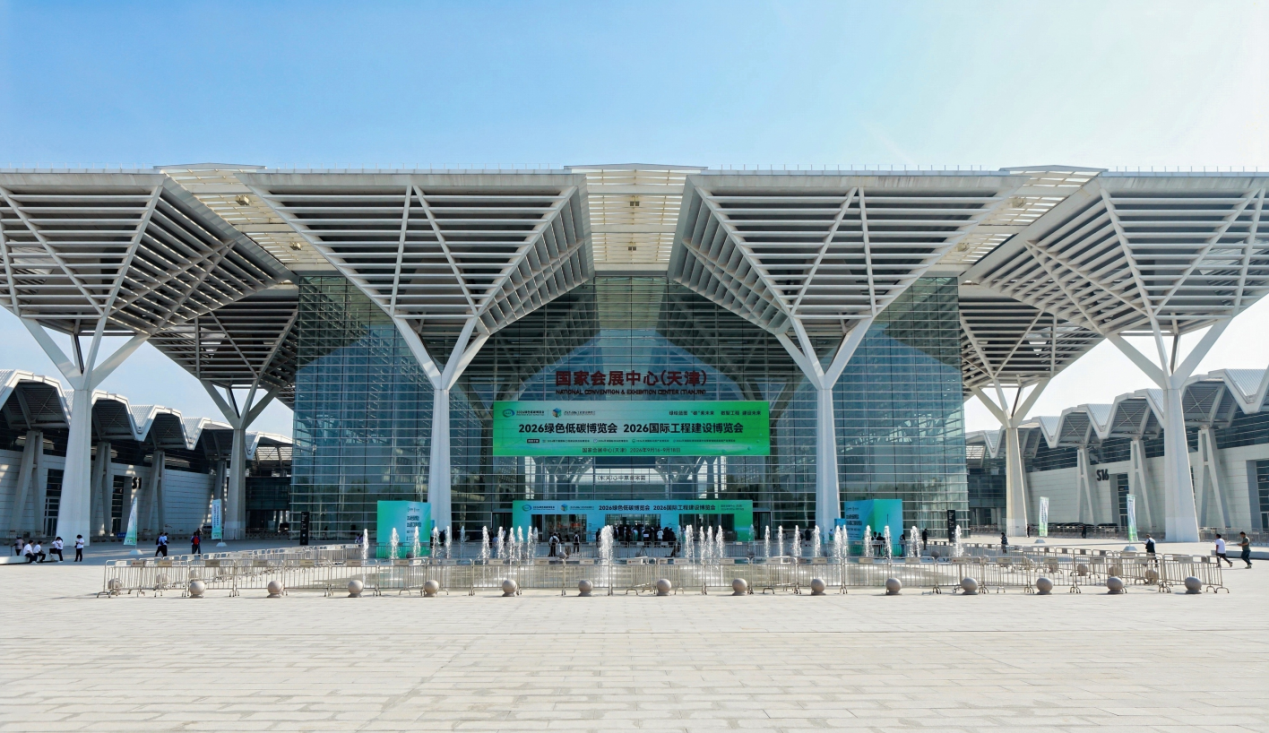
Two Exhibitions in Sync, Pioneering a New Paradigm for “Green Construction Integration”
The 2026 International Engineering Construction Expo and the 2026 Green Low‑Carbon Expo were co‑hosted by China Foreign Trade Center Group Co., Ltd., Tianjin Urban Infrastructure Construction Investment Group Co., Ltd., China International Engineering Consulting Association, and the International Economic and Technical Cooperation Center of the Ministry of Industry and Information Technology. Firmly grasping the overarching trends of intelligent, green, and integrated transformation in the engineering construction sector, these two events resonated within the same venue alongside the Green Low‑Carbon Expo, whose theme was “Painting the Blueprint with Green, ‘Carbon’‑Seeking the Future.” They pioneered the “green construction integration” development paradigm, establishing a complete closed loop from green technology innovation to practical application in engineering scenarios, addressing the longstanding industry challenge of disconnect between green technologies and their engineering implementation, and setting a domestic benchmark for cross‑sectoral integration of “green low‑carbon + engineering construction.”
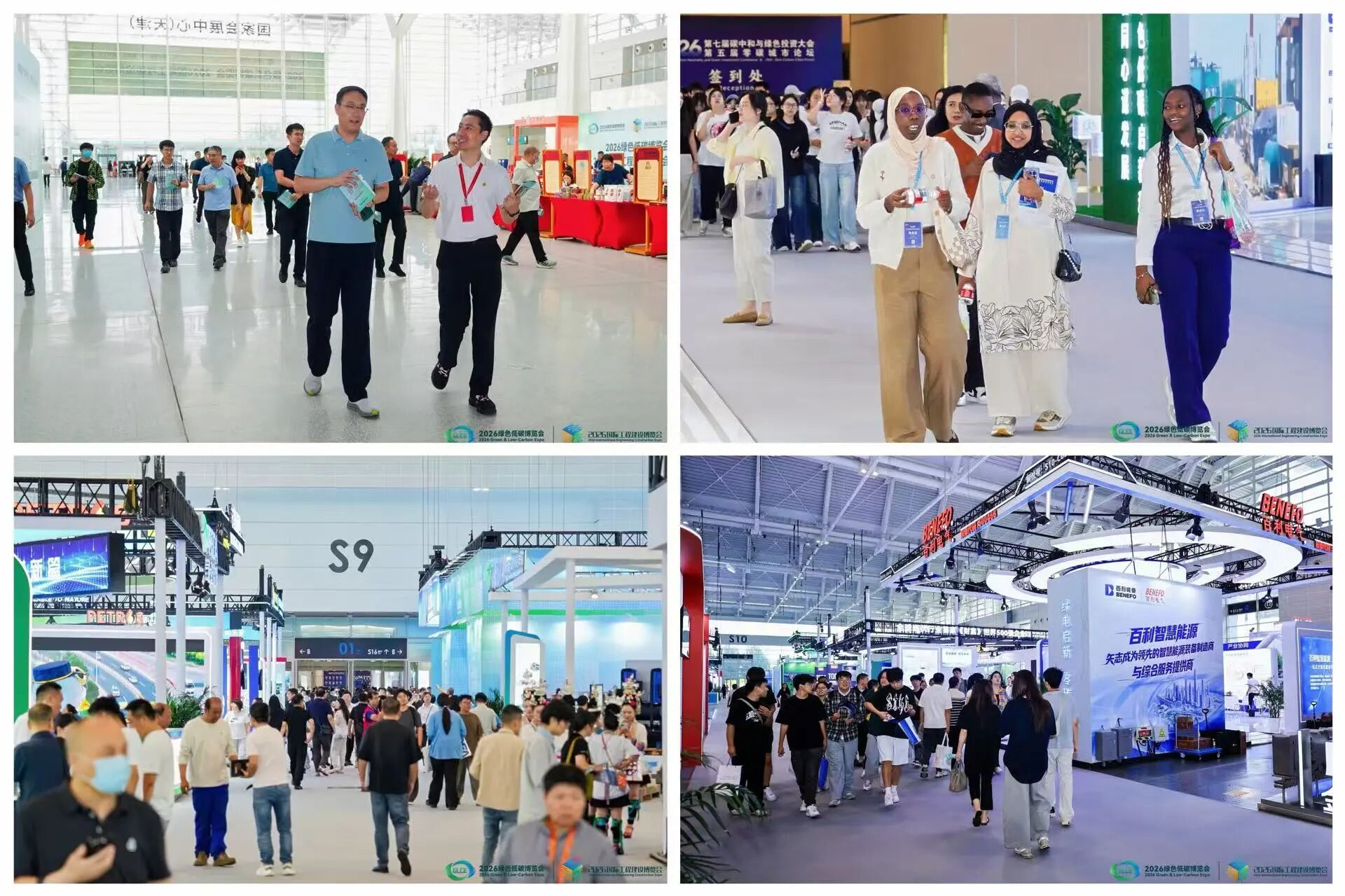
This year’s dual‑exhibition showcased a total area of 100,000 square meters, featuring 14 specialized zones covering key sectors such as green practices, international cooperation, green energy, circular economy, Chinese construction, and smart construction. A total of 558 companies participated, including 197 leading enterprises—accounting for over one-third—and approximately 70% of exhibitors came from outside Tianjin. The event attracted global industry attention, drawing more than 500 international buyers and professional visitors from 80 countries, along with 12 overseas delegations, including a Singaporean government delegation, and 20 foreign institutions and multinational corporations such as UNDP and Sarawak Oil of Malaysia. Over the three-day period, the expo welcomed 33,000 visitors, bringing together upstream and downstream players in the industry chain, research institutes, government agencies, and international buyers at the National Exhibition and Convention Center (Tianjin), making it an important stage for the mutual advancement of green technologies and engineering applications.
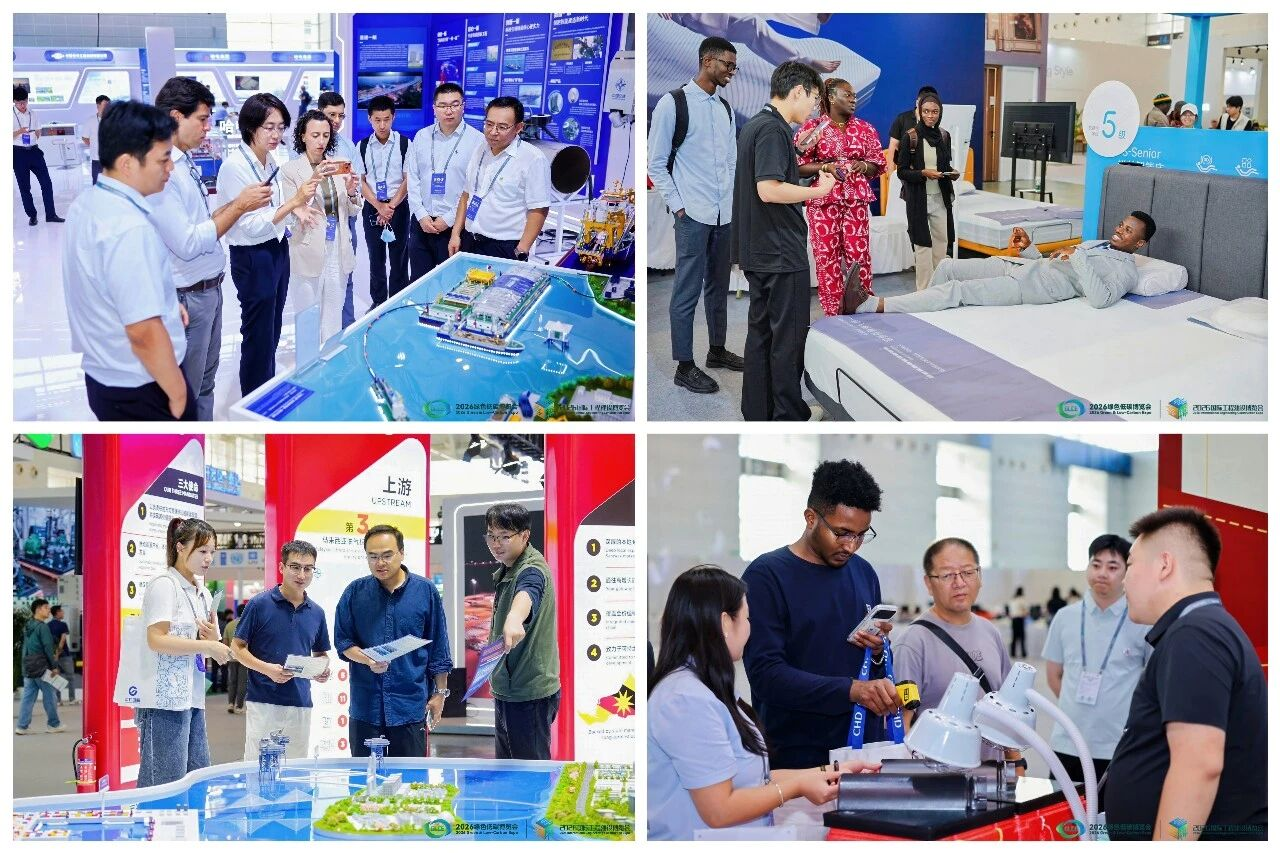
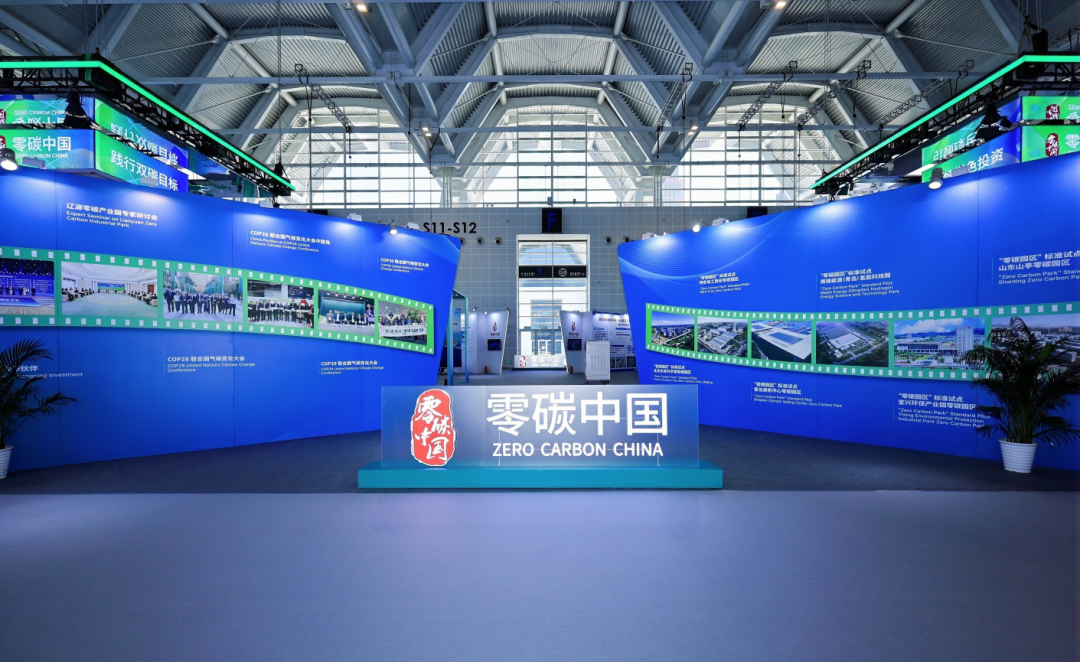
From the comprehensive circular economy model demonstrated by China Resources Recycling Group and Tianjin Ziya Economic Development Zone—covering waste recycling, resource recovery, and recycled material applications—to the complete sets of cutting‑edge technologies unveiled by China Three Gorges Corporation, Rongcheng New Energy, and China Huadian Corporation, including wind‑solar‑storage and hydrogen energy systems; from the immersive “Zero‑Carbon China” exhibit, which transforms zero‑carbon parks, factories, and ports from conceptual ideas into tangible demonstration scenarios, to the concentrated display of smart construction equipment, BIM collaboration platforms, and turnkey overseas engineering solutions by state‑owned construction giants like China State Construction Engineering Corporation and China Railway Construction Corporation—inside the exhibition halls, what unfolds is not just a series of exhibits, but a complete picture of China’s industrial journey: from technological R&D to engineering implementation, from deep local roots to global collaboration. Special zones such as the China‑Singapore cooperation area, the Tianjin thematic showcase, and the urban investment zone systematically highlighted Tianjin’s efforts to build a green industry cooperation platform under the SCO framework, expand opening-up, and serve the people’s better lives. International organizations like UNDP also participated, building bridges for mutual learning and experience‑sharing between Chinese and foreign green industries, enabling two‑way dialogue between China’s solutions and global sustainable development needs.
Breaking Barriers Across the Entire Chain: Hardcore Innovation Demonstrates China’s Construction Strength
Grounded in a full‑chain perspective of engineering construction, the expo focused on strengthening, supplementing, and extending the industry chain. A host of cutting‑edge technologies and innovative achievements made their debut, reflecting the direction of industry transformation. The circular economy zone fully demonstrated the industrial closed loop of “waste recycling–resource recovery–recycled material application,” providing systematic solutions for industrial decarbonization and urban governance. Meanwhile, the green energy section offered a panoramic view of the complete industrial ecosystem encompassing photovoltaics, energy storage, hydrogen energy, and integrated energy services, while the immersive “Zero‑Carbon China” demonstration turned ambitious blueprints for zero‑carbon parks, ports, and factories into tangible, replicable, and exportable real‑world examples.
On the international engineering construction front, emphasis was placed on digital and intelligent transformation, with smart construction robots, BIM collaboration platforms, low‑carbon green building materials, and turnkey overseas engineering solutions all taking center stage. The Northern Design Alliance presented a collective showcase of ten years’ worth of engineering achievements, collectively articulating the essence of “China’s Construction” in the new era: beyond mere delivery of engineering capabilities, it represents a comprehensive display of digital intelligence, green standards, and integrated services. Complete sets of circulating water treatment equipment, liquid‑cooled computing infrastructure, source‑network‑load‑storage integrated systems, green low‑carbon building materials, and intelligent construction robots took turns appearing, with numerous new products, technologies, and solutions making their exhibition debuts, clearly mapping out the realistic pathway for green technologies to be applied in engineering settings. Against the backdrop of global supply chain vulnerabilities and volatility, the expo concentrated on releasing industrial innovations, serving both as a comprehensive review of domestic industrial transformation and upgrading, and as a solid technical foundation for Chinese enterprises venturing overseas.
Supply and Demand Meet: 50 Billion Yuan in Procurement Needs Energize Cross‑Border Cooperation
This year’s expo prioritized pragmatic matchmaking, encouraging “exhibiting equals negotiating, attending equals seeking business opportunities.” It brought together procurement demands from six continents, with identifiable project totals exceeding 50 billion yuan, including over 10 billion yuan in annual centralized procurement needs, covering subcontracting, specialized contracting, equipment and material purchases, centralized procurement, and overseas collaborations across design, construction, and tendering phases.
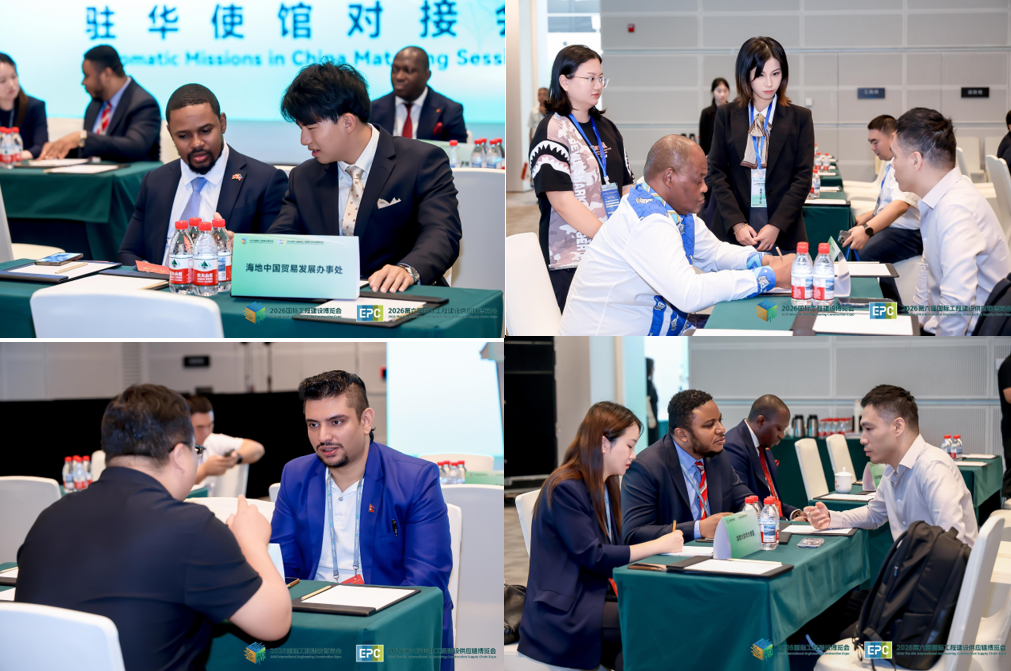
Demand spans over ten sectors, including residential construction, new energy and power, and municipal infrastructure, with the three core areas accounting for more than 60%. Procurement categories mainly include pipes and fittings, green building materials, engineering services, electrical equipment, and building MEP systems, extending further along the entire value chain. Domestic representative projects include an ethylene project, a new highway project, and Phase II of Qingdao Metro Line X, with centralized procurement involving 8 billion yuan annually for general contracting, 200,000 tons of rebar, and 50,000 tons of steel. Overseas projects account for nearly half, distributed across Africa, Southeast Asia, the Middle East, South America, and Oceania—regions covered by the Belt and Road Initiative—with requirements typically including international Certification, export capability, overseas performance records, and localized services.
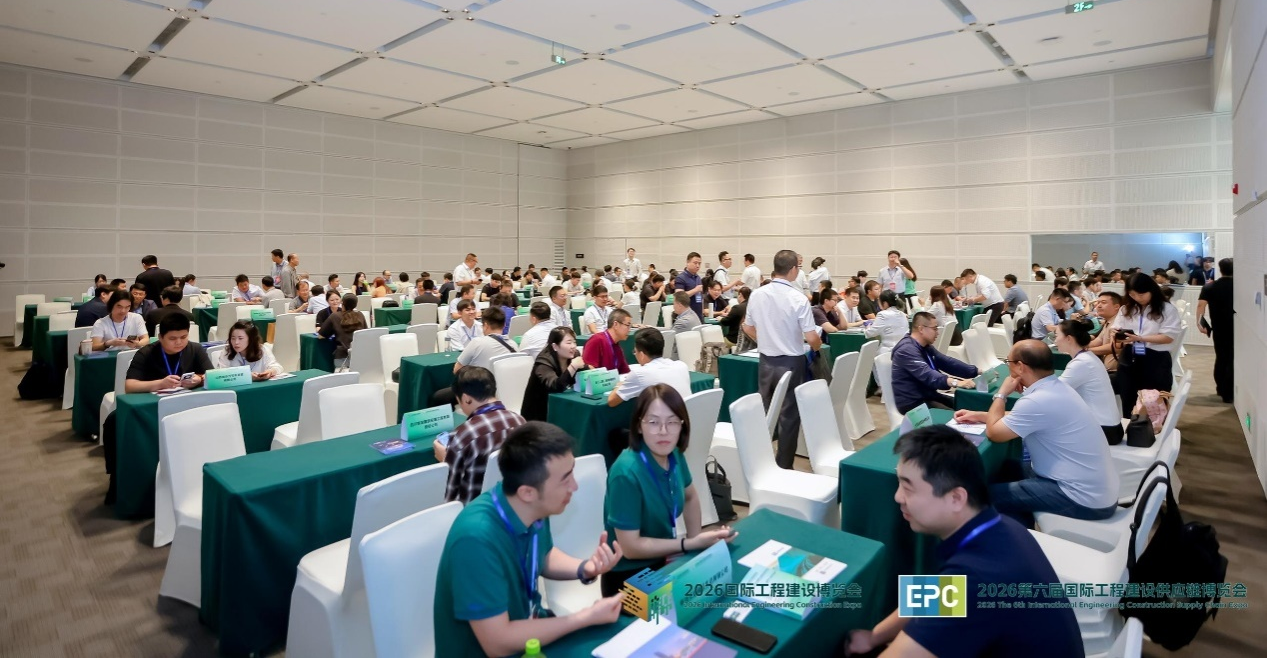
During the expo, numerous matchmaking sessions were held with embassies, central state‑owned enterprise general contractors, overseas owners, specialized contractors, and subcontractors, while the online “Industrial Procurement Cloud Chain” platform—a database of international engineering suppliers—has already gathered over 1,200 quality vendors, shifting cross‑border supply‑demand matching from “people searching for goods” to “data‑driven” approaches. Face‑to‑face negotiations transformed the expo into an incubator for cross‑border cooperation, helping enterprises transition from showcasing to securing orders, and from technology to real‑world applications.
Forum Brings Together Minds: Intellectual Exchange Builds Consensus for Industrial Development
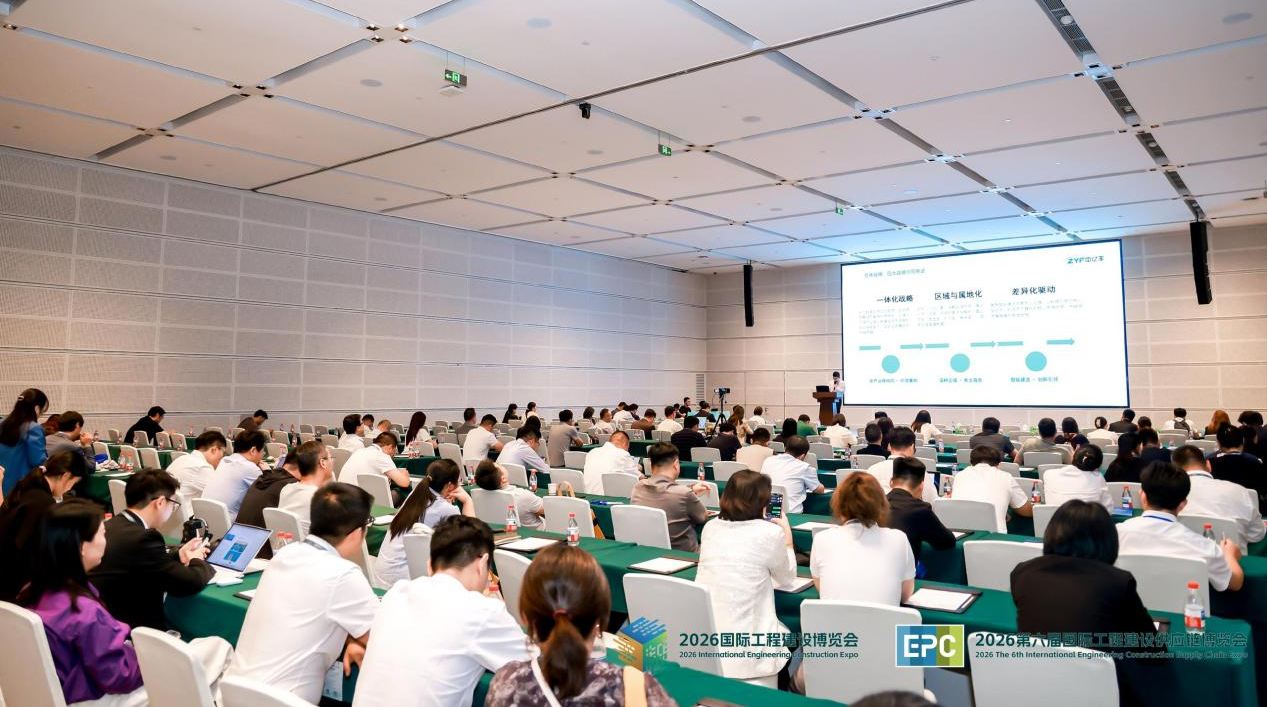
Adhering to the “Exhibition + Conference + Matchmaking” trinity model, the expo concurrently hosted 67 high‑profile professional forums and related activities, including the International Engineering Supply Chain Conference, the Industrial Green Low‑Carbon Development Conference, the Hydrogen Energy Industry Dialogue, the Sixth International Engineering Investment and Financing Case Study Seminar, and the Overseas Engineering Project Risk Control and Management Conference, creating a high‑end think tank platform for intellectual exchange and experience sharing. Eight academicians from home and abroad delivered keynote speeches, providing guidance and direction for industry development.
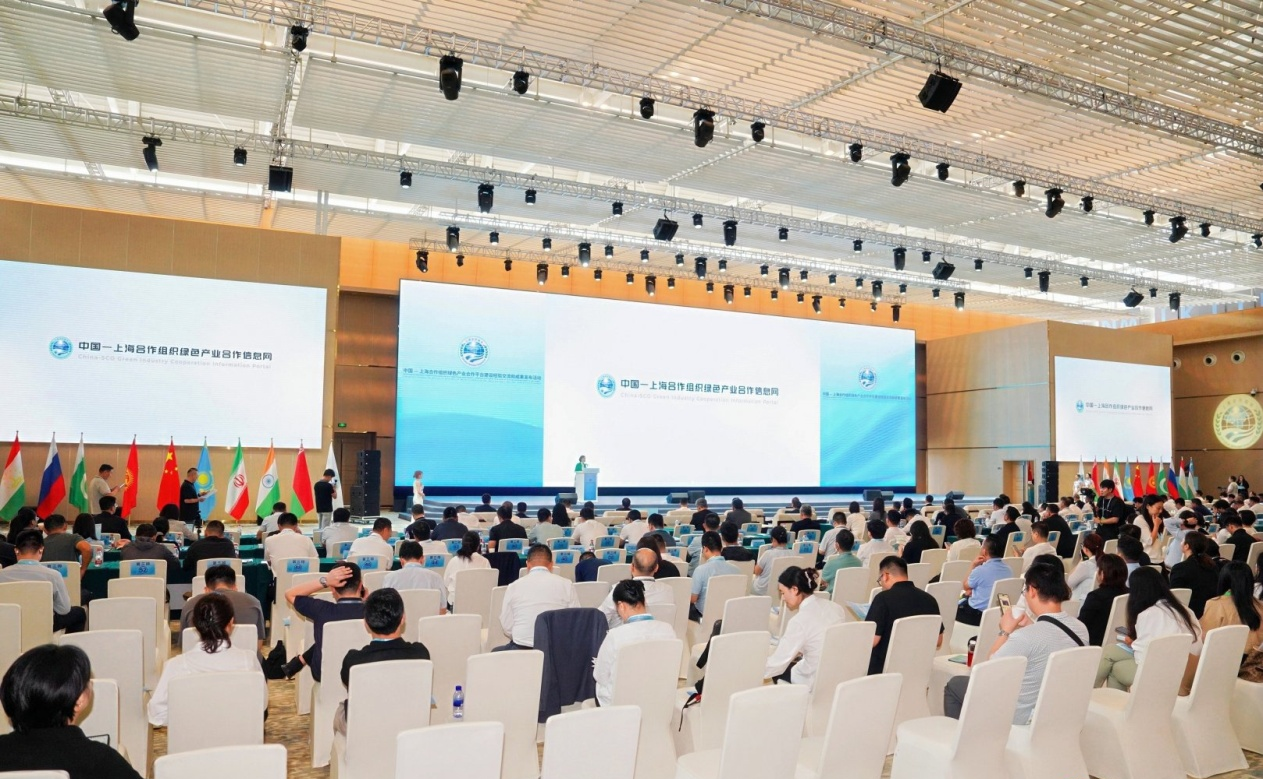
A major event was held to release the outcomes of the China–Shanghai Cooperation Organization Green Industry Cooperation Platform, signing a framework agreement for synergistic development among “two platforms and two centers,” publishing nine country‑specific reports on green industries within SCO member states, officially launching the SCO Green Industry Cooperation Information Network, and concluding on‑site contracts for six key industrial projects totaling over 2.9 billion yuan, turning multilateral cooperation consensus into concrete project results. High‑profile events such as the Zero‑Carbon City Forum, the Middle East Green Infrastructure Forum, and the Indonesia Production Capacity Investment Forum were held in succession, completing critical steps including mechanism framework signings, platform launches, initiative releases, and key project implementations. Experts representing government agencies, international organizations, industry associations, research institutes, and domestic and overseas enterprises engaged in in-depth discussions around timely issues such as supply chain collaborative innovation, green digital transformation, overseas project risk prevention, and corporate high‑quality “going global,” assessing industry trends, dissecting current challenges, and jointly exploring pathways to break through bottlenecks, pooling wisdom and strength for high‑quality industry development.
With a Broad Vision: Serving National Strategies and Empowering Joint Belt and Road Development
This expo stands as a vivid example of China’s efforts to advance high‑level opening-up and construct a new development paradigm, as well as an important industry action to implement the 15th Five-Year Plan, strengthen modern infrastructure systems, and bolster the resilience and security of industrial and supply chains. Rooted in Tianjin, the expo fully leveraged the city’s strategic advantages as a sea‑land nexus of the Belt and Road Initiative and a key hub for SCO industrial cooperation, deeply aligning with the SCO Green Industry Cooperation Platform’s major tasks and exploring a brand‑new industrial paradigm of “green technology + engineering practice + international trade.”
Amid ongoing geopolitical conflicts, rising trade protectionism, and multiple shocks to global supply chains, Chinese engineering enterprises face both vast opportunities and multifaceted risks when expanding overseas. By using the expo as a bridge, the event promoted the global outreach of China’s engineering technologies, high‑end equipment, green solutions, and comprehensive services, helping to deepen and solidify joint Belt and Road initiatives. It also encouraged domestic upstream and downstream enterprises to join forces in going global, moving away from the previous model of individual enterprises venturing overseas alone, thereby enhancing the resilience, risk‑resistance, and global competitiveness of China’s engineering construction industry and supply chain.
This year’s dual‑exhibition innovatively adopted the “green construction integration” concept, placing both low‑carbon technology providers and engineering application demanders on the same platform, allowing the circular economy, new energy, and zero‑carbon technologies to find broad application scenarios in engineering construction, while also providing green and digital transformation support to China’s construction and smart construction industries. Simultaneously, the expo incubated distinctive IPs such as “Zero‑Carbon China,” “National Exhibition Model,” and “Green Construction Vanguard,” offering the industry replicable, referenceable samples of low‑carbon transformation practices. The UNDP Resident Representative in China remarked that the dual‑exhibition brought together government departments, research institutes, enterprises, and partners, forming a highly valuable end‑to‑end platform.
The successful conclusion of this dual‑exhibition exemplifies the effective role of the Ministry of Commerce and Tianjin in co‑building an exhibition platform. The expo coordinated with over 20 national ministries and commissions, nationwide industry associations, and industrial alliances—from booth recruitment and investor outreach, guest invitations, and event planning, to on‑site reception, safety management, and local support—ensuring smooth and orderly operations throughout the entire process. The expo served not only as a concentrated review of industrial achievements but also as an important window for high‑level opening-up, supporting the upgrading of the Beijing‑Tianjin‑Hebei region while paving the way for Chinese enterprises to participate in global green infrastructure development.
The Grand Event Ends, But Cooperation Continues
Though the grand event has concluded, cooperation endures; the exhibition period may be limited, but the opportunities are boundless. Although the expo has come to a close, the platform’s bridging effect continues to unfold. The organizing committee announced that it will conduct a comprehensive review and summary of this edition, continuing to cultivate and consolidate Tianjin’s nationally recognized exhibition brand. In the future, it plans to further gather leading enterprises in the industry chain, enrich exhibition scenarios, strengthen matchmaking effectiveness, amplify the brand advantages of “green construction integration,” and support the coordinated development of the Beijing‑Tianjin‑Hebei region and SCO green industry cooperation, injecting continuous exhibition momentum into China’s comprehensive green transformation and joint Belt and Road development.
Looking ahead, China’s engineering construction industry will remain committed to the course of digitalization, greening, and internationalization, continuously connecting domestic and international markets and resources, leveraging industrial chain synergy to pool overseas expansion efforts, and using green digital innovation to polish the image of Chinese construction. Within the broader narrative of joint Belt and Road development and global sustainable progress, it will write a new chapter unique to China’s engineering industry.
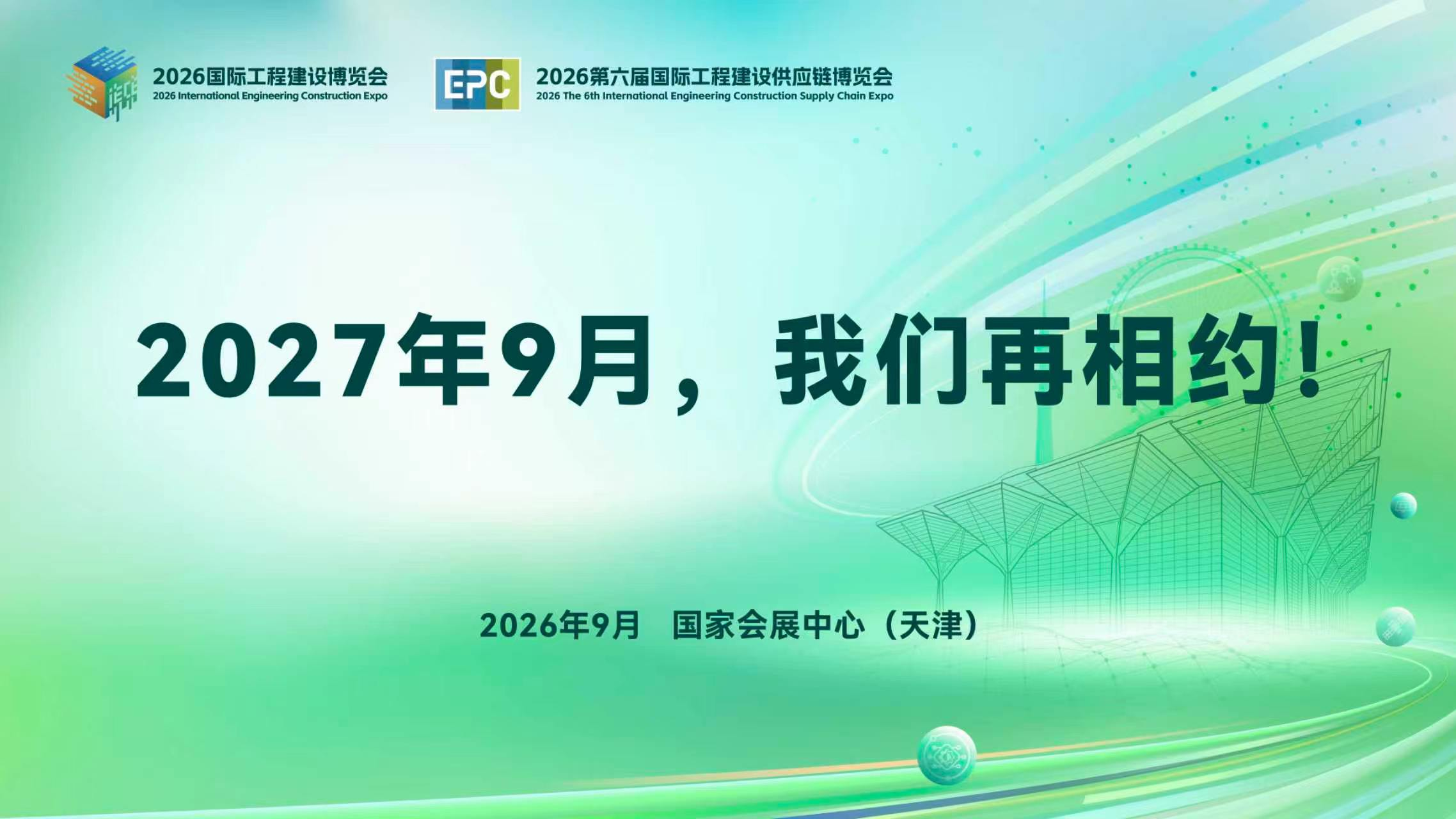
In September 2026, at the National Exhibition and Convention Center (Tianjin), we’ll meet again in Tianjin!
China Light
The official website of the China Association of Lighting Industry and a full-media platform for the lighting sector. We provide authoritative and timely lighting information while striving to be a growth partner for businesses. From brand promotion and channel expansion to consulting, talent training and participation in standards development, we provide comprehensive professional services to help businesses improve quality and efficiency and jointly advance the high-quality development of the lighting industry.
Business Contacts
仇纯 (Ms.): 158 6155 3579
顾君 (Mr.): 137 7157 5253